
 Miscellaneous
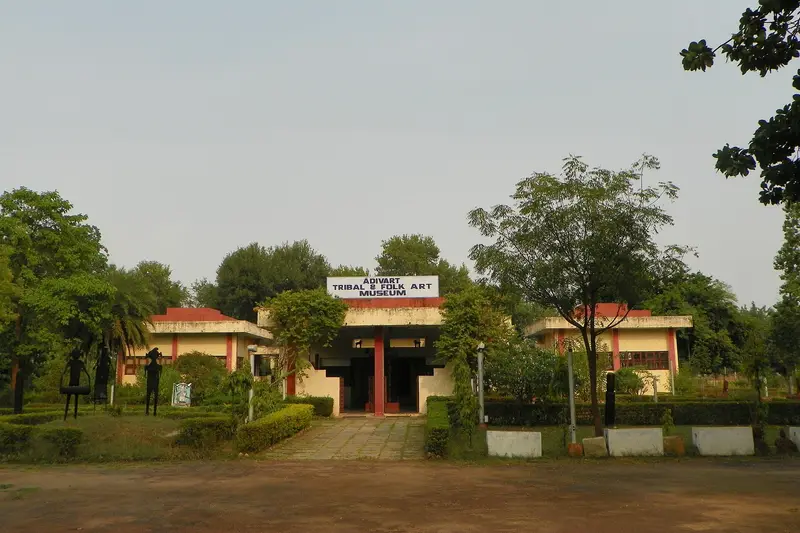
Museum of Folk and Tribal Art
Gurugram museum of folk and tribal art, from Warli painting to Bastar terracotta
Gurugram
Sign in to save places and plan trips, day by day.
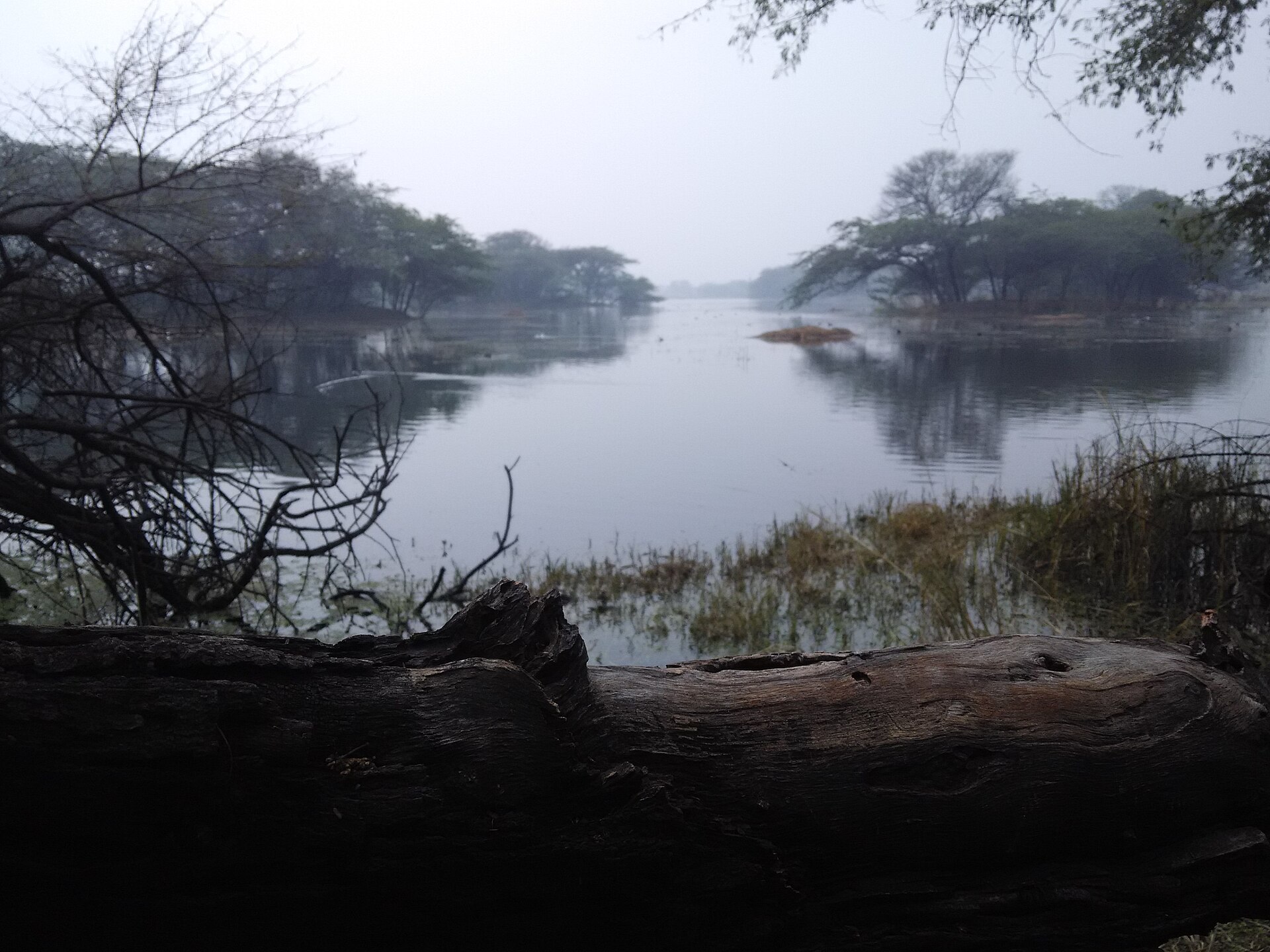
Najafgarh Lake, also called Najafgarh Jheel or Najafgarh Marsh, is fed by the Sahibi River, a tributary of the Yamuna, and takes its name from the nearby town of Najafgarh in south-west Delhi. In many years it once filled a basin of more than 300 square kilometres, a rich wetland where British officers came in large parties to shoot waterfowl, and it was one of the last refuges of the Siberian crane. From the 1960s the Najafgarh drain was widened to empty it, and farmland and later housing such as Dwarka, Vikaspuri and Uttam Nagar now cover much of the old bed.
What is left of the lake, together with the Najafgarh drain bird sanctuary and neighbouring fields, still forms a wetland used by demoiselle, common and sarus cranes, as well as nilgai, jackals, foxes and monitor lizards. It was formally recognised as a water body in 2017 only after a National Green Tribunal ruling, and researchers have put it forward as a wetland of international importance.
Unmapia
Coming soon
We’re still writing about Najafgarh Lake: its history, what’s there and why it’s worth the trip.
Where it is
28.50° N 76.94° E