 Miscellaneous
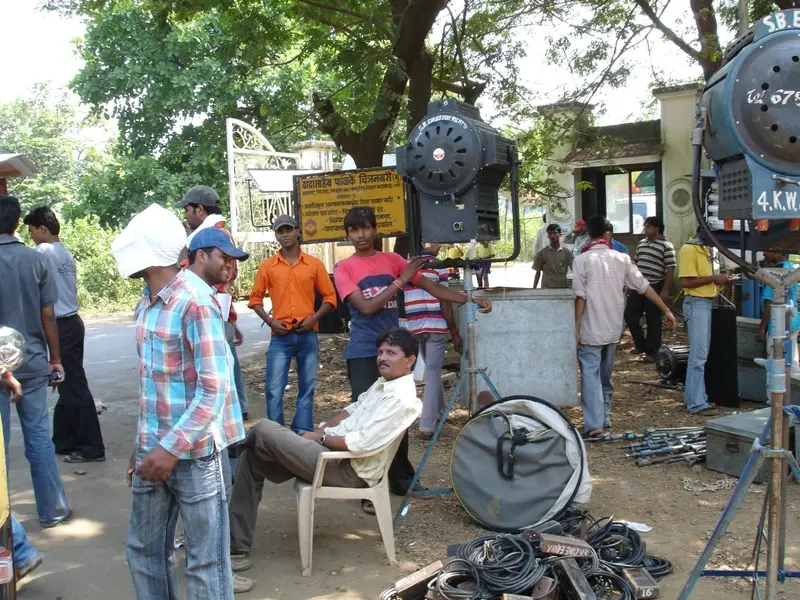
Film City, Mumbai
State-run film studio complex of some 520 acres beside Sanjay Gandhi National Park
Mumbai Suburban
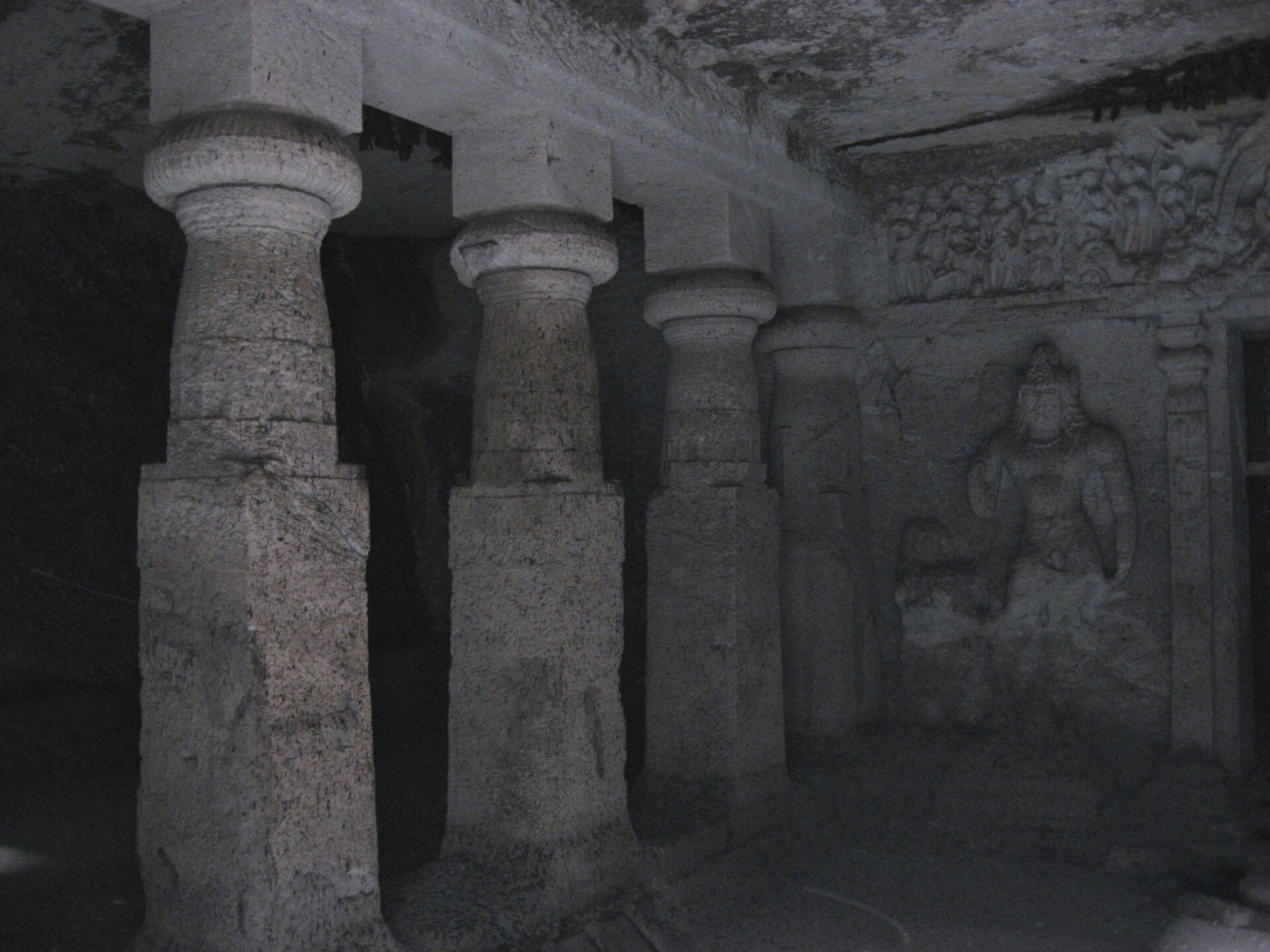
Photo: Himanshu Sarpotdar · CC BY 2.0 · Wikimedia Commons
Sign in to save places and plan trips, day by day.
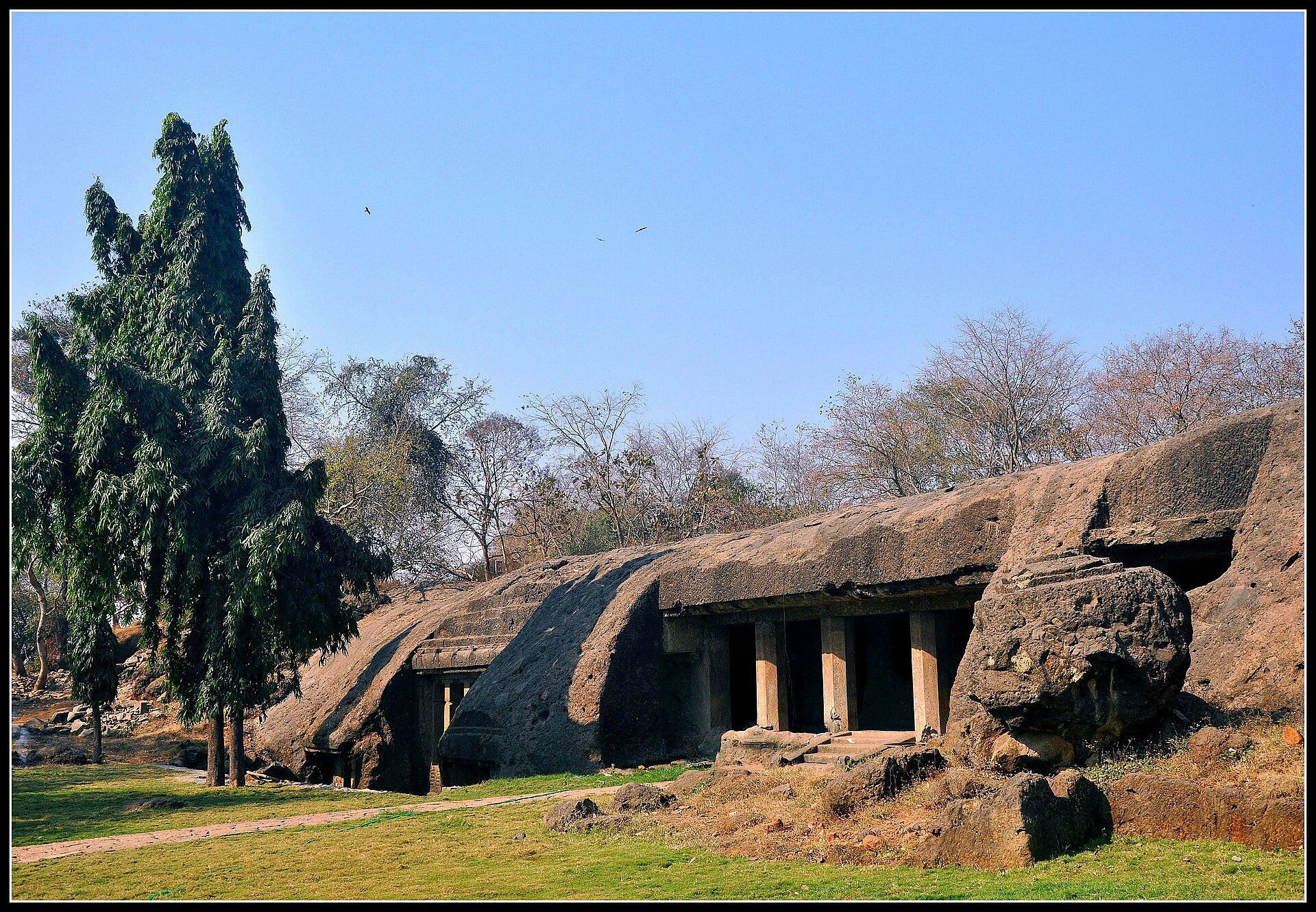
The Jogeshwari caves, in the Mumbai suburb of the same name off the Western Express Highway, are among the earliest Hindu cave temples, dating to the 6th century. The historian Walter Spink described Jogeshwari as India's first major cave temple and, measured by total length, its largest. They are also the earliest Pashupata caves in Mumbai, and today they are hemmed in by encroachments.
A long flight of steps leads down into the main hall, a pillared space with a linga at the far end. Images of Dattatreya, Hanuman and Ganesha line the walls, two doorkeepers survive, and the goddess Jogeshwari, after whom the area is named, has an image and footprints here; some Marathi and Gujarati families worship her as their family goddess. Six carved panels show Shaiva stories, among them Shiva's marriage to Parvati, the dice game, Nataraja and Lakulisha.
Unmapia
Coming soon
We’re still writing about Jogeshwari Caves: its history, what’s there and why it’s worth the trip.
Where it is
19.14° N 72.86° E