
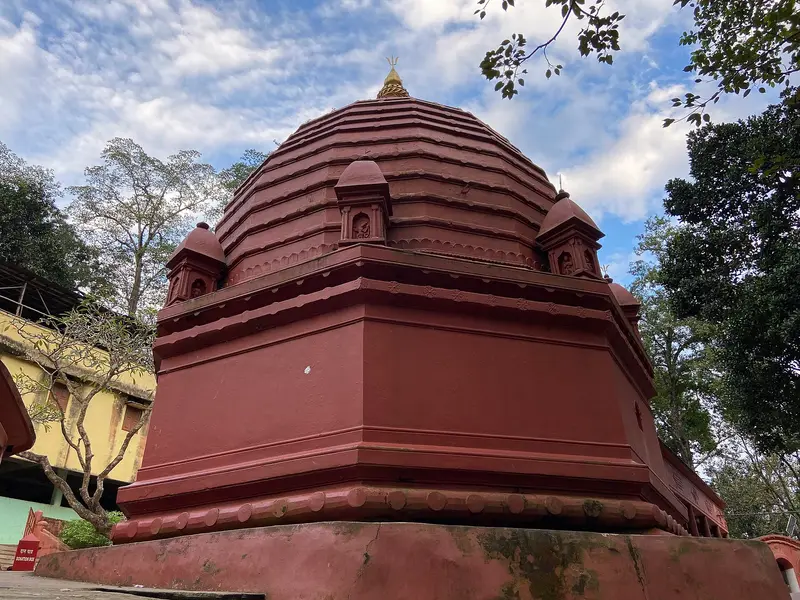
 Historical Place
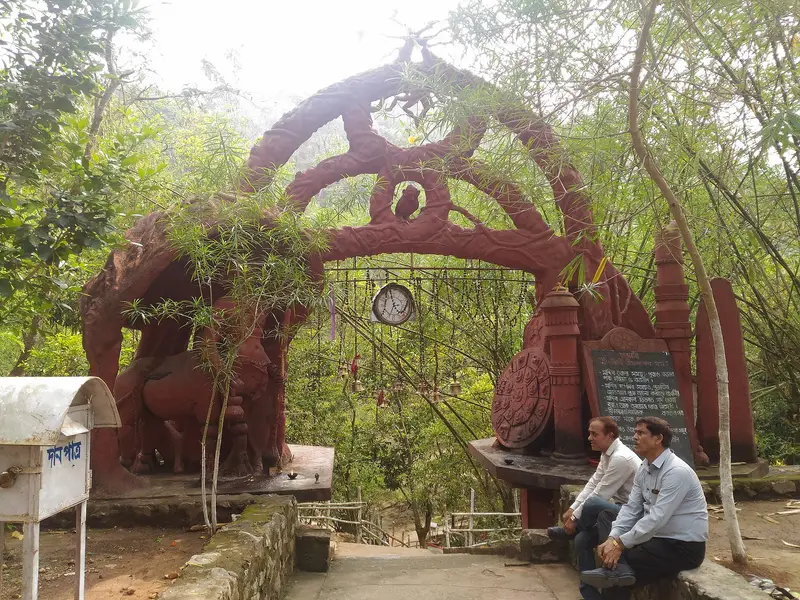
Basistha Temple and forest walk
A temple and stream offer a green pause from city life.
Offbeat · Kamrup Metropolitan
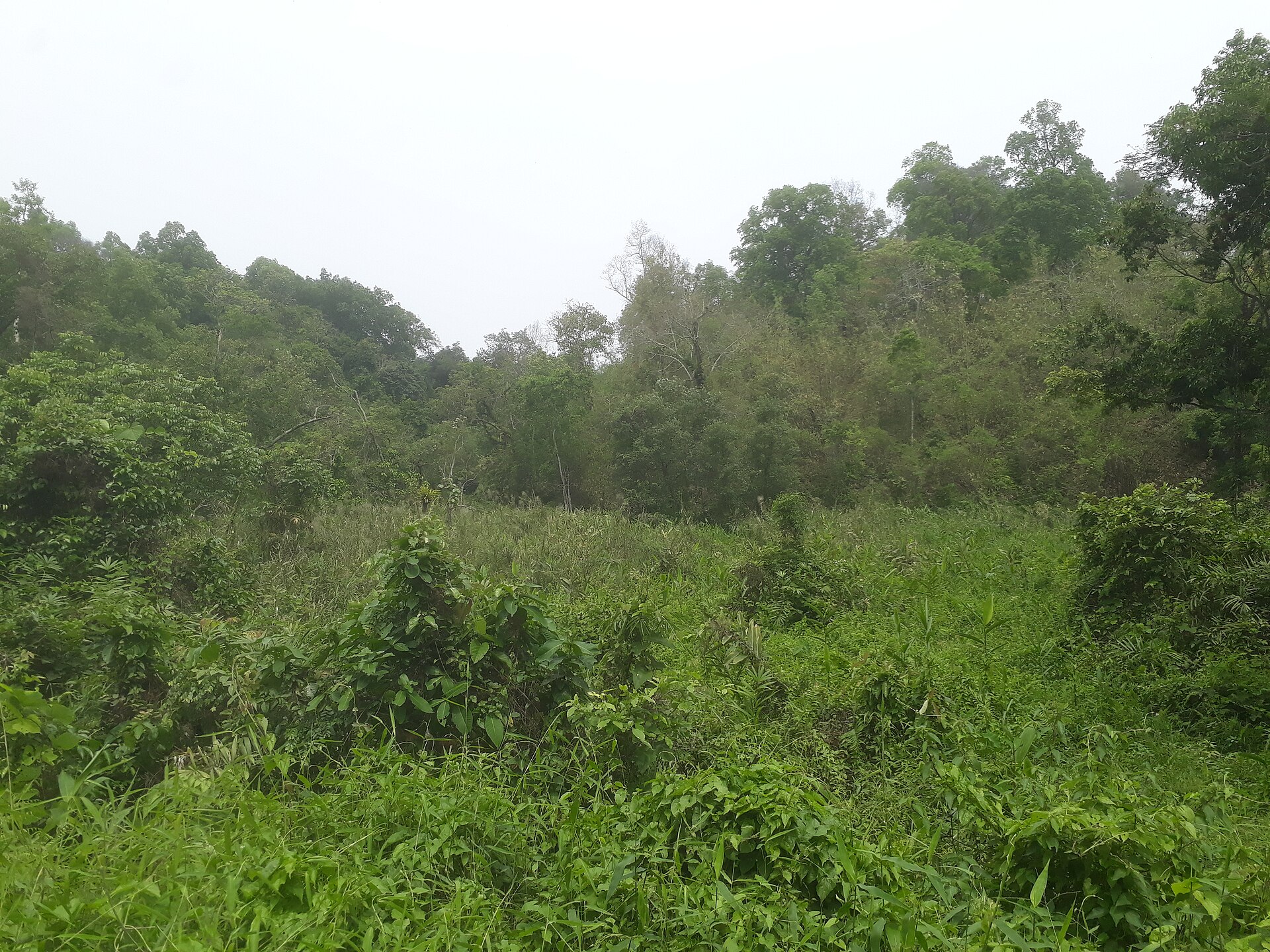
Photo: Dr. Jaydev Mandal · CC0 · Wikimedia Commons
Sign in to save places and plan trips, day by day.
Garbhanga Wildlife Sanctuary, formerly the Garbhanga and Rani Reserve Forest, covers 117 sq km on the south-western side of Guwahati, about 15 km from the city, and borders Meghalaya. Lying between the Garbhanga and Rani ranges and close to Deepor Beel, it is the city's key urban wildlife area and an important catchment for Guwahati. Its boundary follows the Basistha river on the east and reaches the Bhimeswar Dham Shiva temple in the north-east corner.
Surveys have documented 139 tree species, 11 orchids and five kinds of bamboo and rattan, along with 36 mammal, 219 bird, 38 reptile, 15 amphibian and 168 butterfly species. Sightings of rare animals including serow, bison and clouded leopard have been reported here. Encroachment, garbage dumping and deforestation are its main threats. The origin of the name is unclear, though some link it to Karbi people who came into these forested hills for jhum cultivation.
Unmapia
Coming soon
We’re still writing about Garbhanga Wildlife Sanctuary: its history, what’s there and why it’s worth the trip.
Where it is
26.09° N 91.75° E