
On the ground
- Access
- Nearest airport: Indira Gandhi International Airport (DEL), Delhi.; Nearest railway station: Gurgaon Railway Station (GGN).
Photo: Pinakpani · CC BY 4.0 · Wikimedia Commons
Sign in to save places and plan trips, day by day.
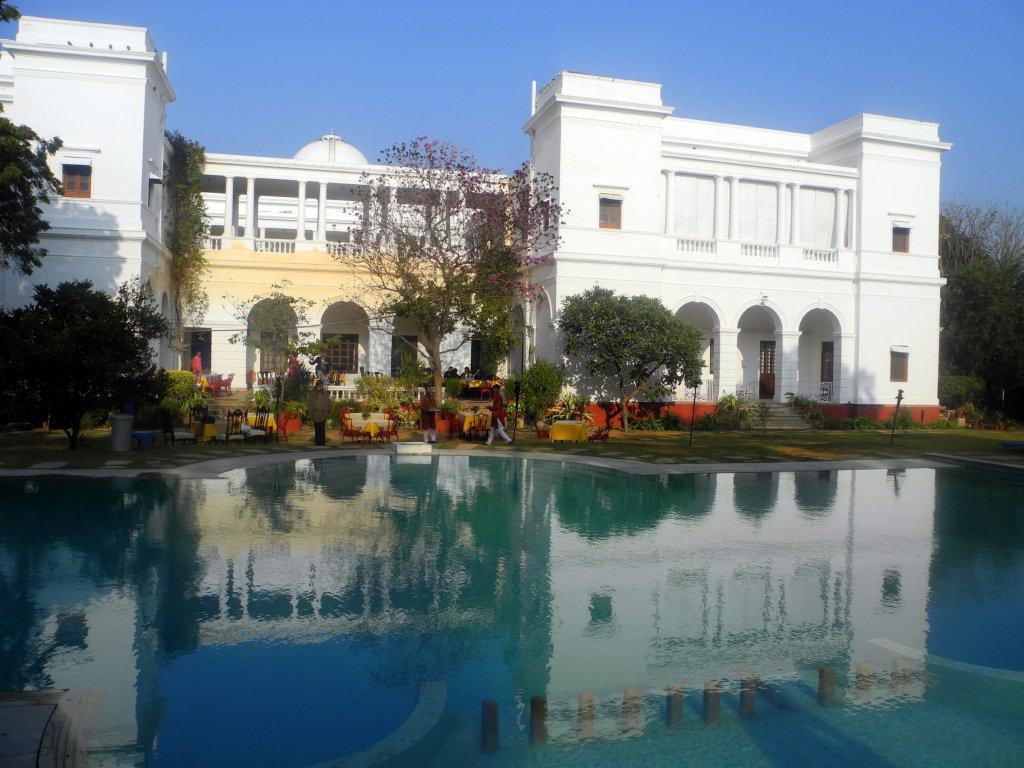
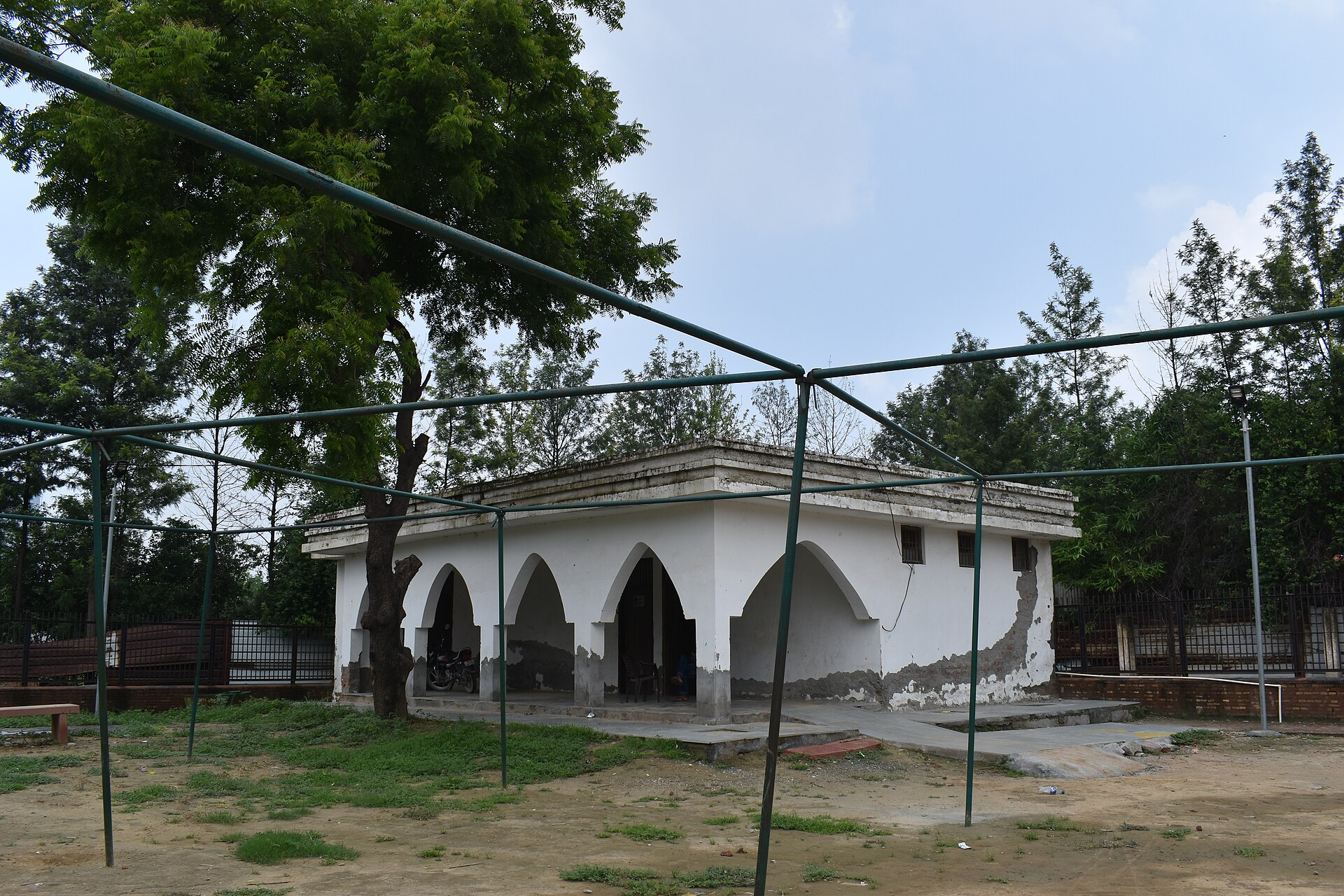
Begum Samru, born Farzana Zeb un-Nissa, held the jagir of the Jharsa-Badshahpur pargana until she died in 1836. In the early 19th century she had this palace built between Jharsa and the village of Gurgaon, both as her home and as a statement of her standing. About 200 years old and still in good condition, it stayed in use after her estate was annexed, serving as the Deputy Commissioner's residence or camp office.
The building follows a European style, with arches, balconies and carved decorative motifs outside. Its best-known room is the Durbar Hall, where she received guests and held banquets; its high ceilings carry frescoes and paintings of scenes from Indian mythology. Conservation projects have since worked to keep the palace from falling into neglect.
Unmapia
Coming soon
We’re still writing about Begum Samru Palace: its history, what’s there and why it’s worth the trip.
Where it is
No map pin yet: directions search for the name