
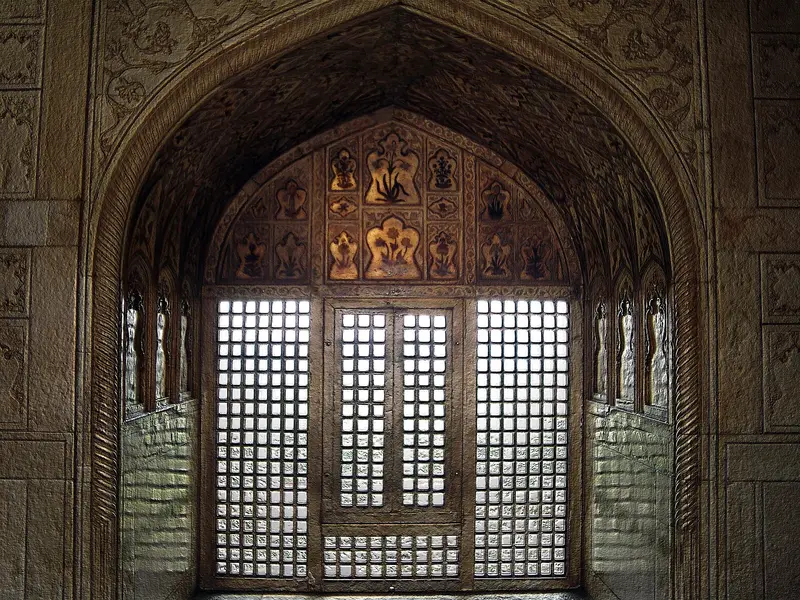
 Historical Place
Shish Mahal, Gurugram
Palace in Gurugram known for its mirror work and glass mosaic interiors
Gurugram
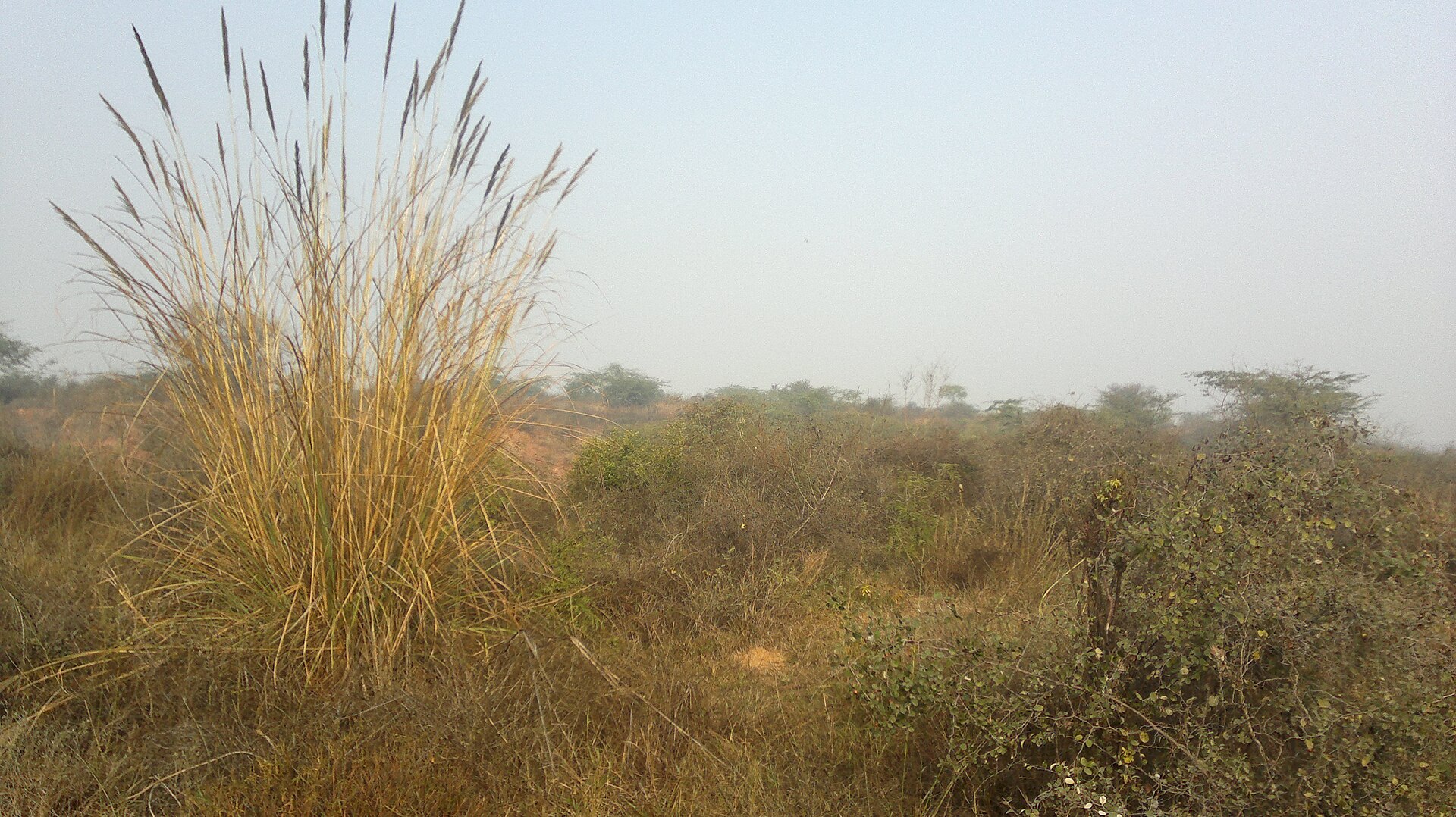
Photo: T. R. Shankar Raman · CC BY-SA 3.0 · Wikimedia Commons
Sign in to save places and plan trips, day by day.
Aravali Biodiversity Park covers 392 acres near Guru Dronacharya metro station in Gurugram. In the 1980s and 1990s the site was dotted with mining pits and stone crushers, which left bare slopes, a deep water table and thin soil overrun by the invasive vilayati keekar (Prosopis juliflora). Mining stopped after a Supreme Court ban, and from 2010 the citizens' group iamgurgaon, working with restoration specialist Vijay Dhasmana, removed the invasive trees and replanted native Aravalli species grown from seed gathered at Mangar, Nahargarh and Kumbhalgarh.
The park opened on World Environment Day, 5 June 2010, and in 2022 became India's first OECM site, an IUCN label for unprotected areas that support rich biodiversity. It now holds more than 300 native plant species, grasslands and a seasonal pond by an old quarry, with trails, a native plant nursery and displays at the entrance. Over 185 bird species have been recorded, and nilgai, golden jackals, Indian hares, palm civets, grey mongooses and Bengal monitors live here.
Unmapia
Coming soon
We’re still writing about Aravali Biodiversity Park, Gurugram: its history, what’s there and why it’s worth the trip.
Where it is
28.48° N 77.11° E