
 Historical Place
Mehrauli Archaeological Park
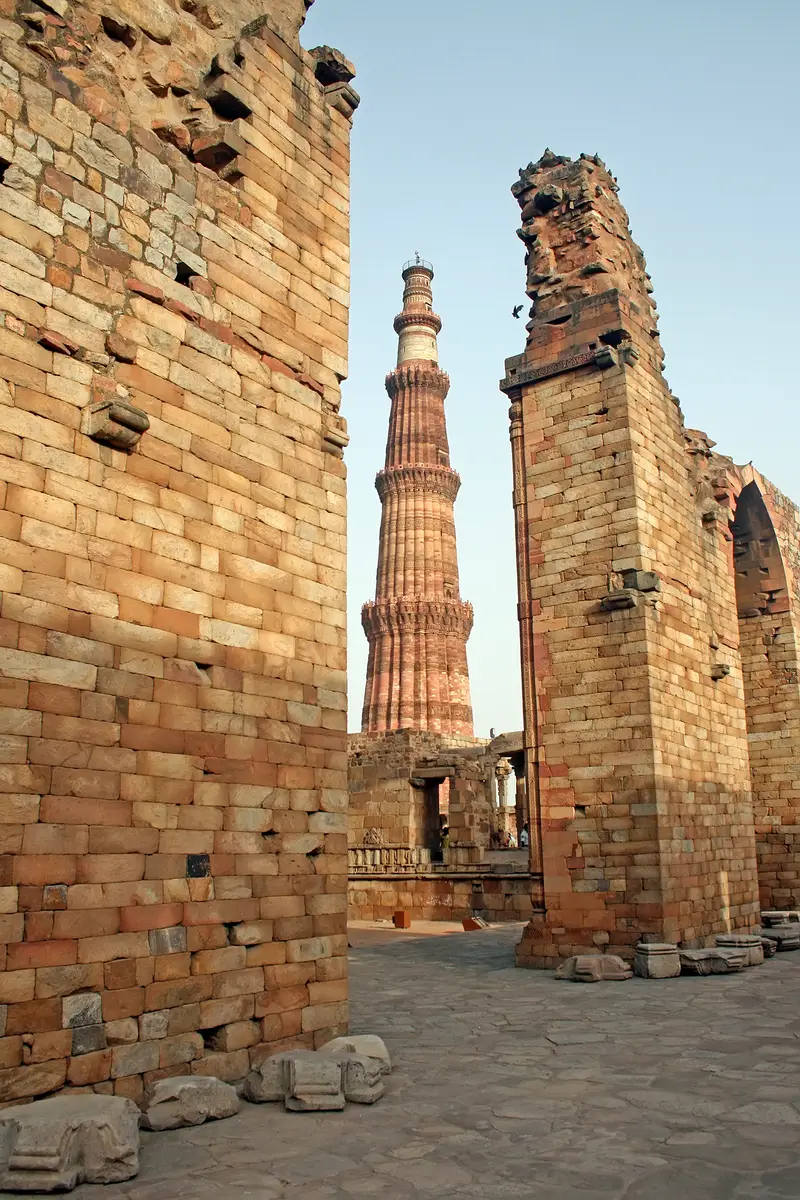
Over 50 monuments from a thousand years of Delhi's rulers, beside the Qutub Minar
South Delhi
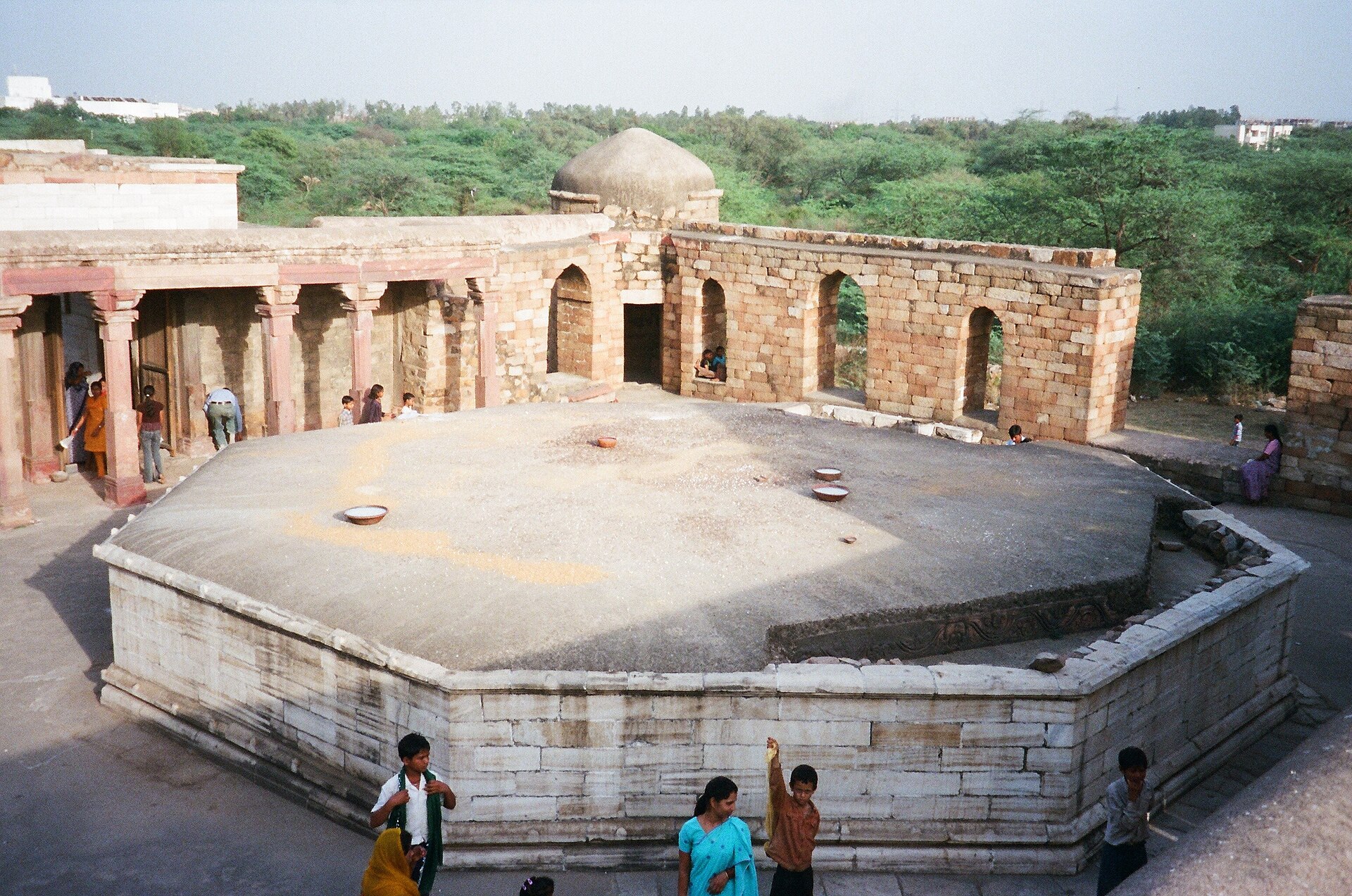
Photo: Nvvchar · CC BY-SA 3.0 · Wikimedia Commons
Sign in to save places and plan trips, day by day.
Sultan Ghari is the tomb Iltutmish built in the early 1230s for his eldest son, Prince Nasiruddin Mahmud, who had defeated Iwaz Khalji and governed from Lakhnauti. It lies in the Nangal Dewat forest near Vasant Kunj in Delhi and is described as the first Islamic tomb in the city's funerary landscape. Two more of his sons lie in chhatris beside it.
The tomb looks like a small fortress: a walled enclosure with corner towers on a raised rubble plinth. Within it, steep steps lead down into the ghari, or cave, an octagonal underground crypt under a thick lime-concrete roof carried on pillars that reuse temple fragments. The marble mihrab on the western qibla wall bears Quranic inscriptions, and its facade dates from Firoz Shah Tughlaq, who repaired the damaged tomb. The site is said to stand on a Pratihara-era Hindu temple, and the ruins of a Tughlaq mosque and khanqah lie to the south.
Unmapia
Coming soon
We’re still writing about Sultan Ghari: its history, what’s there and why it’s worth the trip.
Where it is
28.53° N 77.14° E