
 Historical Place
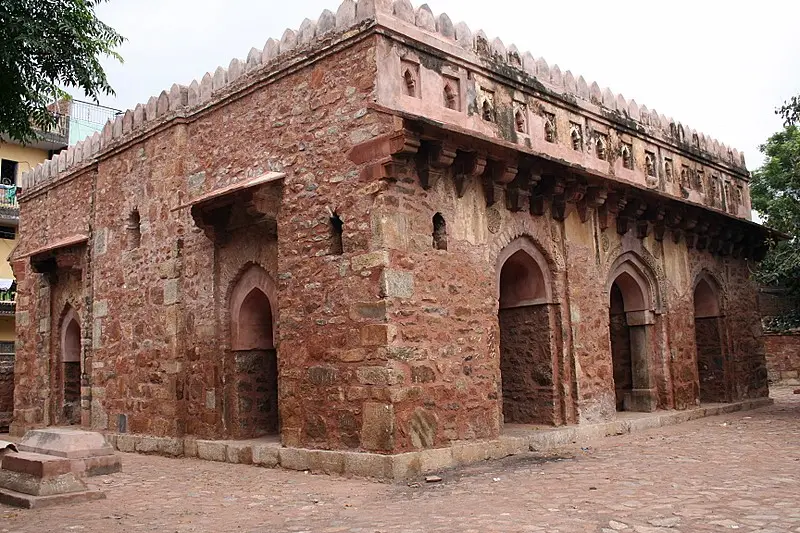
Tomb of Bahlul Lodi
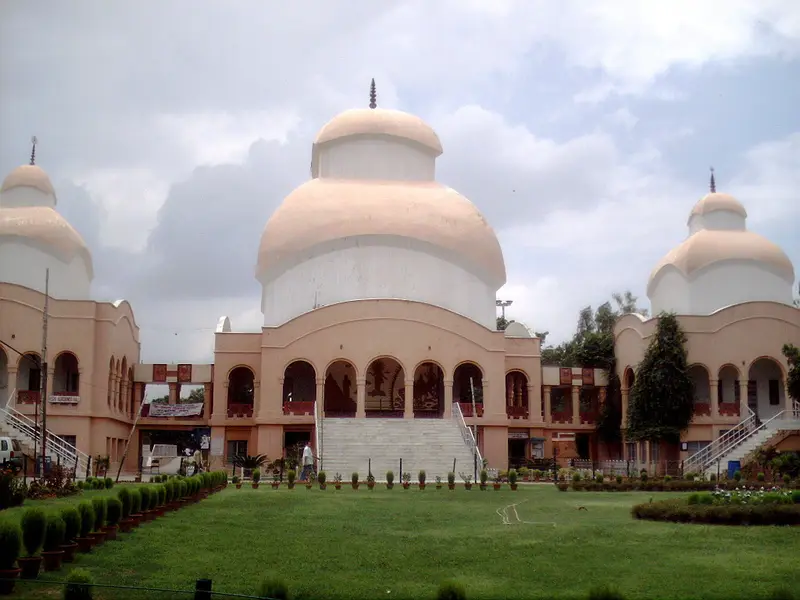
Five-domed tomb in the lanes of Chirag Delhi said to hold the founder of the Lodi dynasty
South Delhi
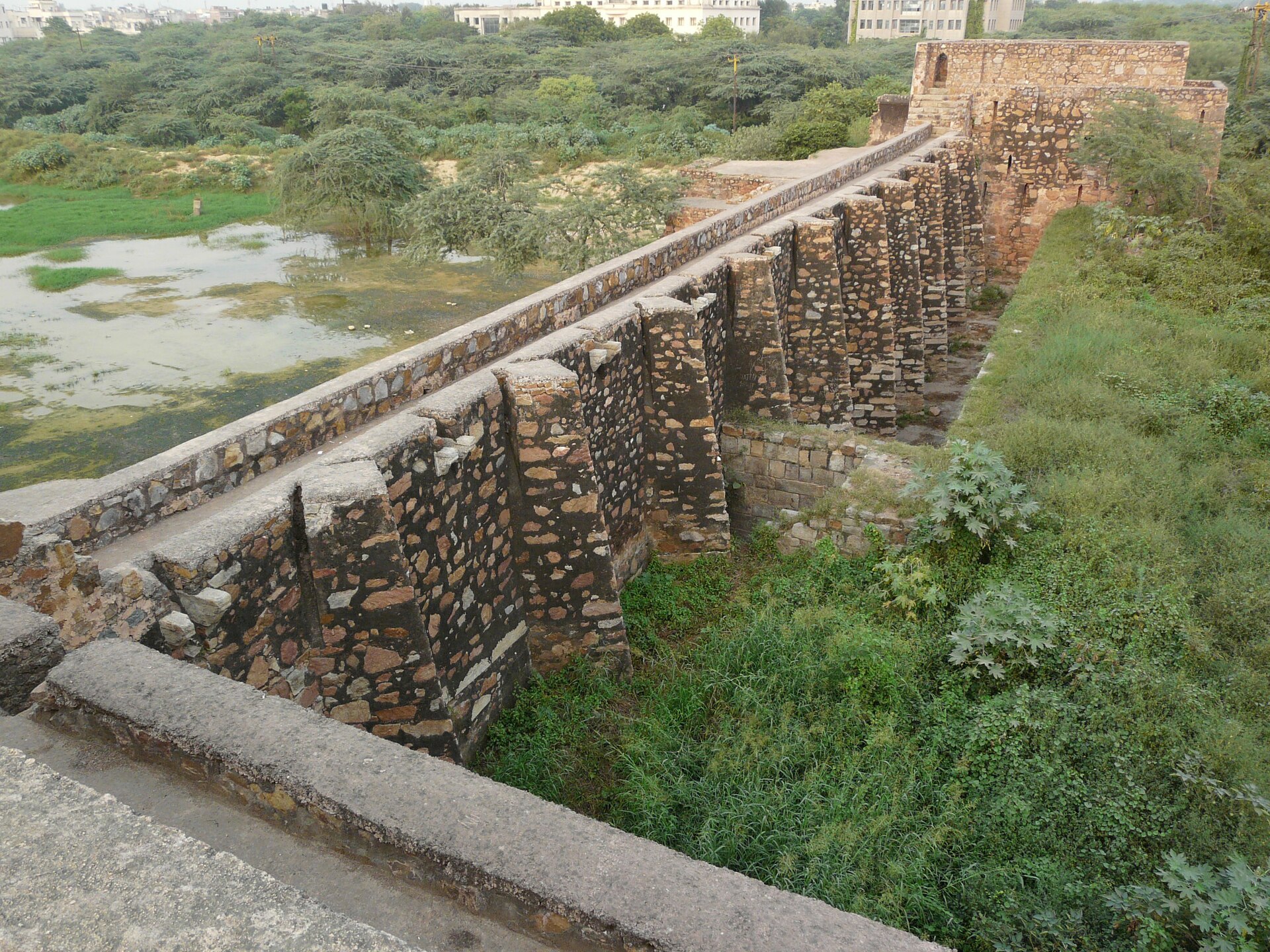
Photo: Varun Shiv Kapur · CC BY 2.0 · Wikimedia Commons
Sign in to save places and plan trips, day by day.
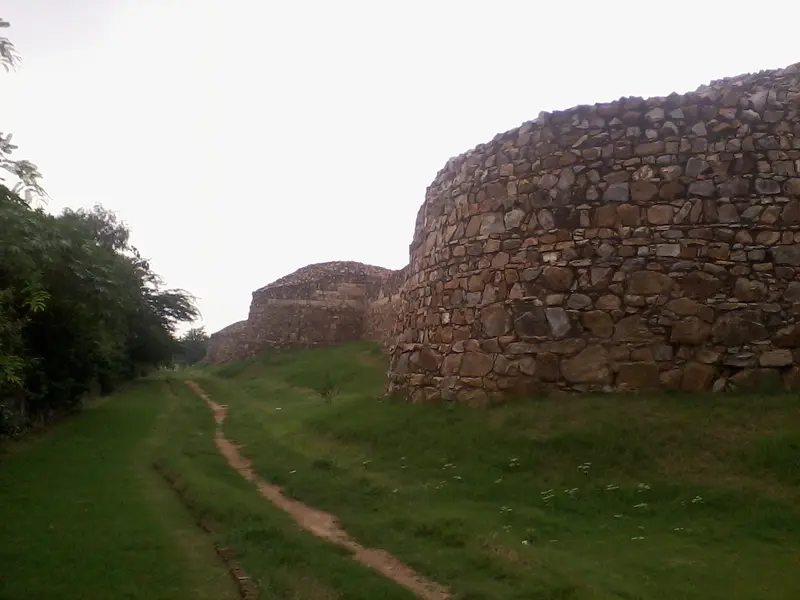
Satpula, meaning seven bridges, is a 14th-century weir in south Delhi, about 800 m east of the Khirki Masjid. It forms part of the southern wall of Jahanpanah, the fourth city of Delhi, and is credited to Muhammad bin Tughluq (1325–1351). It was built to hold back water from the Barapulla Nallah for irrigation during years of drought and famine, and also to strengthen the city's defences; the sluices could be shut against attackers in the dry season. One study suggests a date around 1343.
The stone masonry structure is 79.5 m long, with eleven sluice bays: seven main ones at the lowest level and two higher ones at each end. Wooden gates once slid in grooves that can still be seen. Towers with octagonal chambers on both banks once served as a madrasa, which gives the weir its other name, Madarsa. Since the ASI's restoration, visitors can walk along the broad parapet and take in the whole structure.
Unmapia
Coming soon
We’re still writing about Satpula: its history, what’s there and why it’s worth the trip.
Where it is
28.53° N 77.22° E