
 Historical Place
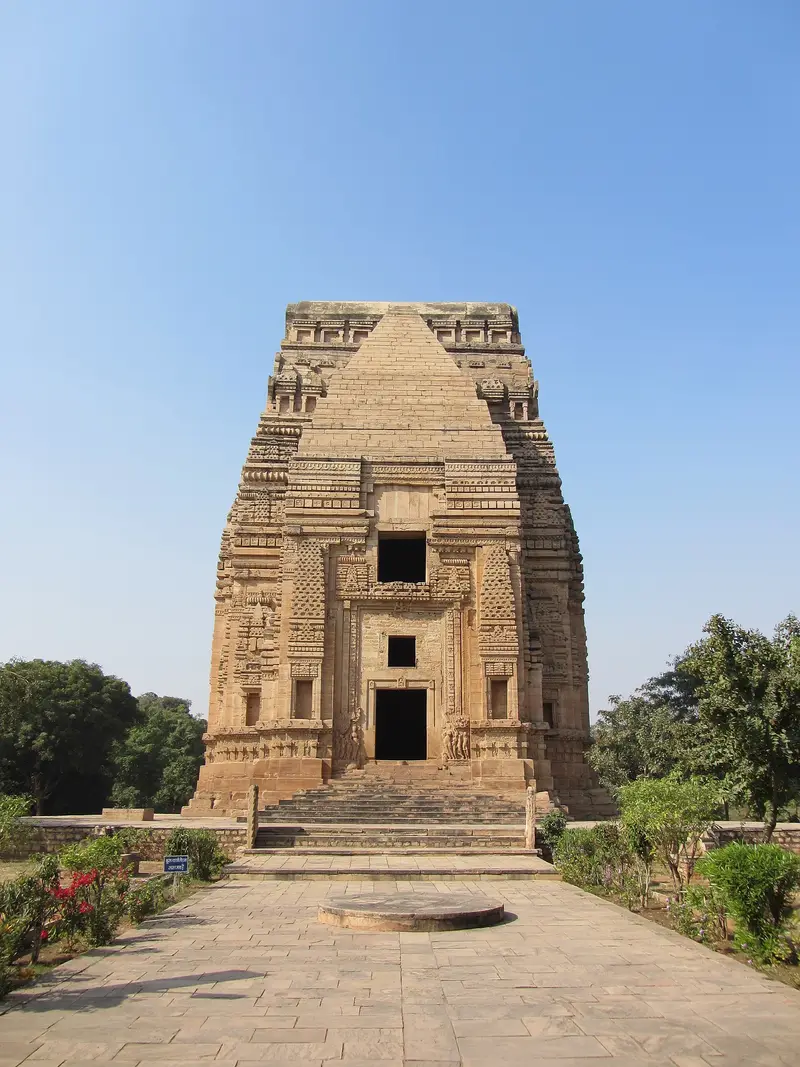
Teli ka Mandir
Towering 8th-9th century temple inside Gwalior Fort, unusual for its rectangular sanctum
Gwalior
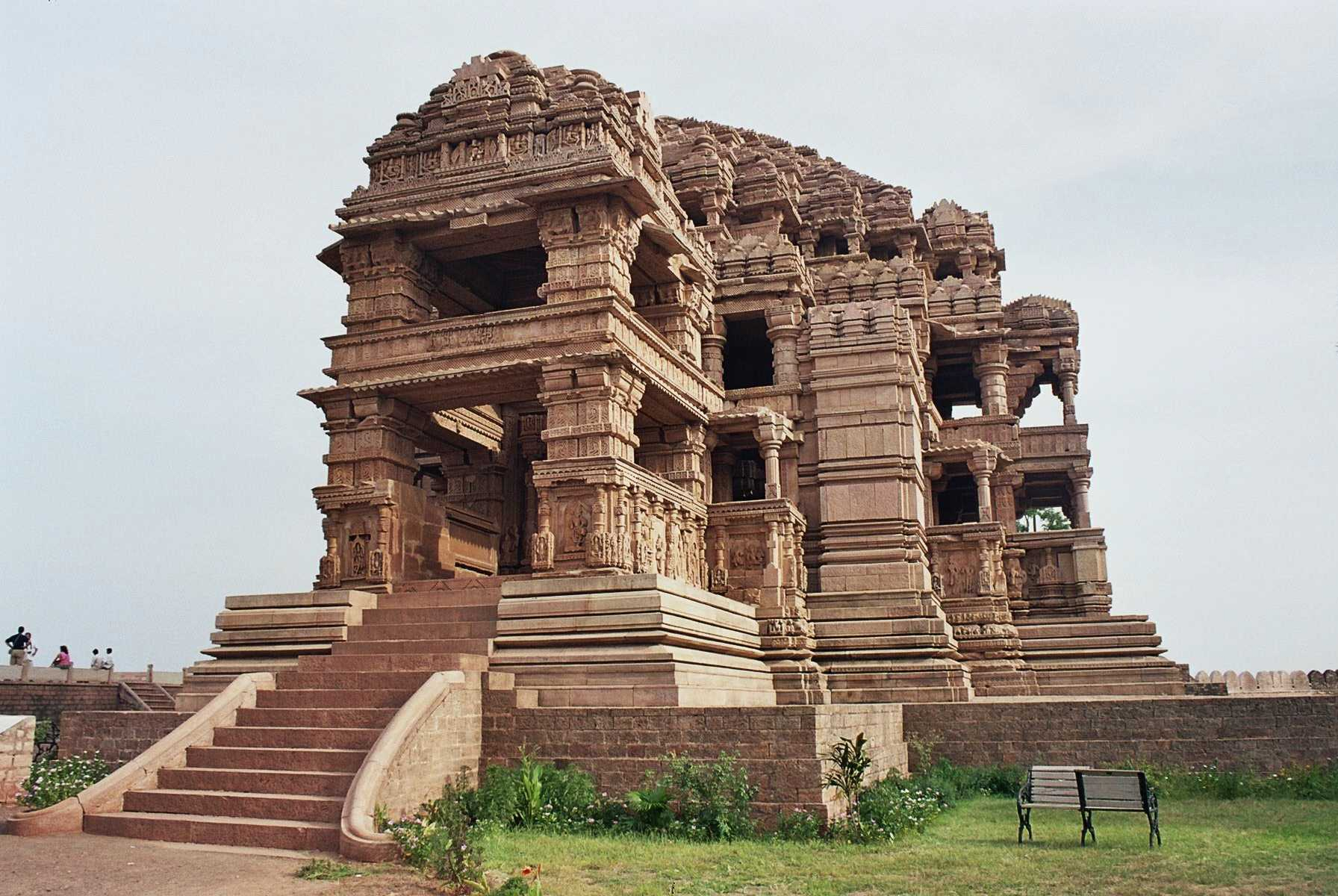
Photo: No machine-readable author provided. Airunp assumed (based on copyright claims) · CC BY-SA 2.5 · Wikimedia Commons
Sign in to save places and plan trips, day by day.
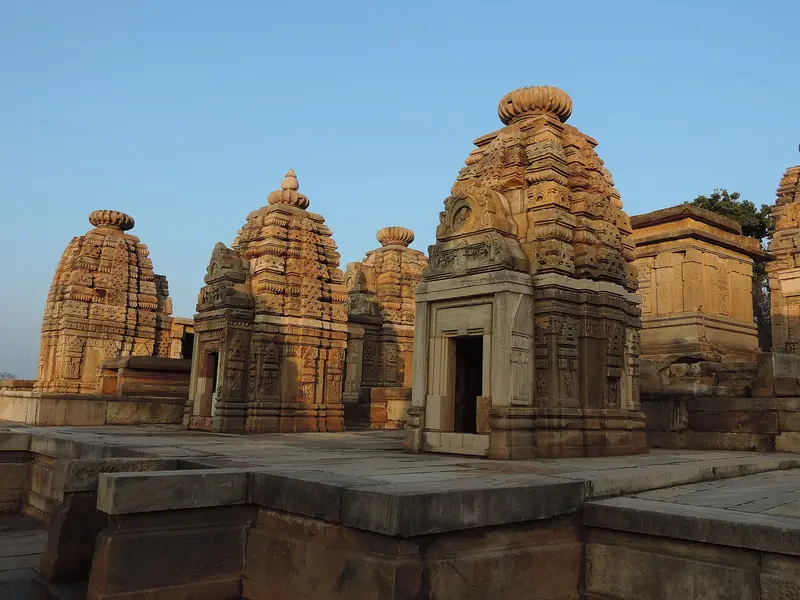
The Sas-Bahu temples are a pair of 11th-century Hindu temples inside Gwalior Fort. An inscription in the larger one, read by Alexander Cunningham, records that King Mahipala of the Kachchhapaghata dynasty built them between 1090 and 1093: the larger, the Sas or mother-in-law temple, for his Vaishnava wife, and the smaller Bahu, or daughter-in-law, temple for a devotee of Shiva. The Sas temple is dedicated to Aniruddha, grandson of Krishna, and the Bahu to Shiva. Like many temples of the region, both suffered heavily in wars and invasions.
The Sas temple's tower and sanctum are gone, but its porch and three-storeyed hall survive on a platform 100 feet by 63, entered from three sides. Walls, pillars and lintels are densely carved, though much defaced, with Vaishnava, Shaiva and Shakta themes; Krishna-leela friezes line the inner lintels, with Garuda above. Scholars suggest the lost tower was in the Bhumija style. The Bahu temple survives only as a shell with an ornate door frame and worn reliefs.
Unmapia
Coming soon
We’re still writing about Sas-Bahu Temples, Gwalior: its history, what’s there and why it’s worth the trip.
Where it is
26.22° N 78.17° E