
 Spiritual Place
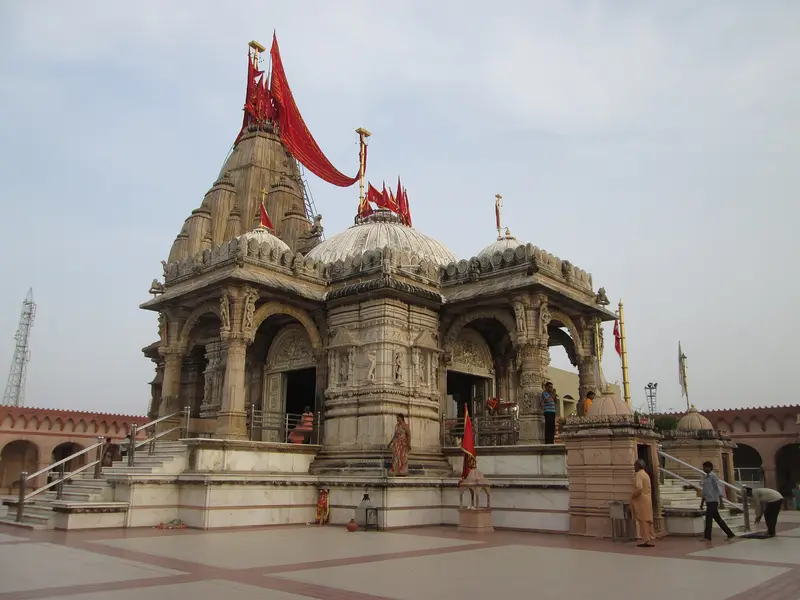
Panchasara Parshwanath Jain Derasar
Patan's revered Jain shrine to Parshwanath, rebuilt in stone after a wooden original
Patan
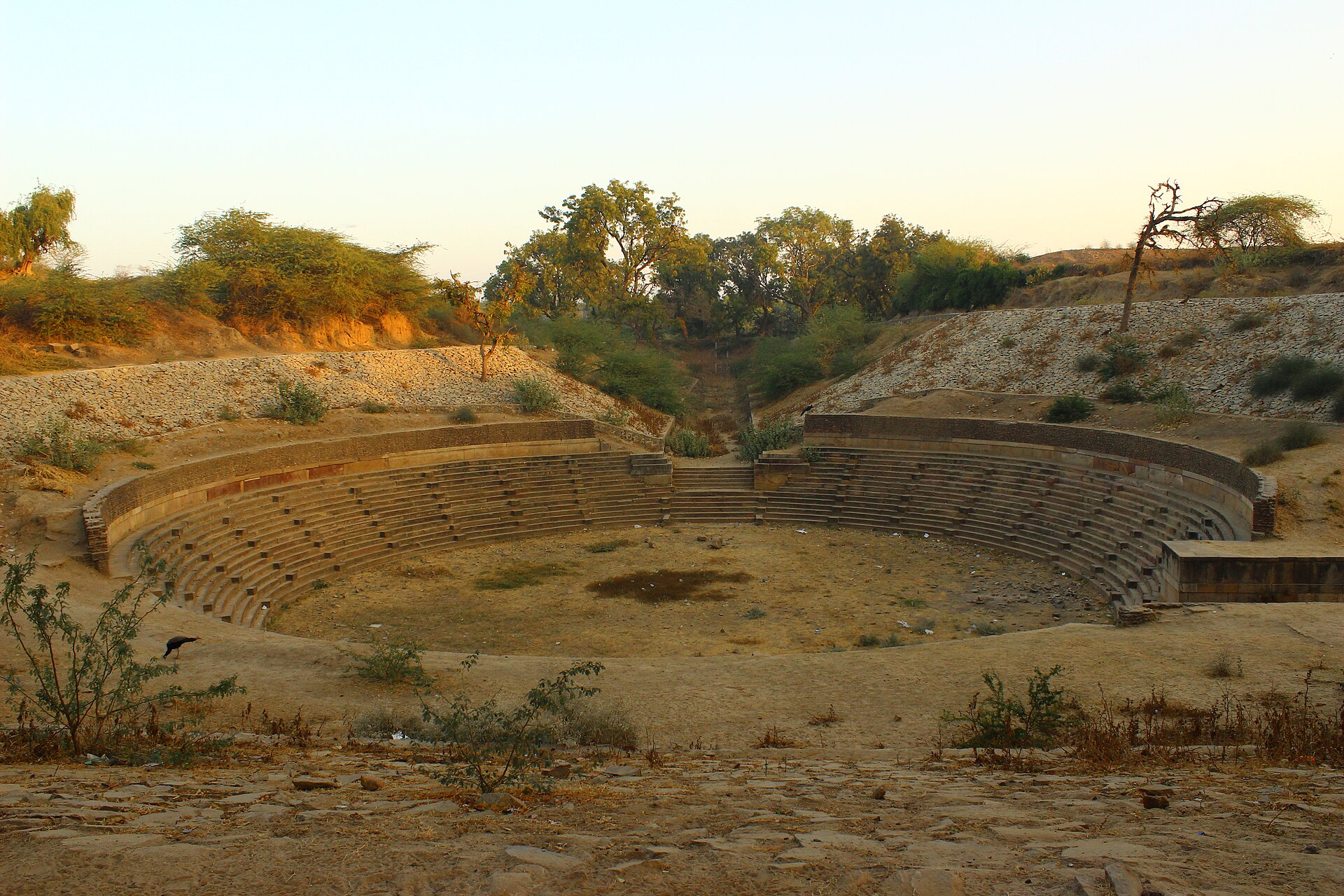
Photo: Snehrashmi · CC BY-SA 4.0 · Wikimedia Commons
Sign in to save places and plan trips, day by day.
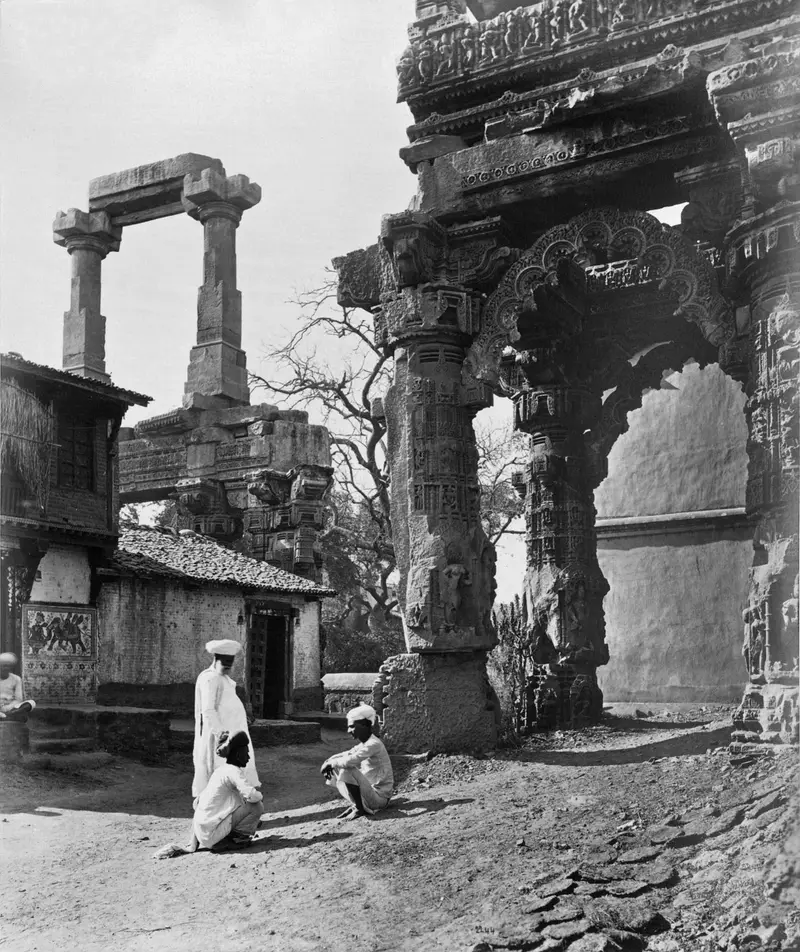
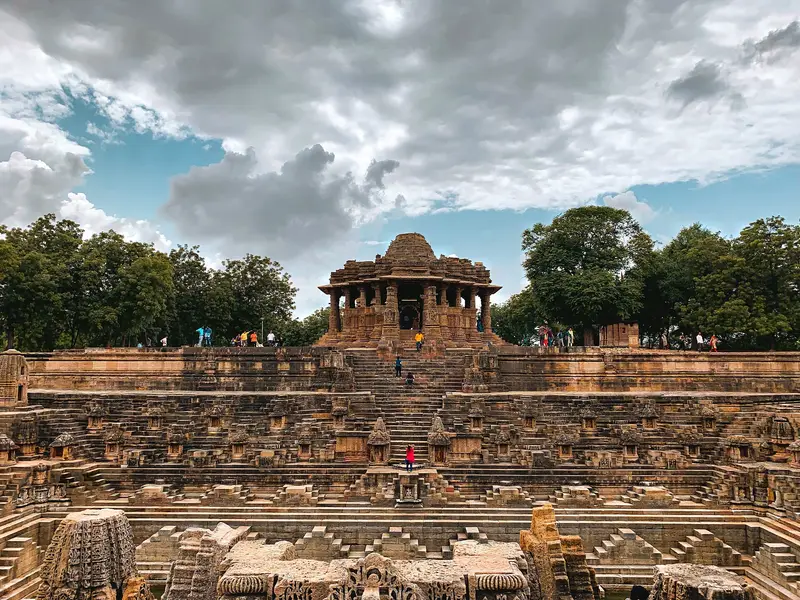
Sahasralinga Tank, or Sahasralinga Talav, at Patan in Gujarat, is a now-defunct medieval reservoir built under the Chaulukya (Solanki) dynasty, now an ASI-protected Monument of National Importance. In the early 12th century King Jayasimha Siddharaja enlarged the earlier Durlabh Sarovar here and surrounded it with temples, kunds, ghats, a palace, schools and rest houses.
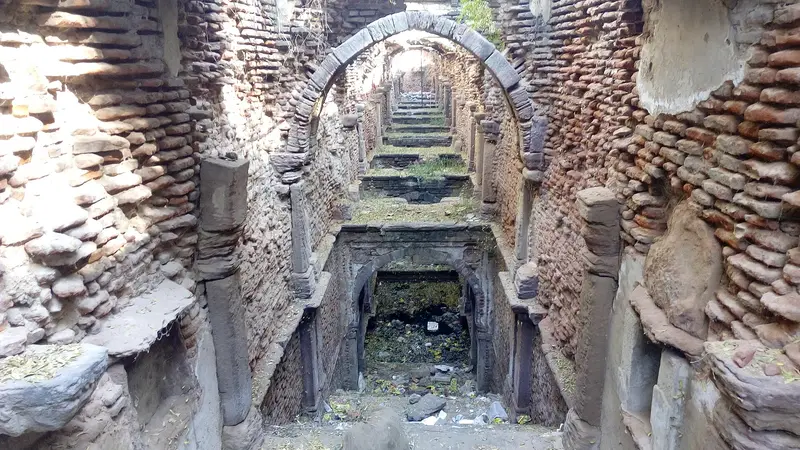
The rectangular tank was among the largest of its kind, enclosed by a brick embankment faced with stone steps down to the water. A canal brought water from the Saraswati river through a basin, the Rudra-Kupa, and then by three channels, called Triveni. Its name comes from the many small shrines on its banks holding more than 1,000 Shiva lingas brought from Amarkantak. Most temples were later destroyed or turned into mosques, and an octagonal rauza was built on part of the ruins. Midway along the eastern embankment, what is left of a Shiva temple includes a 48-pillar colonnade, and at the western end is a cistern about 40 m across.
Unmapia
Coming soon
We’re still writing about Sahasralinga Tank: its history, what’s there and why it’s worth the trip.
Where it is
23.86° N 72.10° E