
When to go
- Time of day
- Open 10:00 AM – 5:30 PM
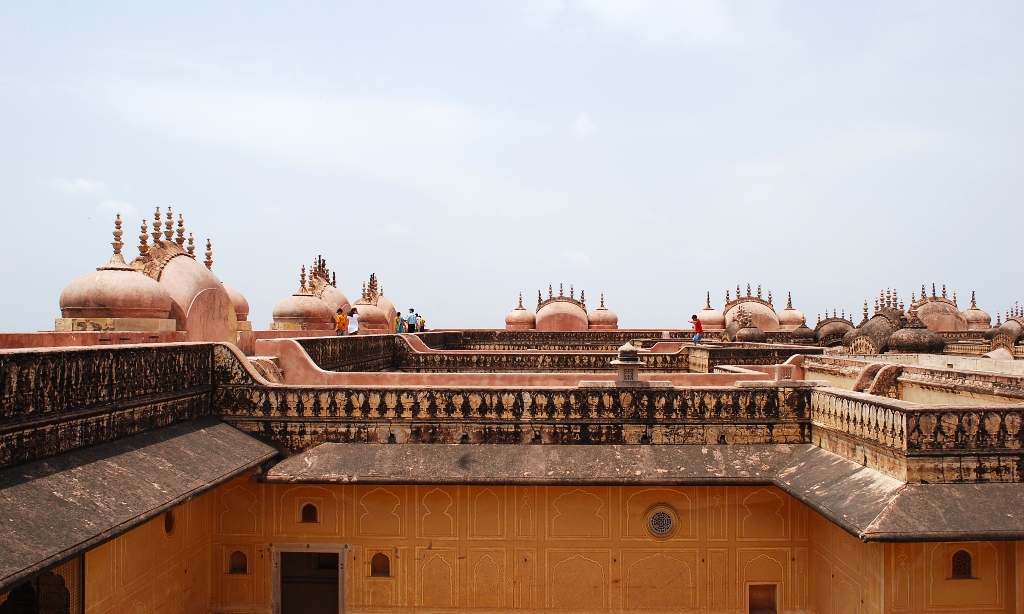
Photo: Sanyam Bahga · CC BY-SA 3.0 · Wikimedia Commons
Sign in to save places and plan trips, day by day.
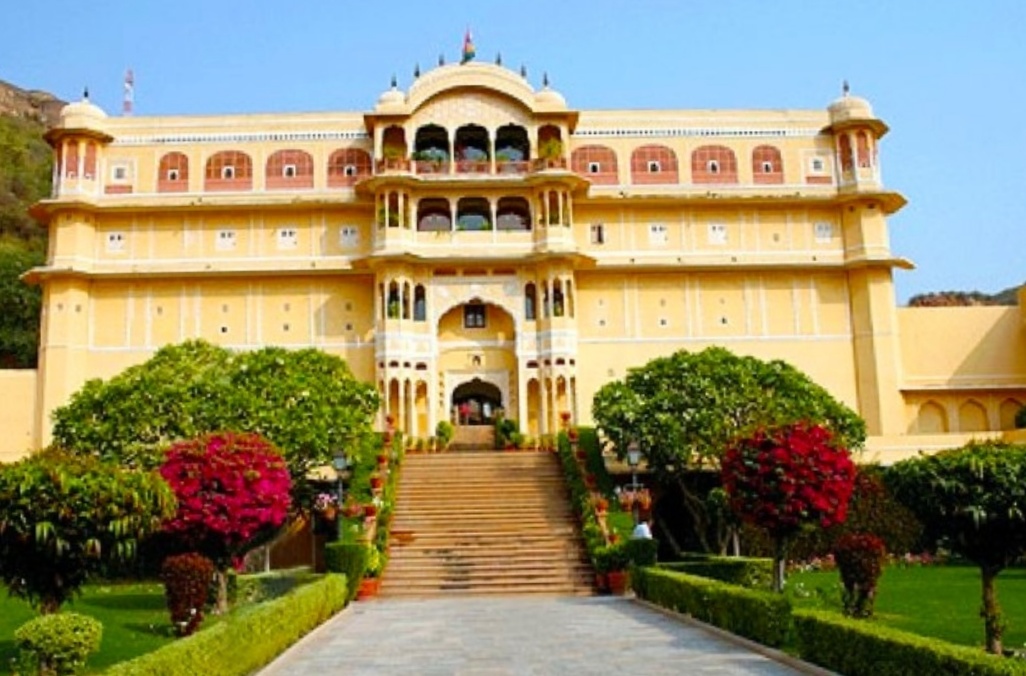
Nahargarh Fort stands on an Aravalli ridge overlooking Jaipur and was finished in 1734 under Maharaja Sawai Jai Singh II. First called Sudarshangarh, it later became Nahargarh, the abode of tigers, a name linked either to tigers that once lived in these hills or to the courage of Rajput rulers. With Amber and Jaigarh it formed part of the city's defences, and it also served as a summer retreat. In the 18th century treaties with the Marathas were signed here, and in 1857 it sheltered European refugees. Sawai Ram Singh added several palace buildings in the late 19th century.
The Tadigate entrance leads past a temple to the Jaipur rulers and another to the Rathore prince Nahar Singh Bhomia, whose spirit, legend says, opposed the building work until the shrine was raised to calm him. Beyond lie the Diwan-i-Aam and the two-storey Madhavendra Bhawan, built for Sawai Madho Singh as nine self-contained apartments for the king and his queens. The fort also has a contemporary sculpture park and the Jaipur Wax Museum.
Unmapia
Coming soon
We’re still writing about Nahargarh Fort: its history, what’s there and why it’s worth the trip.
Where it is
No map pin yet: directions search for the name