
 Nature & Wildlife
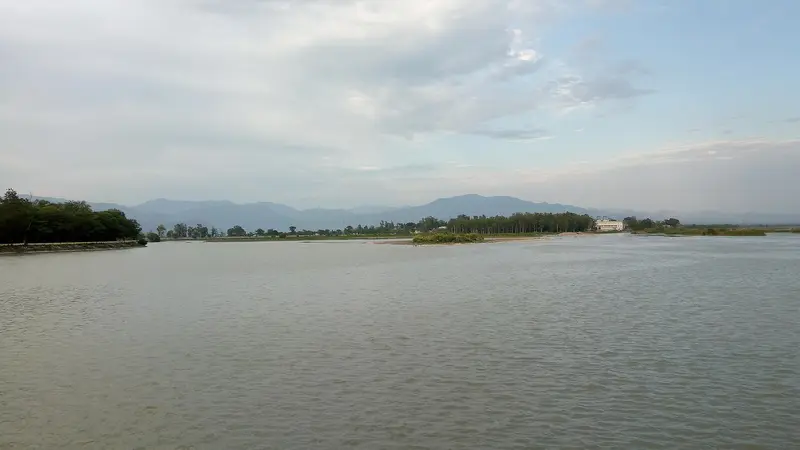
Asan Barrage
1967 barrage on the Asan River whose reservoir draws winter migratory birds
Dehradun
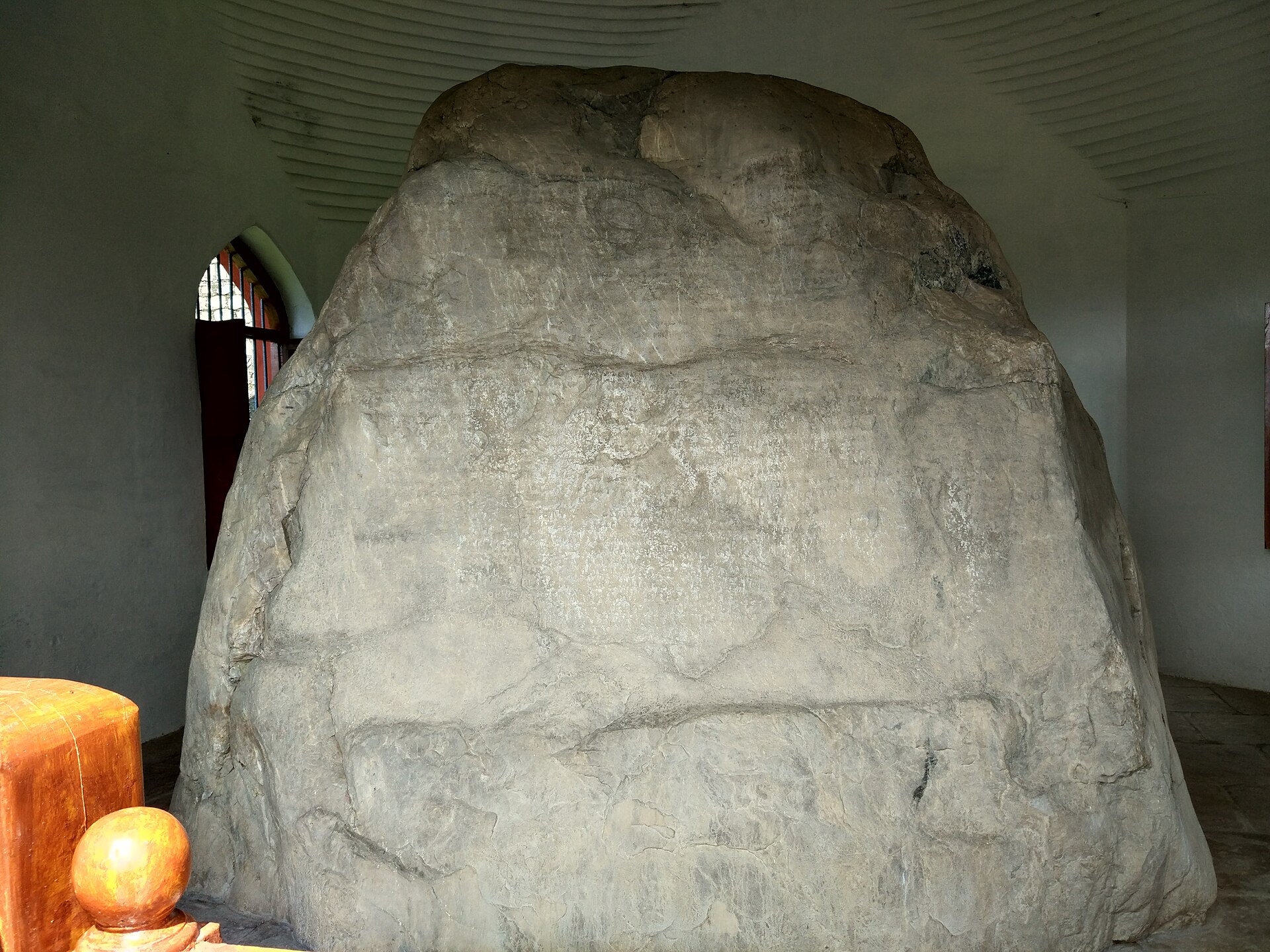
Photo: Mishra.prashant89 · CC BY-SA 4.0 · Wikimedia Commons
Sign in to save places and plan trips, day by day.
The rock edicts at Kalsi, a village in Uttarakhand, are inscriptions carved for the emperor Ashoka around 250 BCE and found by Alexander Cunningham about 1850. They contain the complete series of Major Rock Edicts, 1 to 14, cut in Brahmi script on a solid quartz boulder. Edicts 1 to 12 and the opening of 13 fill the east face, and the rest of 13 and Edict 14 continue on the south face. On the north face is a drawing of an elephant labelled gajatama, perhaps 'supreme elephant'.
Edict 13 matters most. It names the Hellenistic kings of the day, among them Antiochos II, Ptolemy II, Magas of Cyrene, Antigonos II Gonatas and Alexander II of Epirus, and describes Ashoka's 'conquest by Dharma' as reaching them and, in the south, the Cholas and Pandyas. These names show how well Ashoka knew the Greek world and allowed his reign to be dated fairly closely, to about 260–230 BCE.
Unmapia
Coming soon
We’re still writing about Kalsi Rock Edicts: its history, what’s there and why it’s worth the trip.
Where it is
30.52° N 77.85° E