
 Historical Place
Konda Reddy Fort
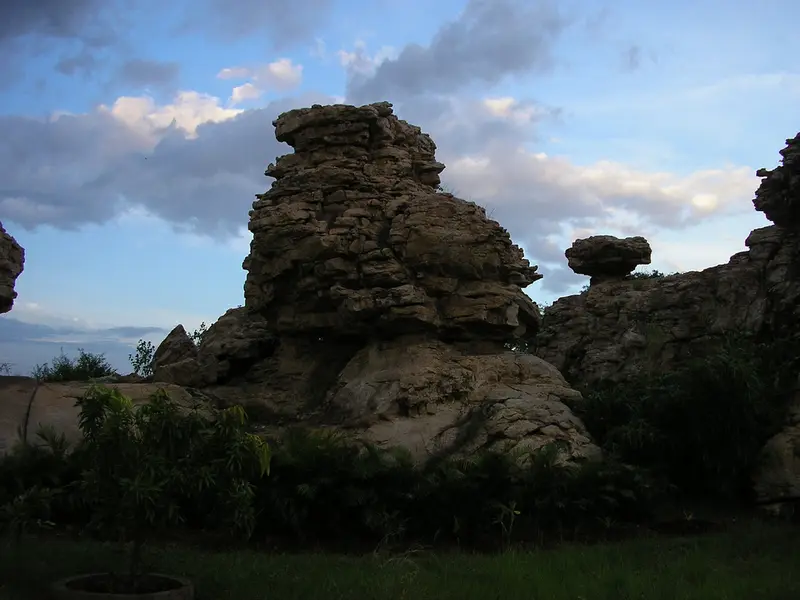
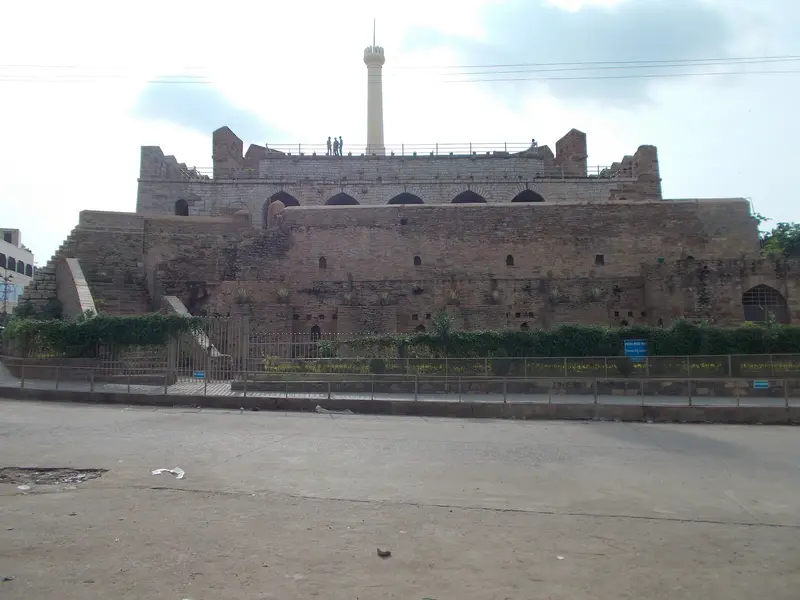
Vijayanagara fort in Kurnool with a prison bastion and a red sandstone watchtower
Kurnool
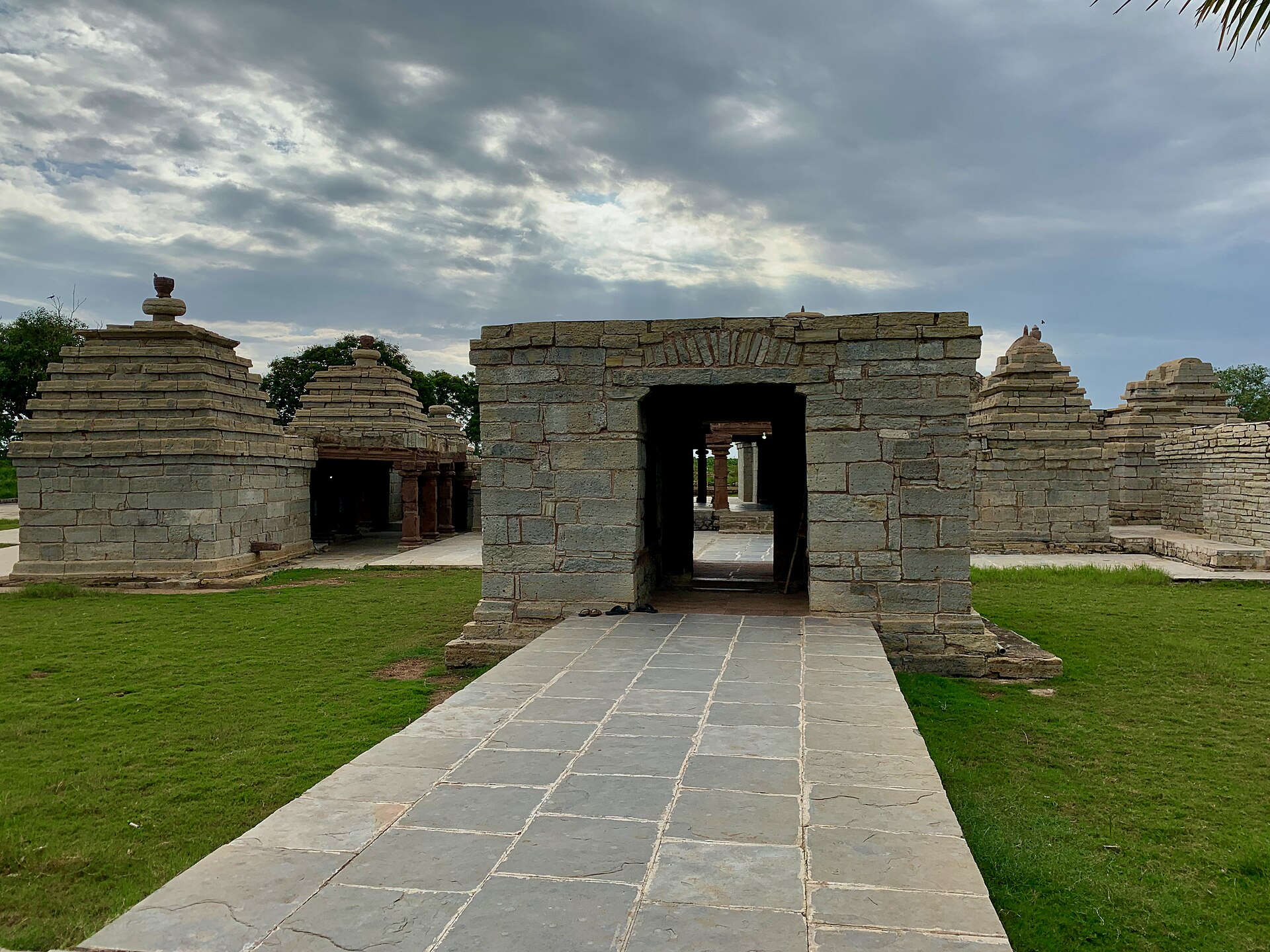
Photo: Ms Sarah Welch · CC0 · Wikimedia Commons
Sign in to save places and plan trips, day by day.
The Papanasi group comprises twenty-three Hindu temples of the 9th to 11th centuries, now standing south-west of Alampur village in Telangana, near the meeting of the Tungabhadra and Krishna rivers. They lie about 1.5 kilometres from the Navabrahma temples but were completed some centuries later, under the Rashtrakutas and later Chalukyas, and most are now ruined. When the Srisailam hydroelectric project threatened them, the Archaeological Survey of India moved them to higher ground and restored them after 1980, building a barrage for their protection.
The temples follow the Nagara style on square plans. The largest, the Papanasisvara temple, has plain outer walls, a stepped phamsana roof and a pillared hall inside, and is dedicated to Shiva as the dancing Nataraja. Together with the Navabrahma group they were tied to the Kalamukha and Pashupata sects of Shaivism and formed the Brahmeshvara tirtha, a place of great regional influence until they were damaged during Delhi Sultanate invasions in the 14th and 15th centuries.
Unmapia
Coming soon
We’re still writing about Alampur Papanasi Temples: its history, what’s there and why it’s worth the trip.
Where it is
15.87° N 78.12° E