
 Trekking Spot
Idar Hills and Idar Fort
Rounded granite boulders form a natural maze around the remains of a hill fort.
Offbeat · Sabarkantha
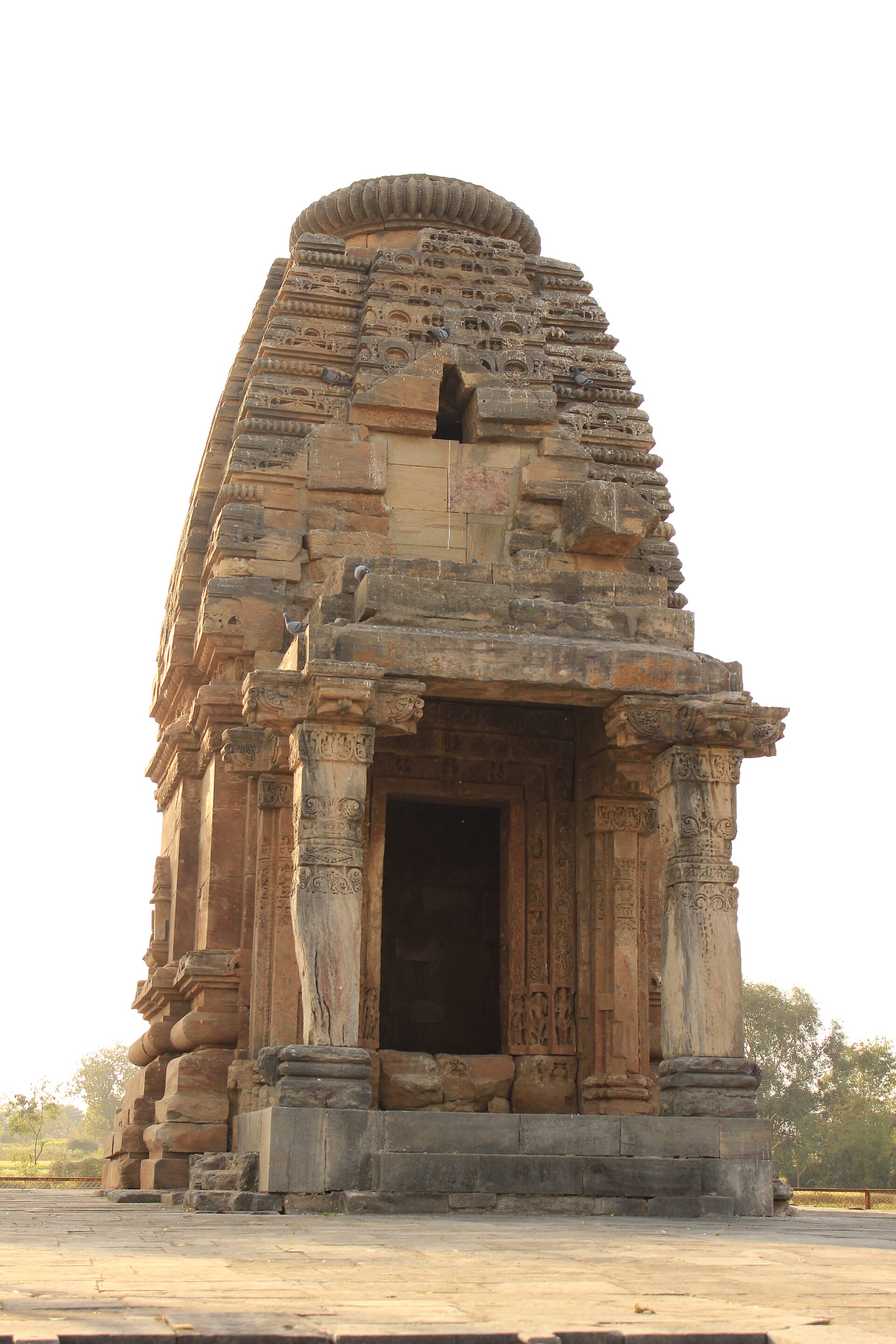
Photo: Snehrashmi · CC BY-SA 4.0 · Wikimedia Commons
Sign in to save places and plan trips, day by day.
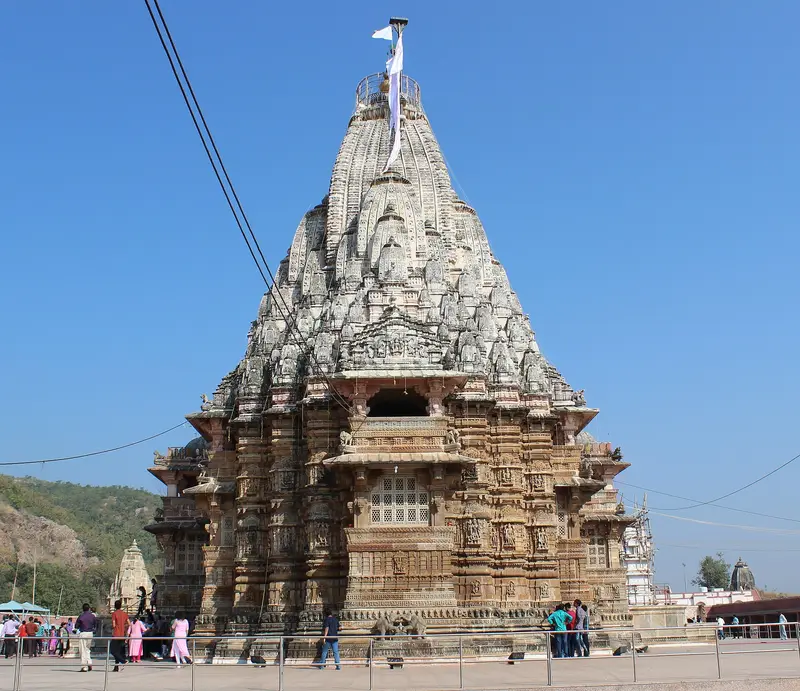
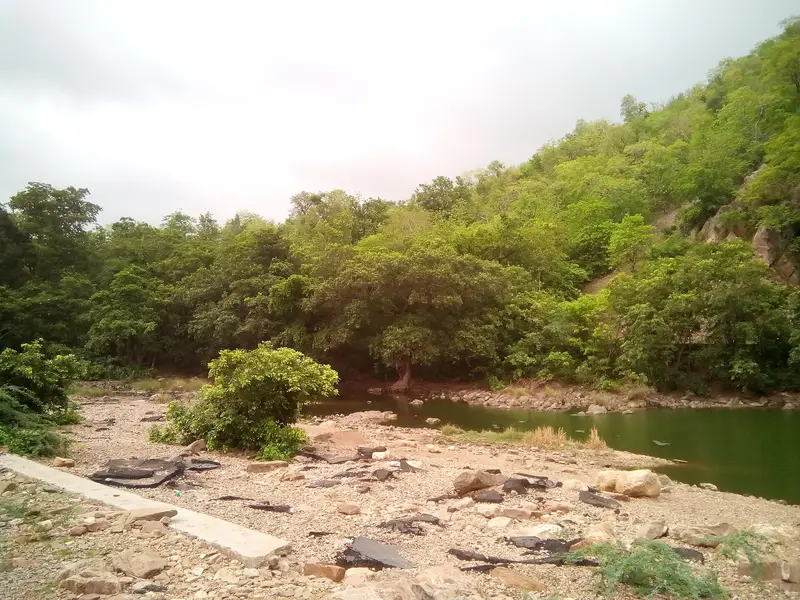
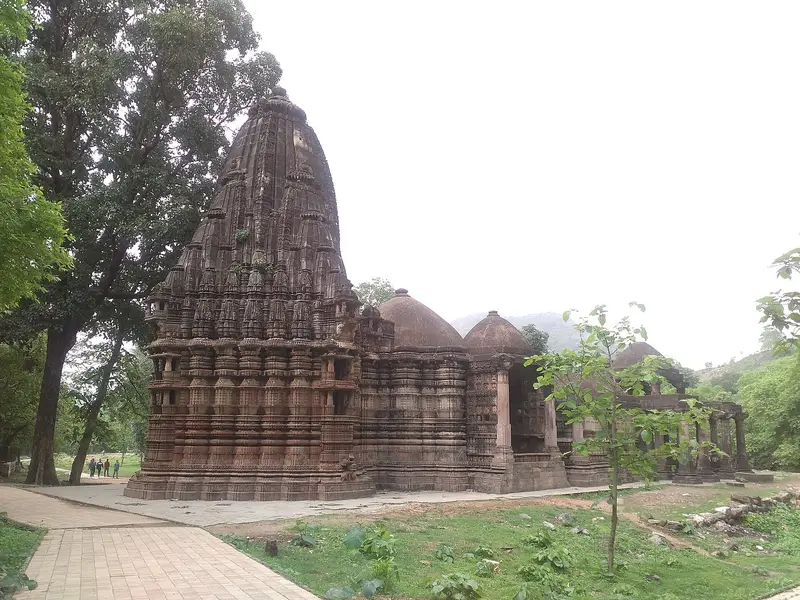
The Roda temples stand 18 km from Himmatnagar, between the villages of Raisingpura (Roda) and Khed Chandarani in Sabarkantha district, beside a seasonal stream that feeds the Hathmati River. The name comes from the Gujarati word for brick-bats, after the rubble found here. The east-facing temples date from the late eighth to ninth century, under either the Gurjara-Pratiharas or the Rashtrakutas, and M. A. Dhaky called them the 'great-grandfather' of Gujarat's Solanki architecture.
Six temples survive and a seventh is known from photographs. The first two can be reached by road: a Shiva shrine and the Pakshi Mandir, named for its carved birds. About 500 metres on is the Ladushah kund, a stepped reservoir with surviving corner shrines to Shiva and Vishnu. Across the stream are the Navagraha temple and a ruined Ganesha temple, the largest of the group. The shrines were built without mortar and were restored after the 2001 earthquake. Nagrani Vav, a stepwell, stands at the entrance to Khed Chandarani.
Unmapia
Coming soon
We’re still writing about Roda Group of Temples: its history, what’s there and why it’s worth the trip.
Where it is
23.66° N 73.08° E