
 Spiritual Place
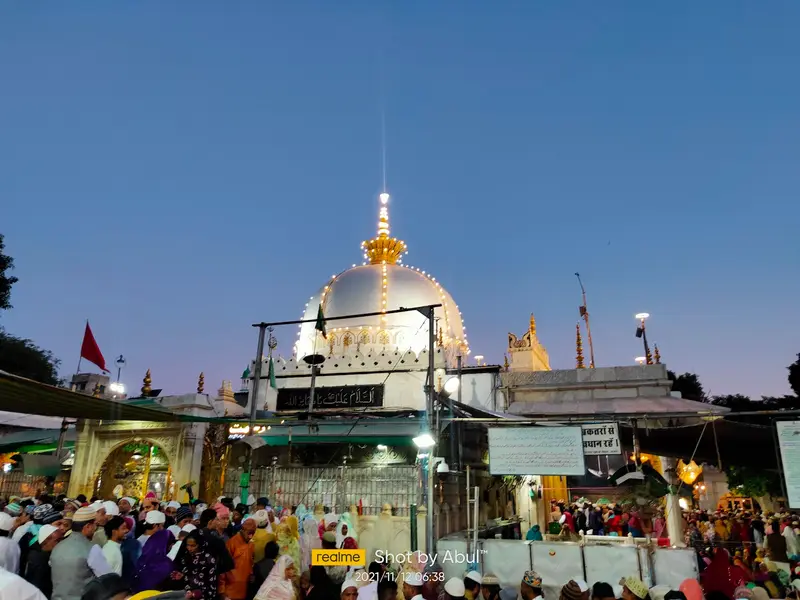
Ajmer Sharif Dargah
Shrine of the Sufi saint Khwaja Moinuddin Chishti, open to pilgrims of every faith
Ajmer
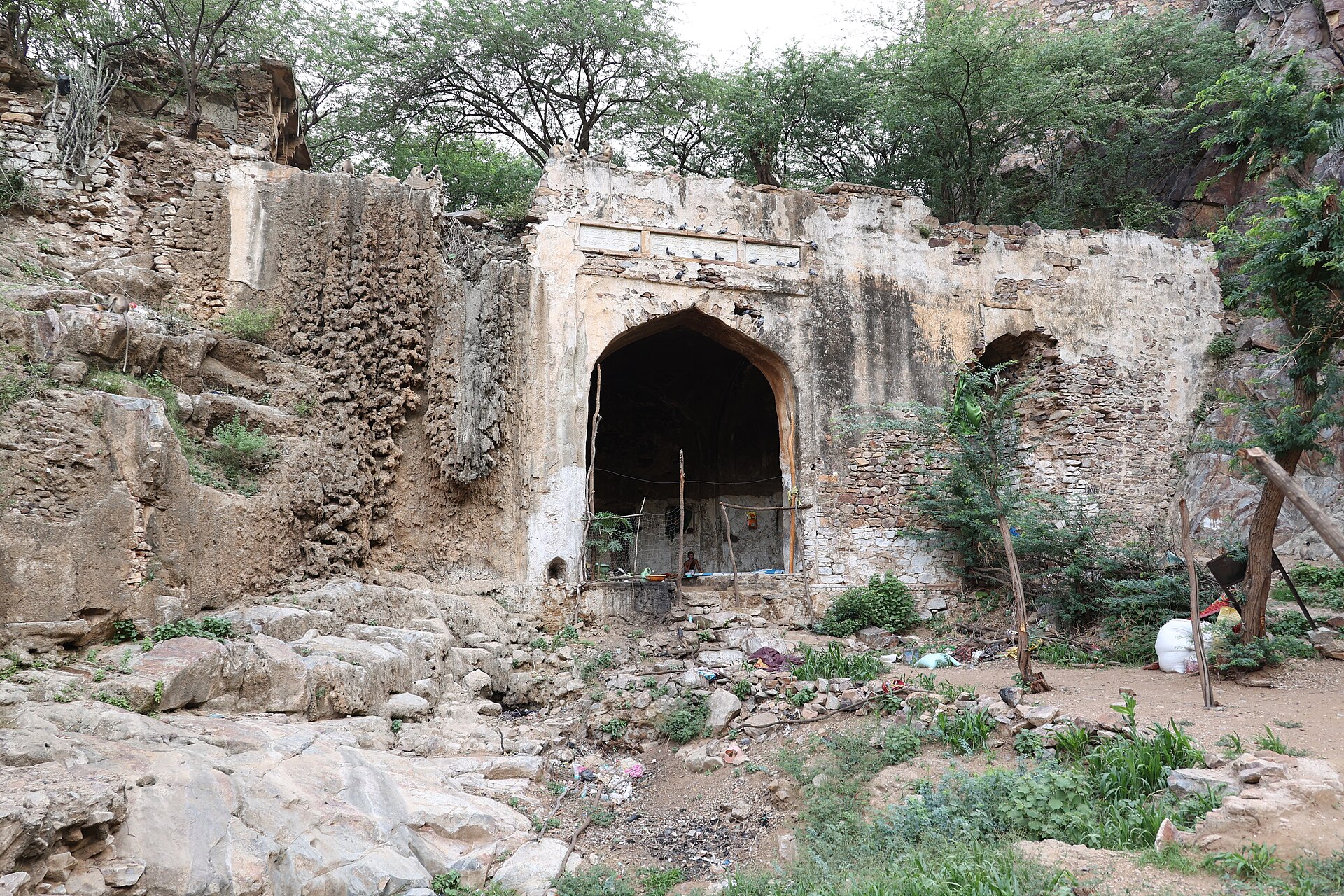
Photo: Fg2004 · CC BY-SA 4.0 · Wikimedia Commons
Sign in to save places and plan trips, day by day.
Nur Chashma is a hunting palace that the Mughal emperor Jahangir built at Ajmer, and called the spot Chashma-i-Nur, meaning 'spring of light', a play on his own name, Nur-uddin. Jahangir spent several years in Ajmer from 1613, described the place in his memoir, the Tuzuk-i-Jahangiri, and had verses cut into a stone set over the arch of the lower building. The English envoy Sir Thomas Roe called it a 'place of melancholy delight'. Before the Mughals, Hafiz Jamal, daughter of Khawaja Muinuddin Chishti, lived here for a while as a religious recluse.
Today only a ruined pavilion remains. Close by stands Roothi Rani Ka Mahal, the remains of a massive water lift begun by Rao Maldeva after he took Ajmer in 1535: a chain of towers meant to carry water from the spring up to Taragarh fort, never completed. Where the valley opens out at its end, Dara Shikoh and Aurangzeb fought the Battle of Ajmer over the succession to Shah Jahan.
Unmapia
Coming soon
We’re still writing about Nur Chashma, Ajmer: its history, what’s there and why it’s worth the trip.
Where it is
26.43° N 74.61° E