
 Historical Place
Deorkothar
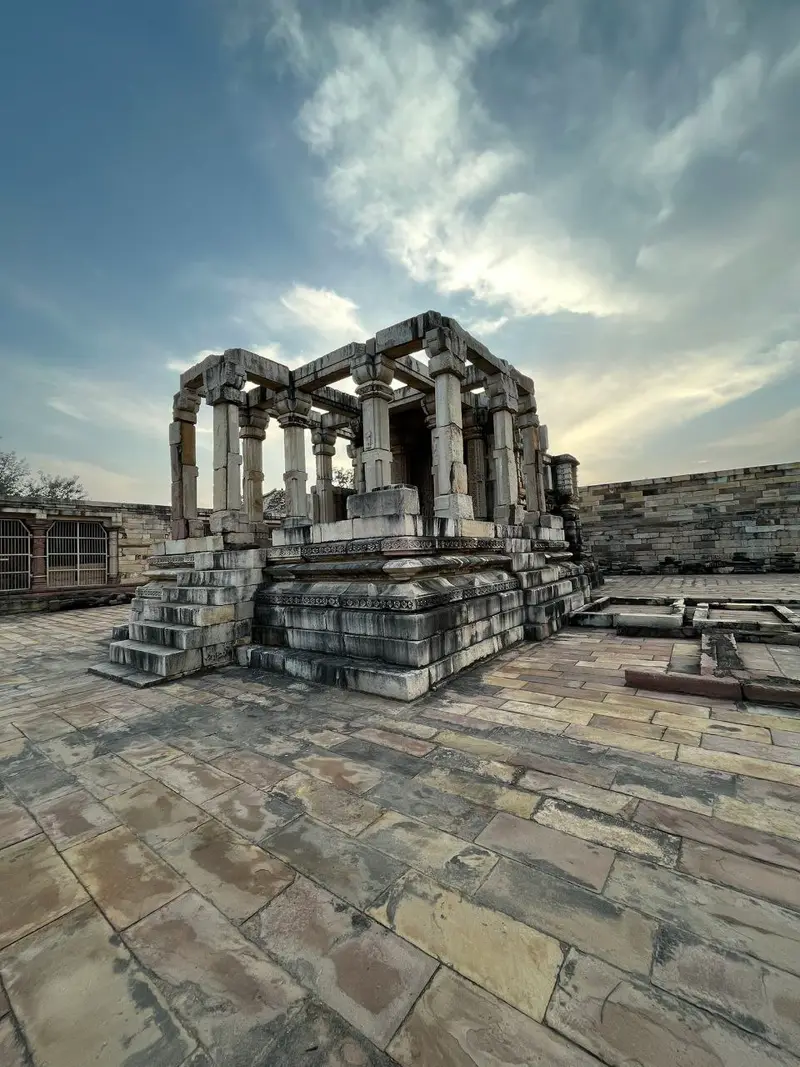
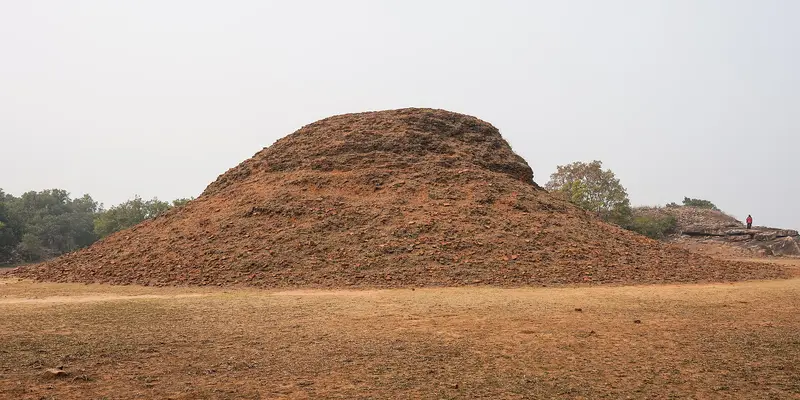
Early Buddhist stupas near Rewa with inscriptions tracing a teacher line back to the Buddha
Rewa
Sign in to save places and plan trips, day by day.
Koldihwa counts among the few Neolithic sites of Uttar Pradesh, in the valley of the Belan River near Devghat village, in Prayagraj district. Excavated from 1972 to 1976, it yielded very early evidence of rice growing, along with pottery and fragments of bone, including those of horses. Mahagara, a related site, lies on the opposite bank.
The dates are still debated. Carbon dating first placed the pottery and rice around 7000 BCE. More recent examination points instead to clear occupation from the later Neolithic, after about 1900 BCE, and the archaeobotanist Dorian Fuller has urged caution over the earlier dates. Rice here stands in contrast to Neolithic sites such as Mehrgarh and Chirand, where wheat was found instead.
Unmapia
Coming soon
We’re still writing about Koldihwa: its history, what’s there and why it’s worth the trip.
Where it is
24.90° N 82.03° E