
 Historical Place
Uparkot Fort
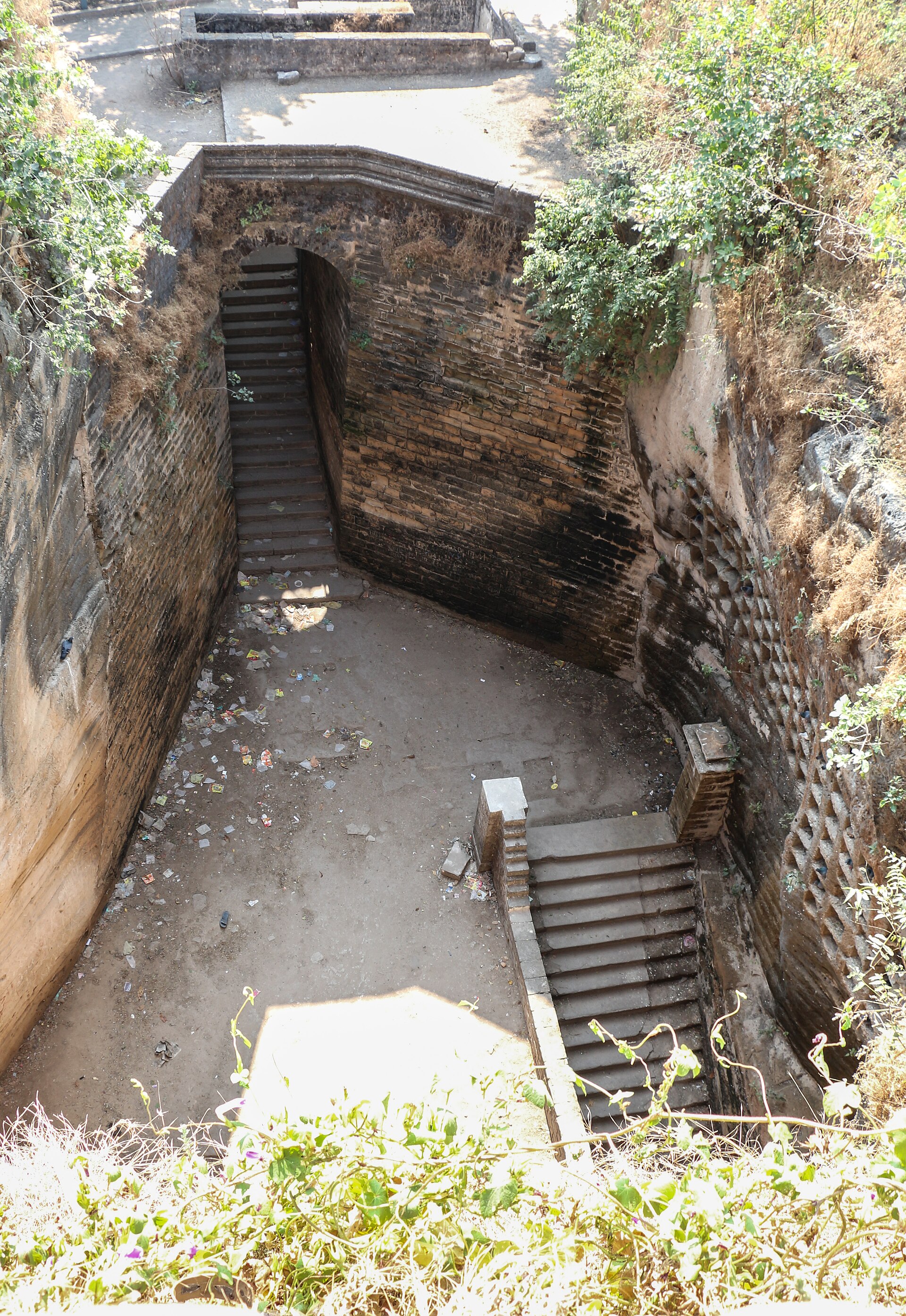
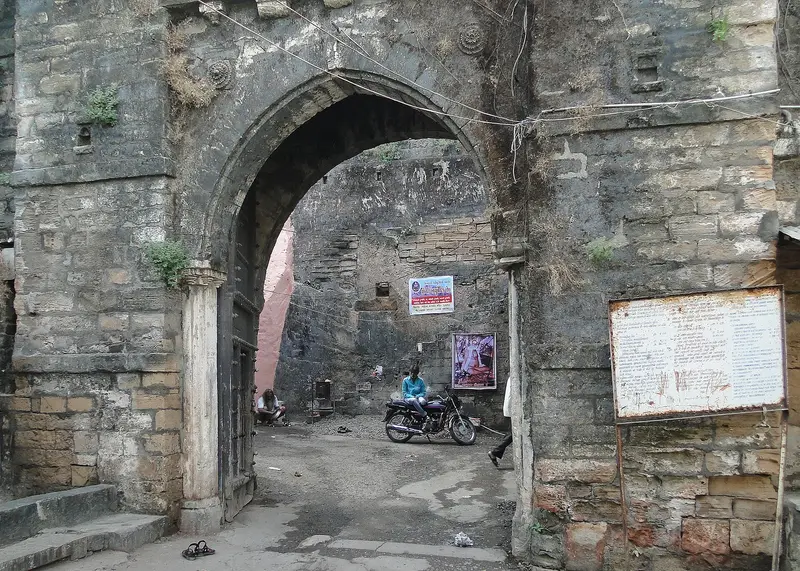
Within old ramparts, deep stepwells and rock-cut spaces tell stories of a city under siege.
Famous · Junagadh
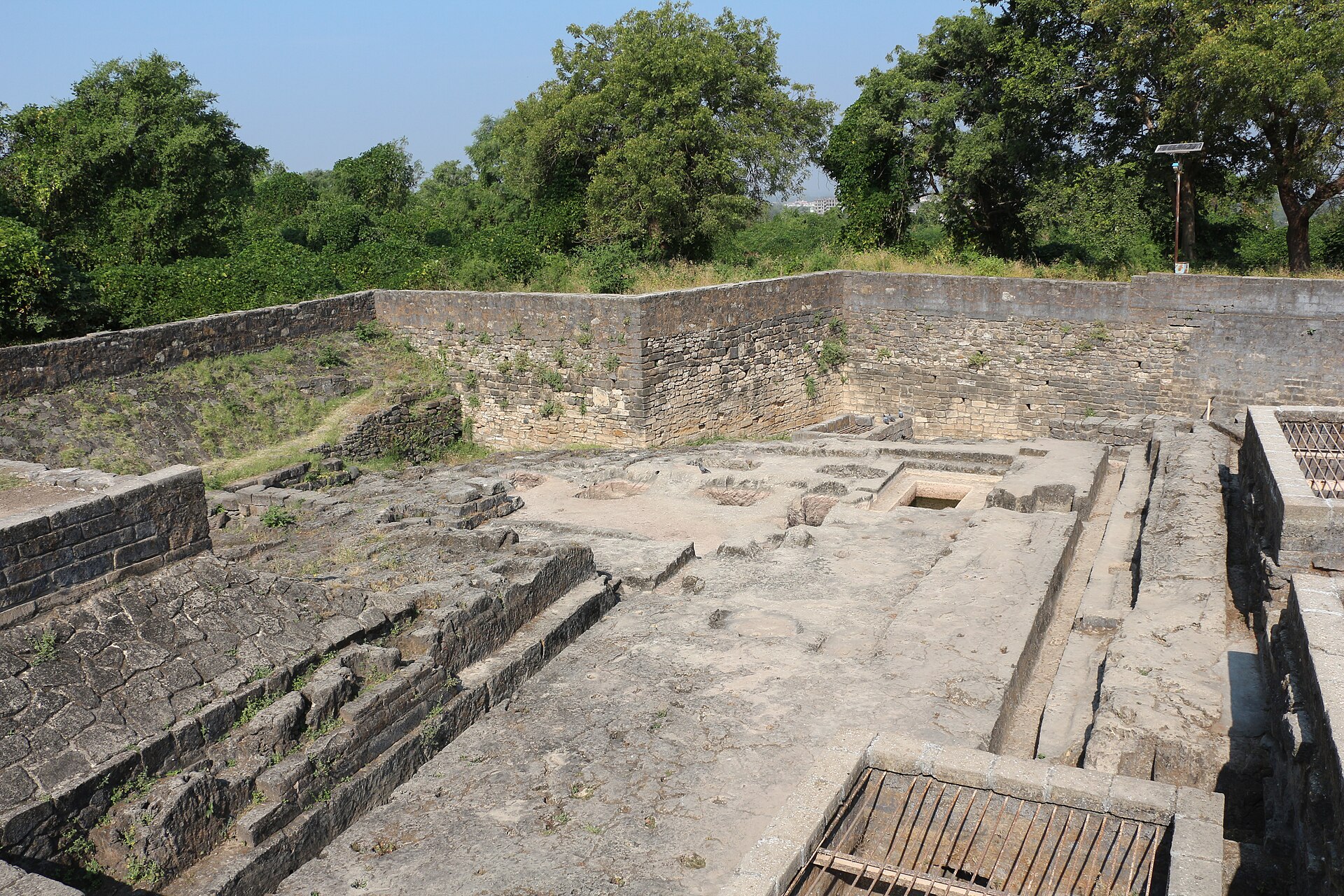
Photo: Bernard Gagnon · CC BY-SA 3.0 · Wikimedia Commons
Sign in to save places and plan trips, day by day.
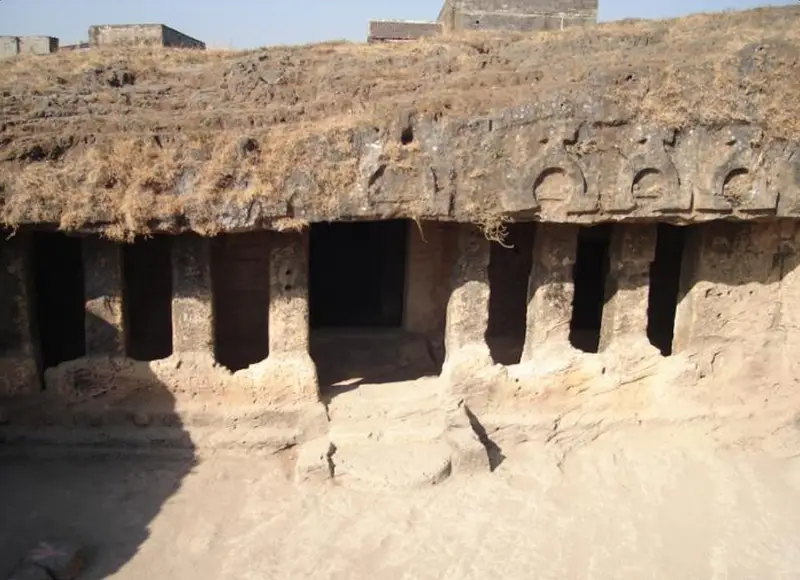
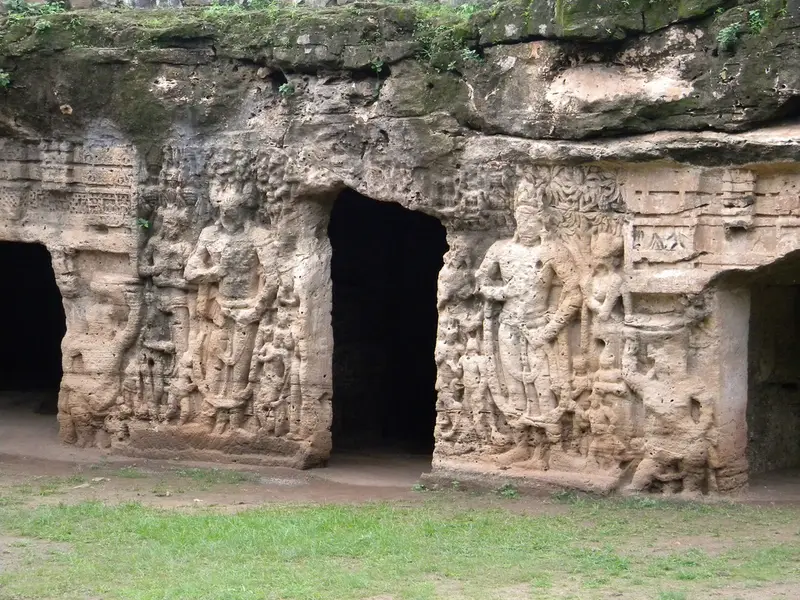
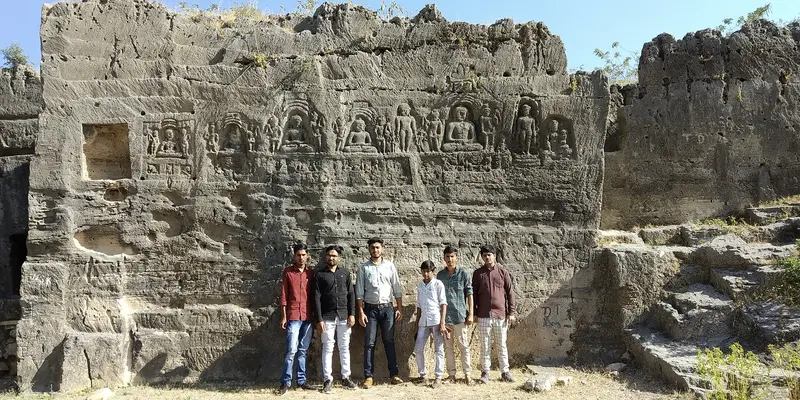
The Junagadh cave groups are three separate sets of rooms cut into rock as quarters for monks: the Khapra Kodia caves, the Bava Pyara caves and the caves inside Uparkot fort. They were carved over several centuries, from the time of Emperor Ashoka up to roughly the 4th century AD.
Khapra Kodia, also called Khangar Mahal, is the oldest and plainest, cut into a ridge by the old Sudarshan Lake just north of Uparkot, with L-shaped living quarters and water tanks. Monks used it in the rainy season until cracks let water in; quarrying later left only the top storey. The Bava Pyara caves south of the fort date from the 1st–2nd century AD and hold 13 caves on three levels with Buddhist and Jain art. The Uparkot caves, near Adi Kadi Vav beyond a deep moat, mix Satavahana and Graeco-Scythian influences.
Unmapia
Coming soon
We’re still writing about Junagadh Buddhist Cave Groups: its history, what’s there and why it’s worth the trip.
Where it is
21.53° N 70.47° E