
 Aesthetic Café
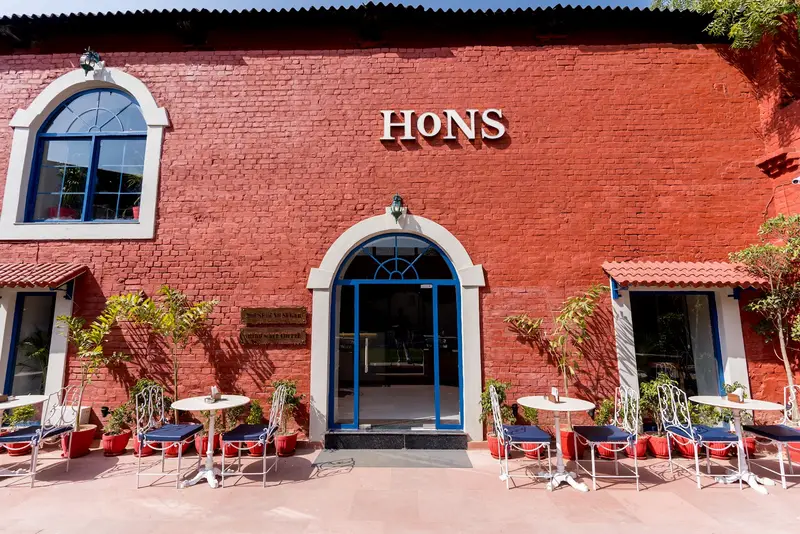
Café Hons
Photogenic cafe · pastel interiors · MB Club, Cantonment
Offbeat · Lucknow
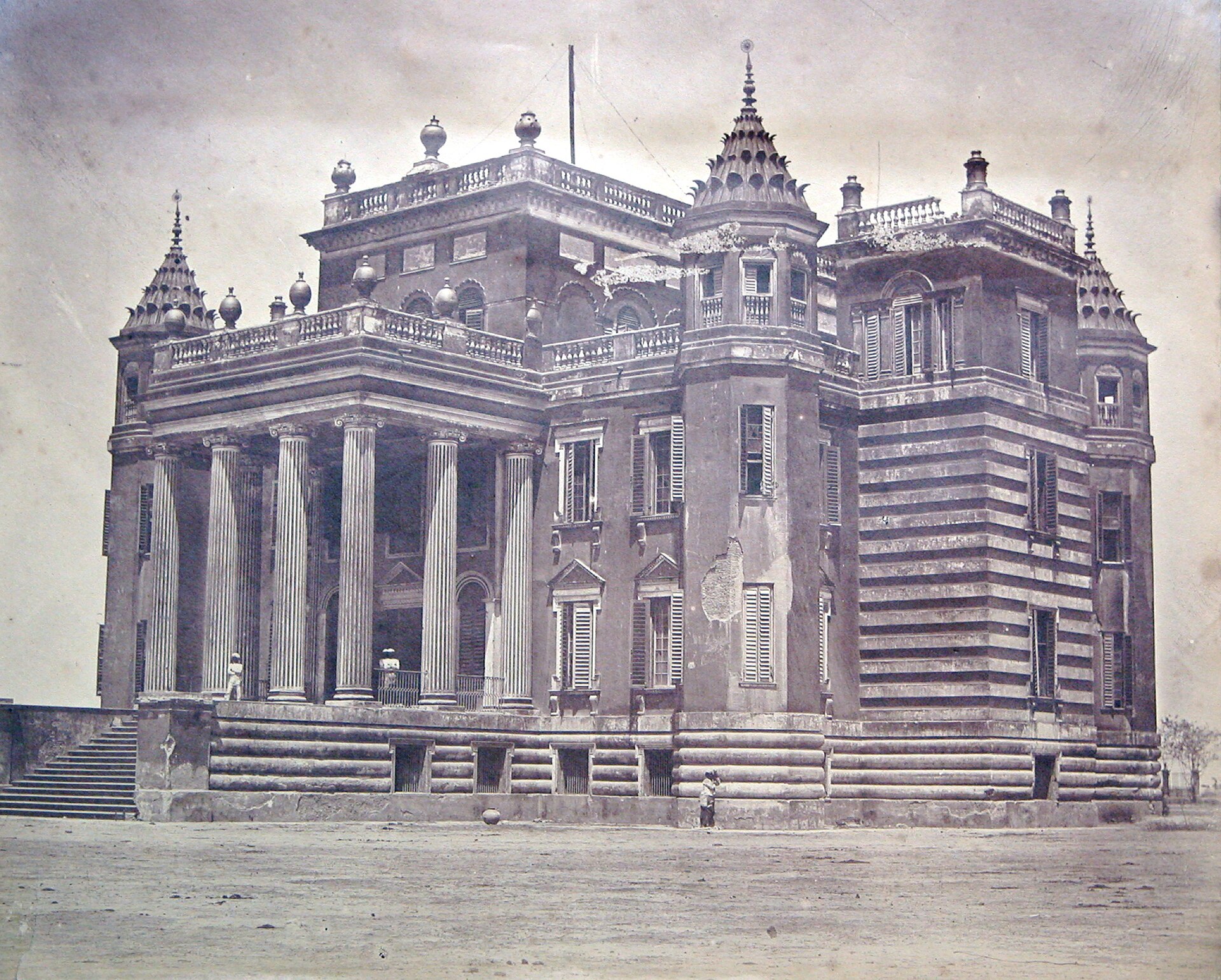
Photo: Felice Beato · Public domain · Wikimedia Commons
Sign in to save places and plan trips, day by day.
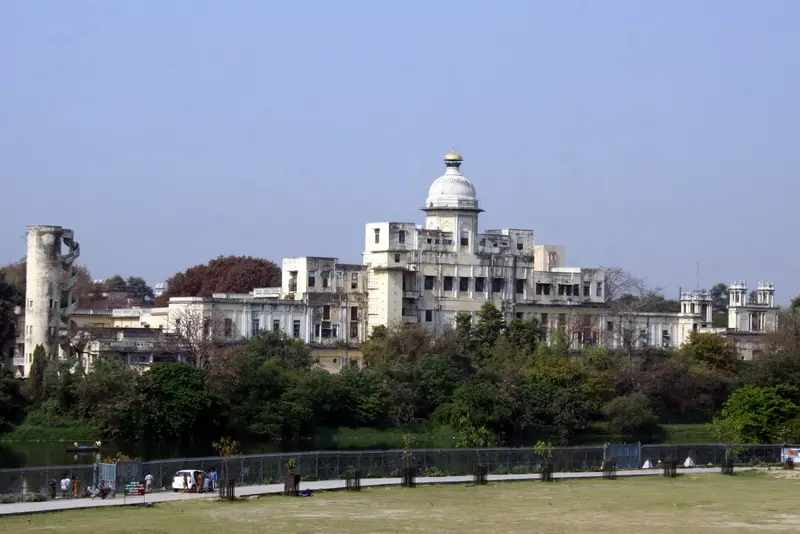
Dilkusha Kothi, in the Dilkusha area of Lucknow on the banks of the Gomti, is what survives of a house built around 1800 by Major Gore Ouseley, the British resident and a friend of Nawab Saadat Ali Khan of Oudh. Planned as a hunting lodge for the Nawabs and later also used as a summer retreat, it was altered under Nasir-ud-Din Haider. Its English baroque design, strikingly like Seaton Delaval Hall in Northumberland, broke with local custom: with no inner courtyard, it rose taller on a smaller footprint. In 1830 the king and his courtiers are said to have watched a balloon ascent here.
In 1857 rebels held the house until British forces under Sir Colin Campbell retook it, and General Henry Havelock died of dysentery here that November. It was heavily shelled, though photographs suggest most of the ruin came later. Only some towers and outer walls stand now, but the extensive gardens remain, and the Archaeological Survey of India carries out gardening and small repairs.
Unmapia
Coming soon
We’re still writing about Dilkusha Kothi: its history, what’s there and why it’s worth the trip.
Where it is
26.83° N 80.95° E