
 Spiritual Place
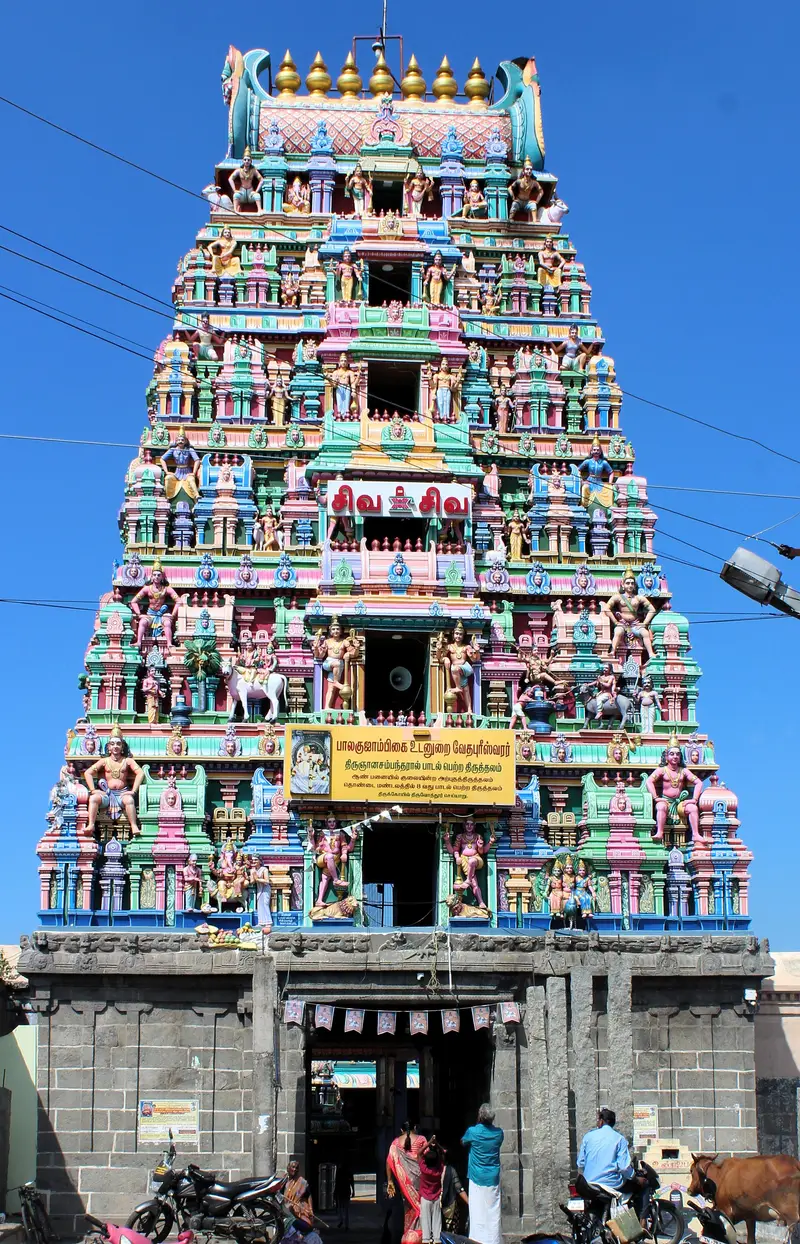
Vedapureeswarar Temple, Cheyyar
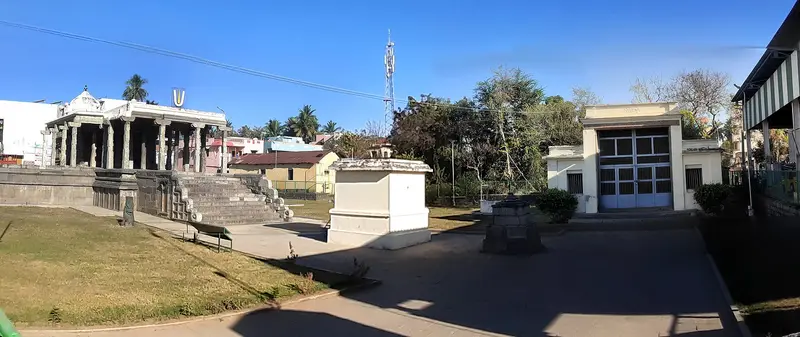
Tevaram shrine on the Cheyyar river where the Nandi faces away from the lingam
Tiruvannamalai
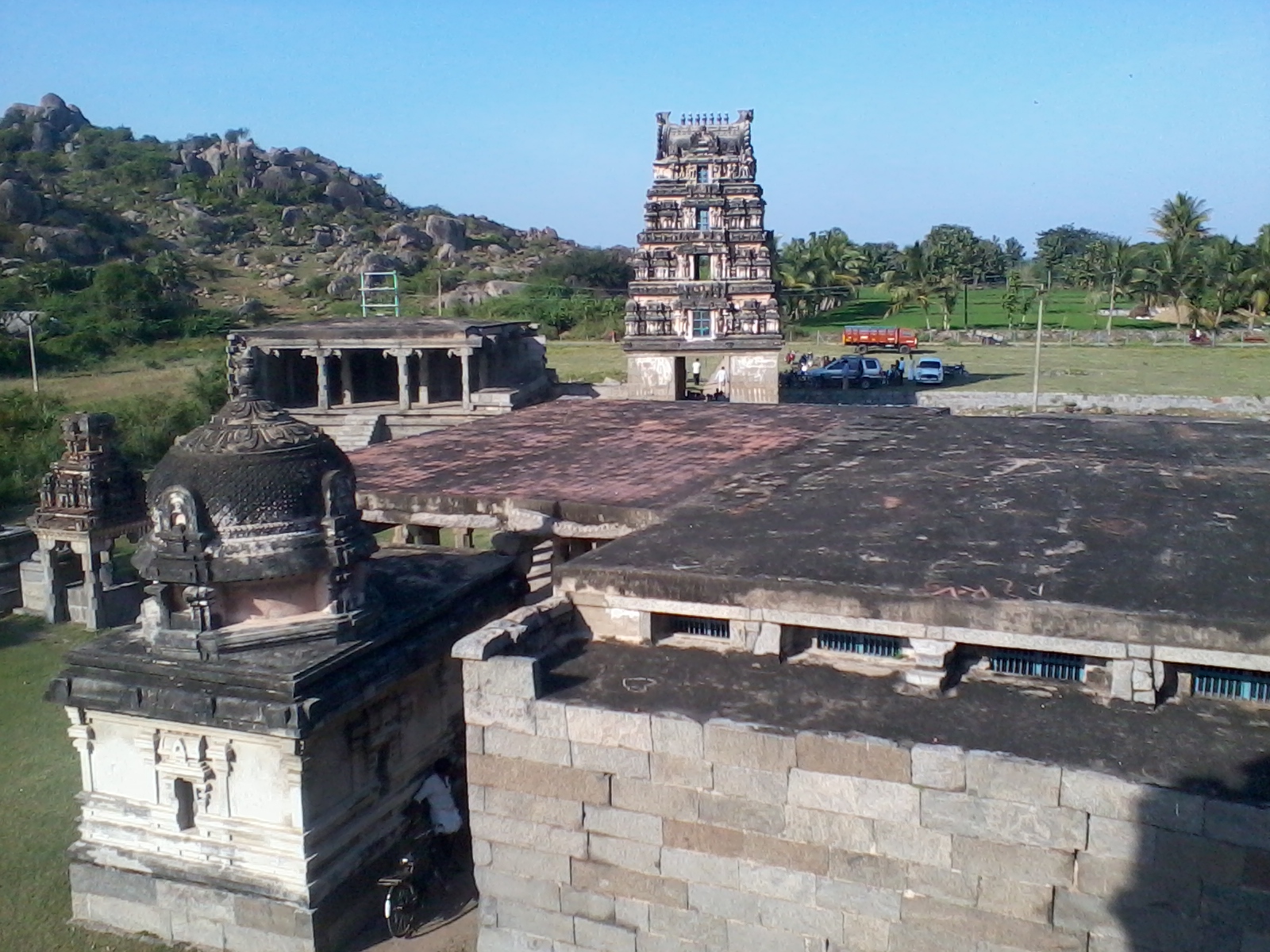
Photo: Ragunathanp · CC BY-SA 3.0 · Wikimedia Commons
Sign in to save places and plan trips, day by day.
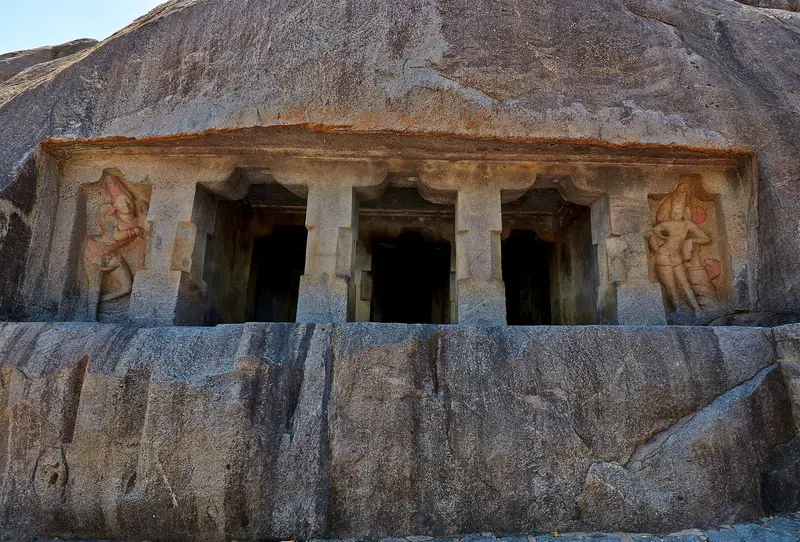
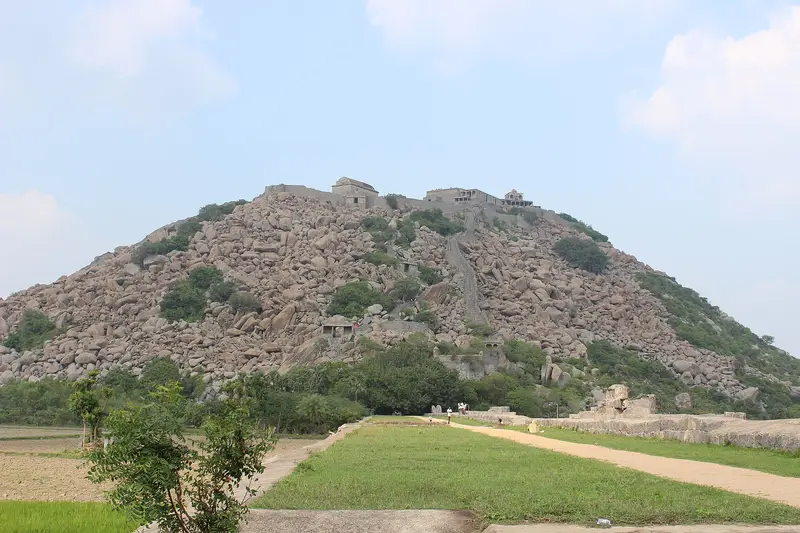
The Avanibhajana Pallaveshwaram Temple, also called the Stambeswarar Temple, is a rock-cut Shiva shrine in the town of Seeyamangalam in Tiruvannamalai district. It was carved in the time of Mahendravarman I, the Pallava ruler of 600–630 CE whose title Avani gives the temple its name, and is an early example of rock-cut work. Its Sanskrit inscription in Grantha-Pallava script names Lalitankura as the one who excavated it. The Cholas and Vijayanagara kings added to it, and it is now an ASI-protected monument.
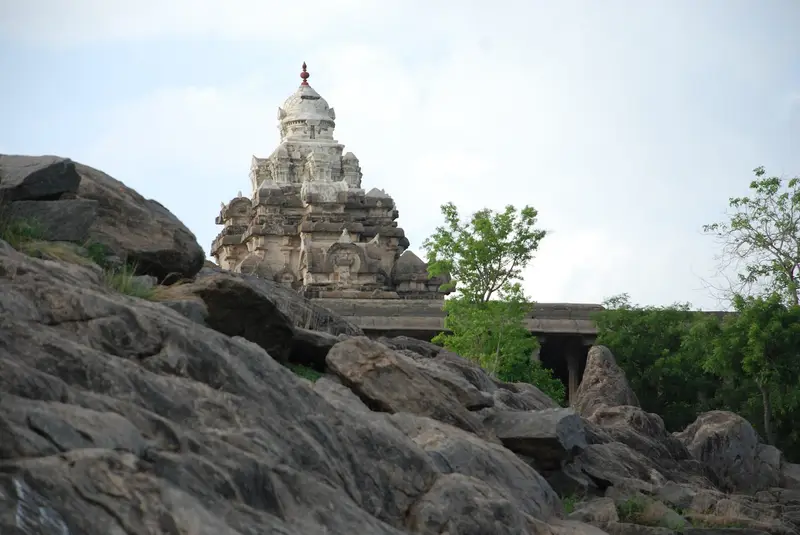
A small three-tiered gopuram, thought to be Vijayanagara work, leads to pillared halls and the circular cave sanctum, guarded by two dvarapalas and holding a lingam. The pillars carry lotuses above and lions below. On one of them is a four-armed Nataraja, believed to be among the earliest images of the dancing Shiva in South India, with a hooded snake at his feet and two attendants, one playing a drum. Jain beds from the 9th century lie on the far side of the hillock.
Unmapia
Coming soon
We’re still writing about Avanibhajana Pallaveshwaram Temple, Seeyamangalam: its history, what’s there and why it’s worth the trip.
Where it is
12.43° N 79.47° E