
When to go
- JJan
- FFeb
- MMar
- AApr
- MMay
- JJun
- JJul
- AAug
- SSep
- OOct
- NNov
- DDec
Good time to go This month
- Time of day
- 9:00 AM–5:00 PM as a planning window
- Crowds
- High on weekends/holidays
Sign in to save places and plan trips, day by day.
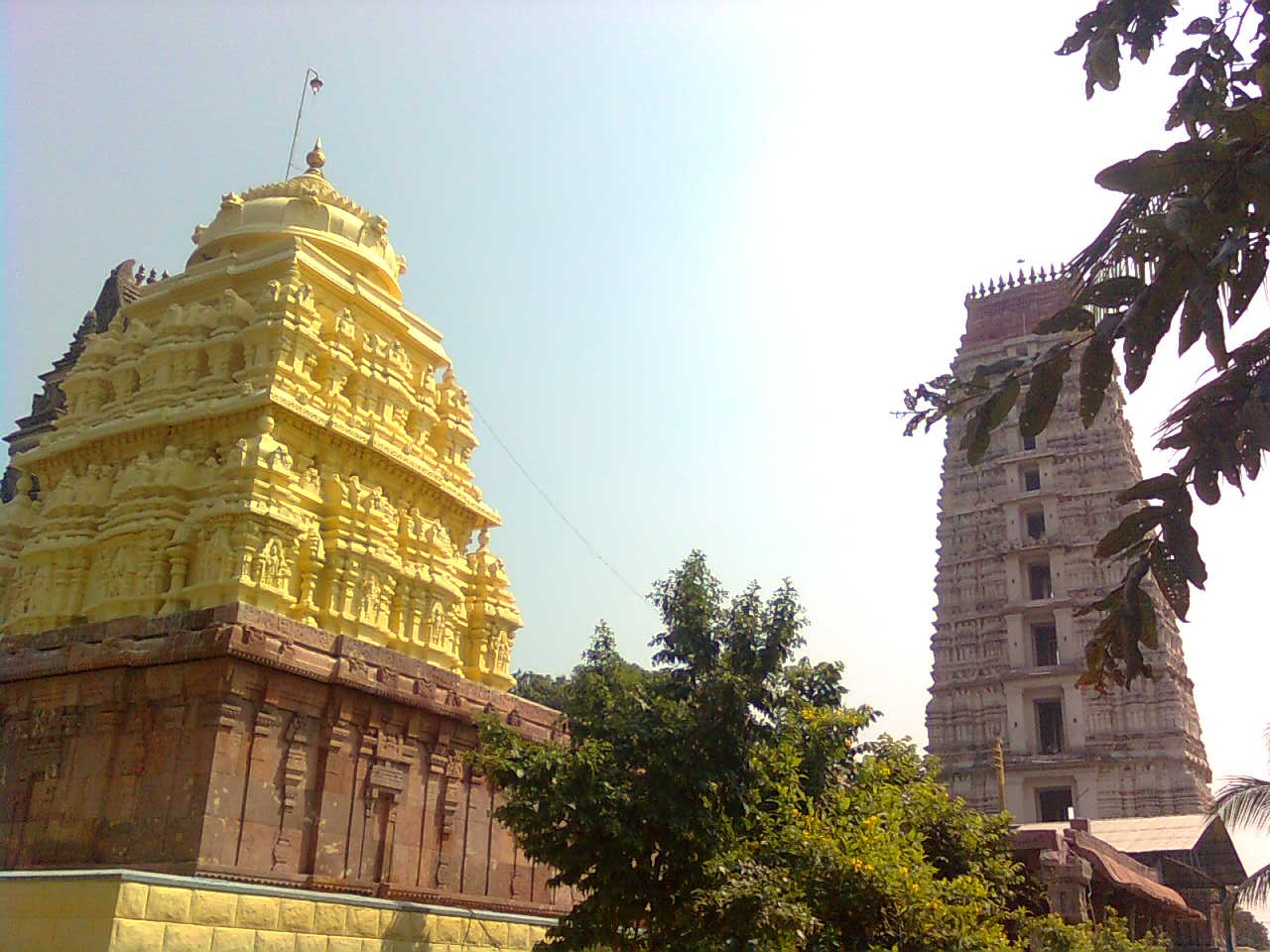
The Amaravati Mahachaitya, also called the Amaravati Stupa, is an ancient Buddhist monument on the southern side of the Krishna River, close to the present town of Amaravati. Its position made it a major place of Buddhist worship and pilgrimage.
Its history begins in the 3rd century under the Mauryas, and it reached its height under the Satavahana kings. In that era it was a centre of Buddhist study that attracted monks, scholars and pilgrims from far away.
The stupa is known for its sculpture. Limestone panels carved with episodes from the Buddha's life, Jataka stories and other Buddhist themes once covered it, and a large railing with carved medallions and pillars ran around the monument.
Good time to go This month
Respect barriers and heritage structures
Where it is
16.57° N 80.36° E