
 Historical Place
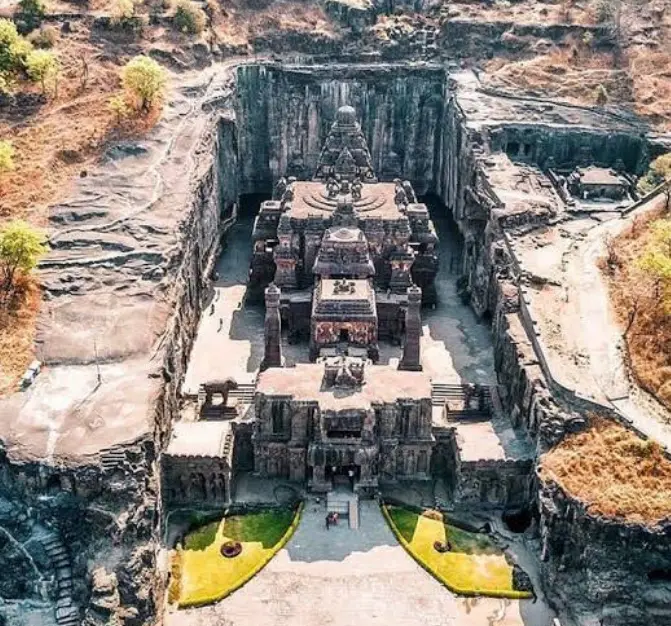
Ellora Caves
UNESCO-listed Buddhist, Hindu and Jain rock-cut caves, including the monolithic Kailasa temple
Chhatrapati Sambhajinagar
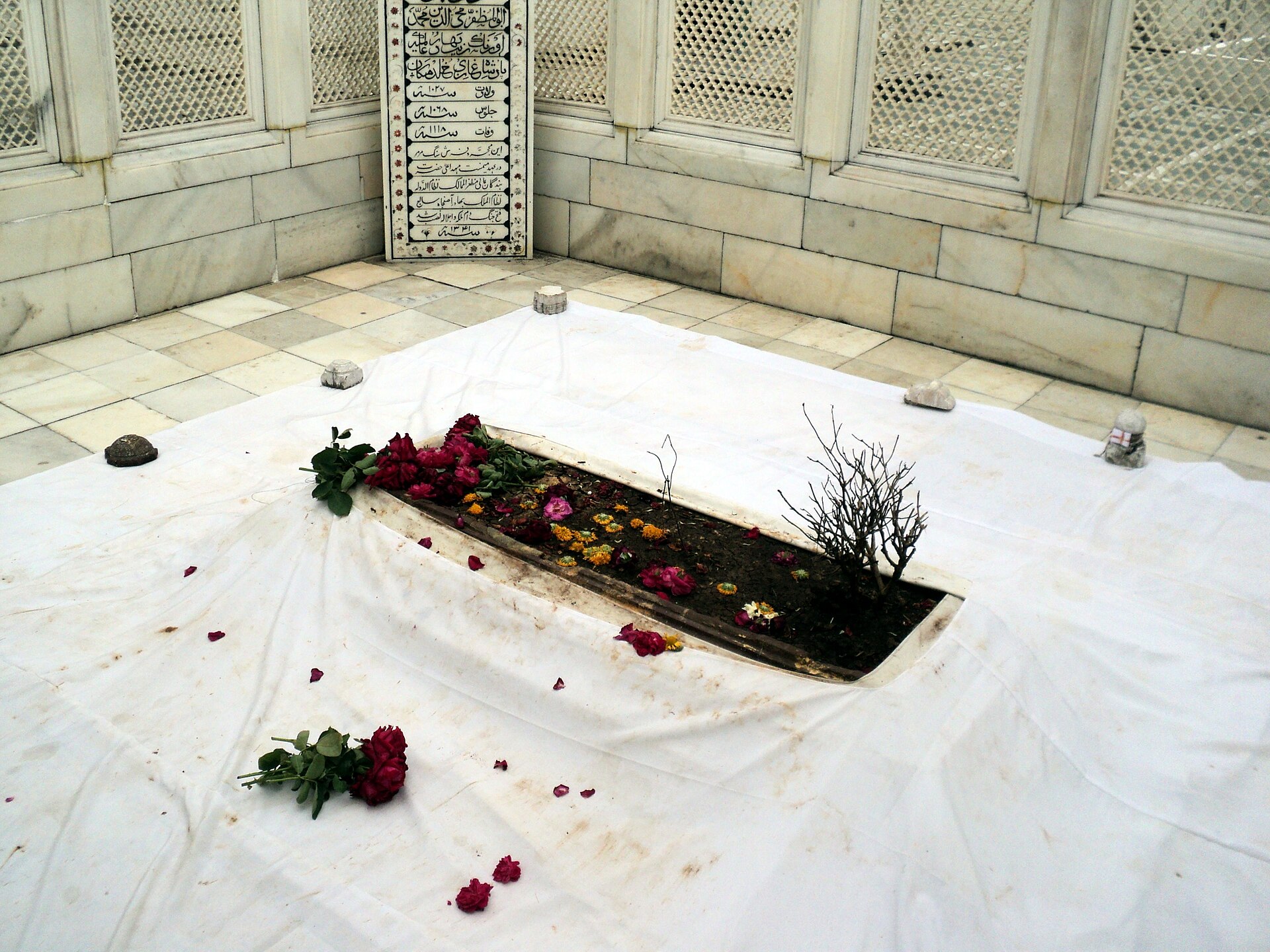
Photo: PP Yoonus · CC BY-SA 3.0 · Wikimedia Commons
Sign in to save places and plan trips, day by day.
For half a century Aurangzeb, sixth of the Mughal emperors, held most of the subcontinent, and died at Ahmednagar on 3 March 1707. Unlike the grand tombs of his predecessors, his grave at Khuldabad, 24 kilometres from Aurangabad, is plain by his own instruction. It lies in the south-eastern corner of the dargah of Sheikh Zainuddin, the Sufi he regarded as his spiritual teacher.
The grave is a low red stone platform under three yards long, open to the sky, with a small hollow filled with earth in which herbs grow, following the example of his sister Jahanara's grave. Tradition holds that he paid for it by stitching caps in his final years and that it cost 14 rupees and 12 annas. A gateway and domed porch were added in 1760, and Lord Curzon later faced the site with marble and enclosed it within a pierced marble screen. After his death he was given the title Khuld-makan.
Unmapia
Coming soon
We’re still writing about Tomb of Aurangzeb: its history, what’s there and why it’s worth the trip.
Where it is
20.01° N 75.19° E