
 Spiritual Place
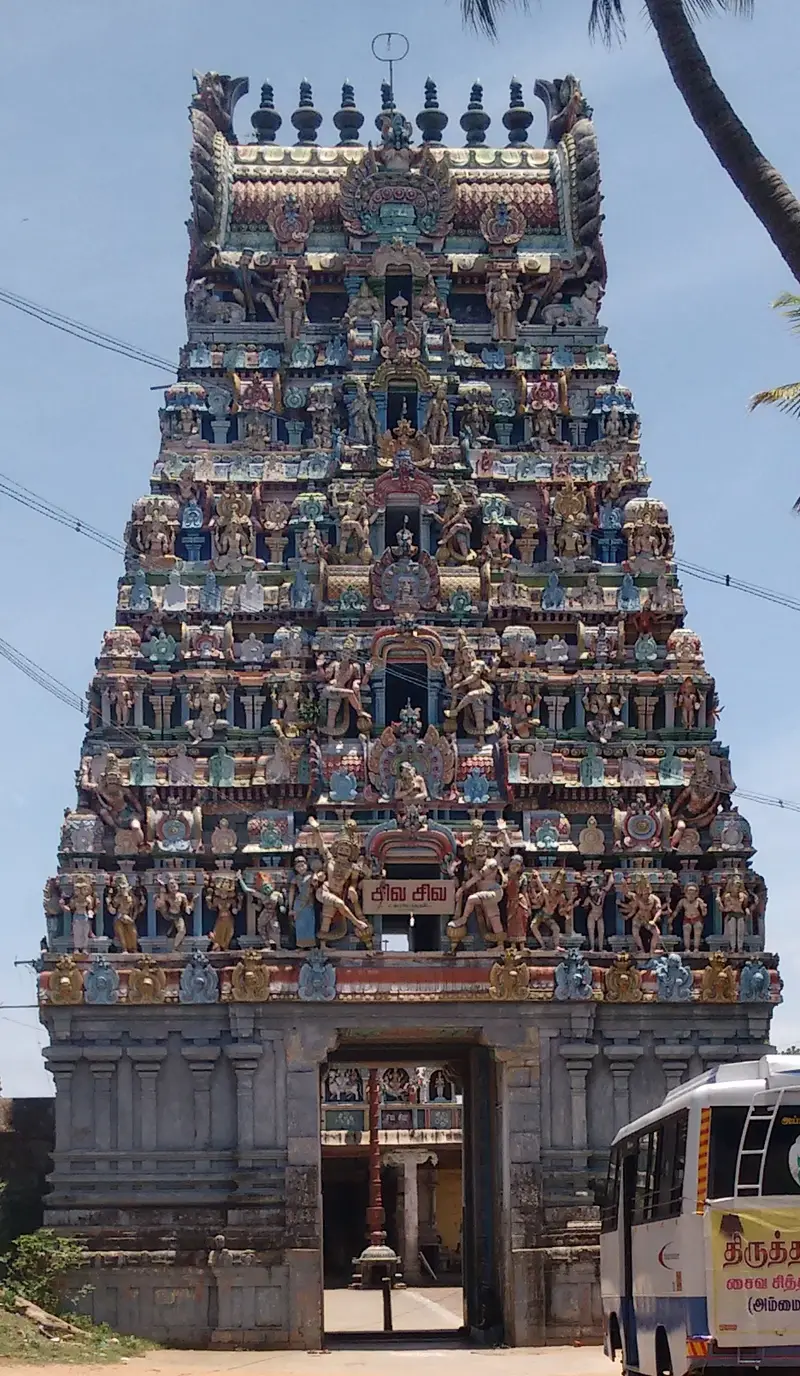
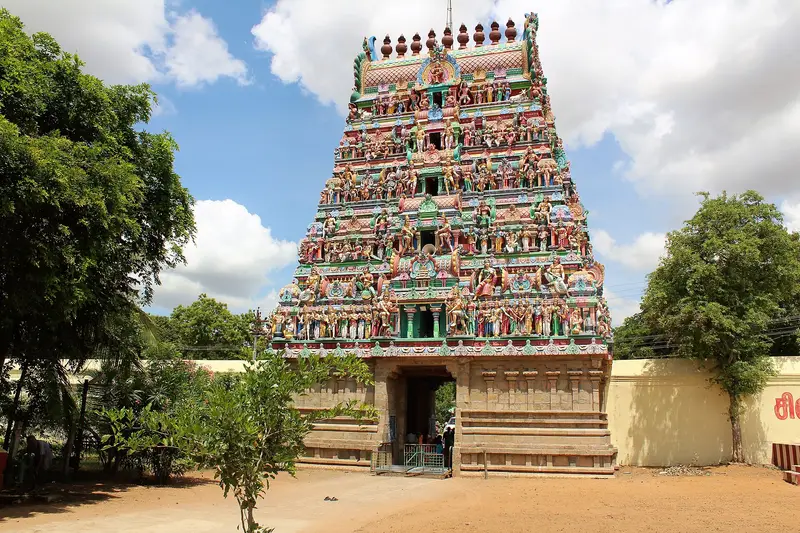
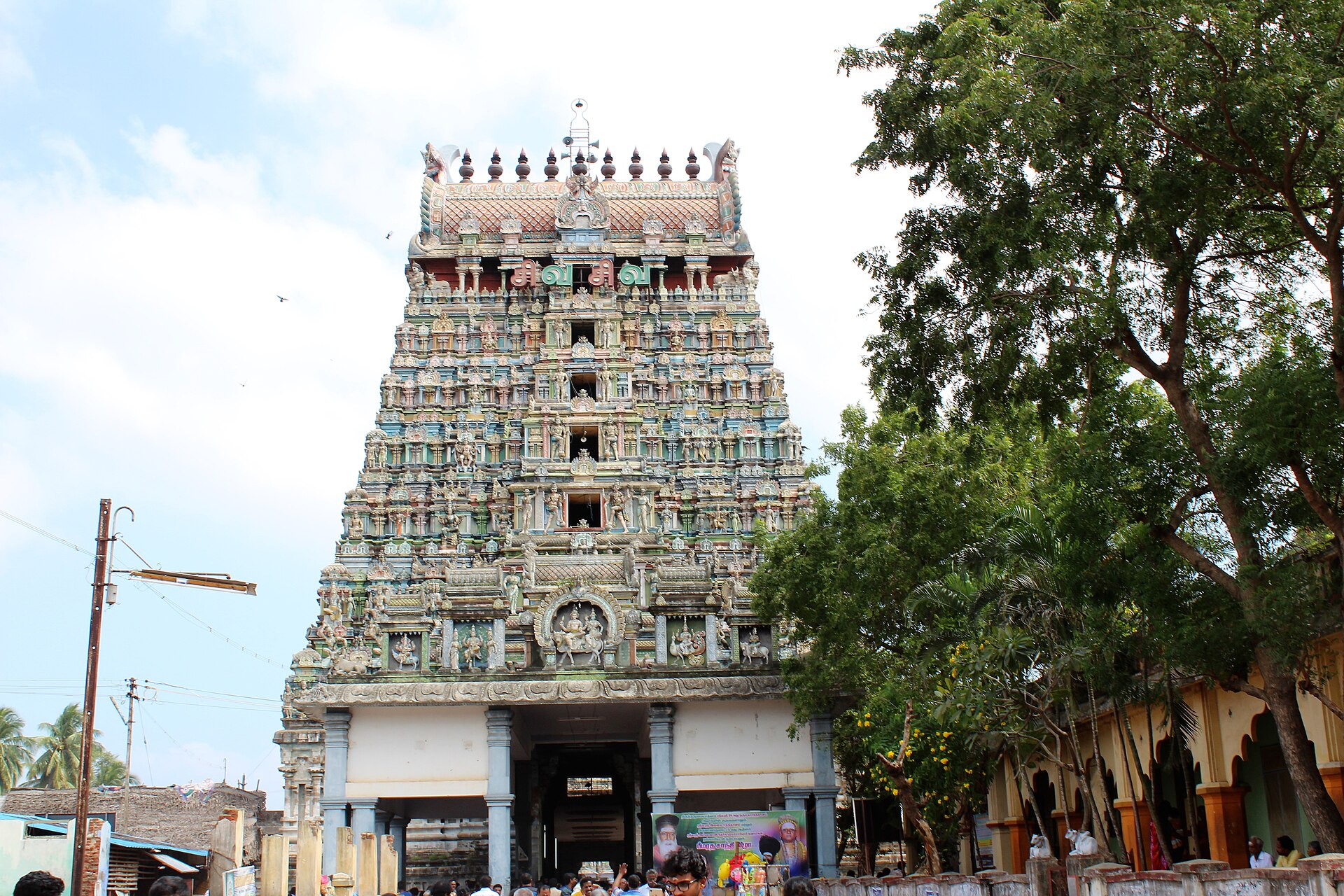
Naganathaswamy Temple, Keezhaperumpallam
Navagraha temple for Ketu at Keezhaperumpallam near Poompuhar, where Shiva is worshipped as Naganathar
Mayiladuthurai
Sign in to save places and plan trips, day by day.
Sembiyankandiyur, in Mayiladuthurai district of Tamil Nadu, is an archaeological site. In early 2006 a school teacher, V. Shanmuganathan, found a polished Neolithic celt, a hand-held stone axe, engraved with four signs resembling the Indus script and dated to about 1500 BC. Iravatham Mahadevan saw it as strong evidence that Neolithic Tamil Nadu and the Indus Valley shared a Dravidian language, and because the stone was of peninsular origin it was not thought to have come from the north. Whether the Indus signs record a language at all is still disputed.
The find led the Archaeological Survey of India to dig here. Four trenches yielded bowls, dishes and urns, eight of them laid out in a pattern and three holding human bones, along with pots bearing thumbnail marks and graffiti of a fish, a damaru, the sun, a star and a swastika. In 2008 megalithic pottery turned up with a paired arrow mark like one in the Indus script.
Unmapia
Coming soon
We’re still writing about Sembiyankandiyur: its history, what’s there and why it’s worth the trip.
Where it is
11.09° N 79.85° E