
 Historical Place
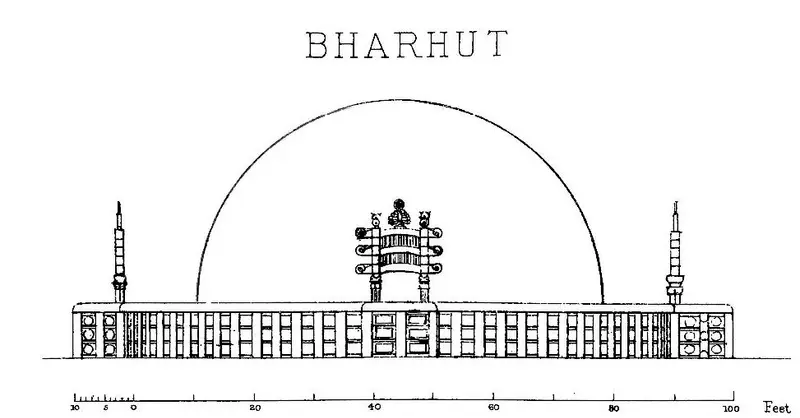
Bharhut Buddhist archaeological heritage
Bharhut’s sculptural legacy connects the region to early Buddhist art.
Offbeat · Satna
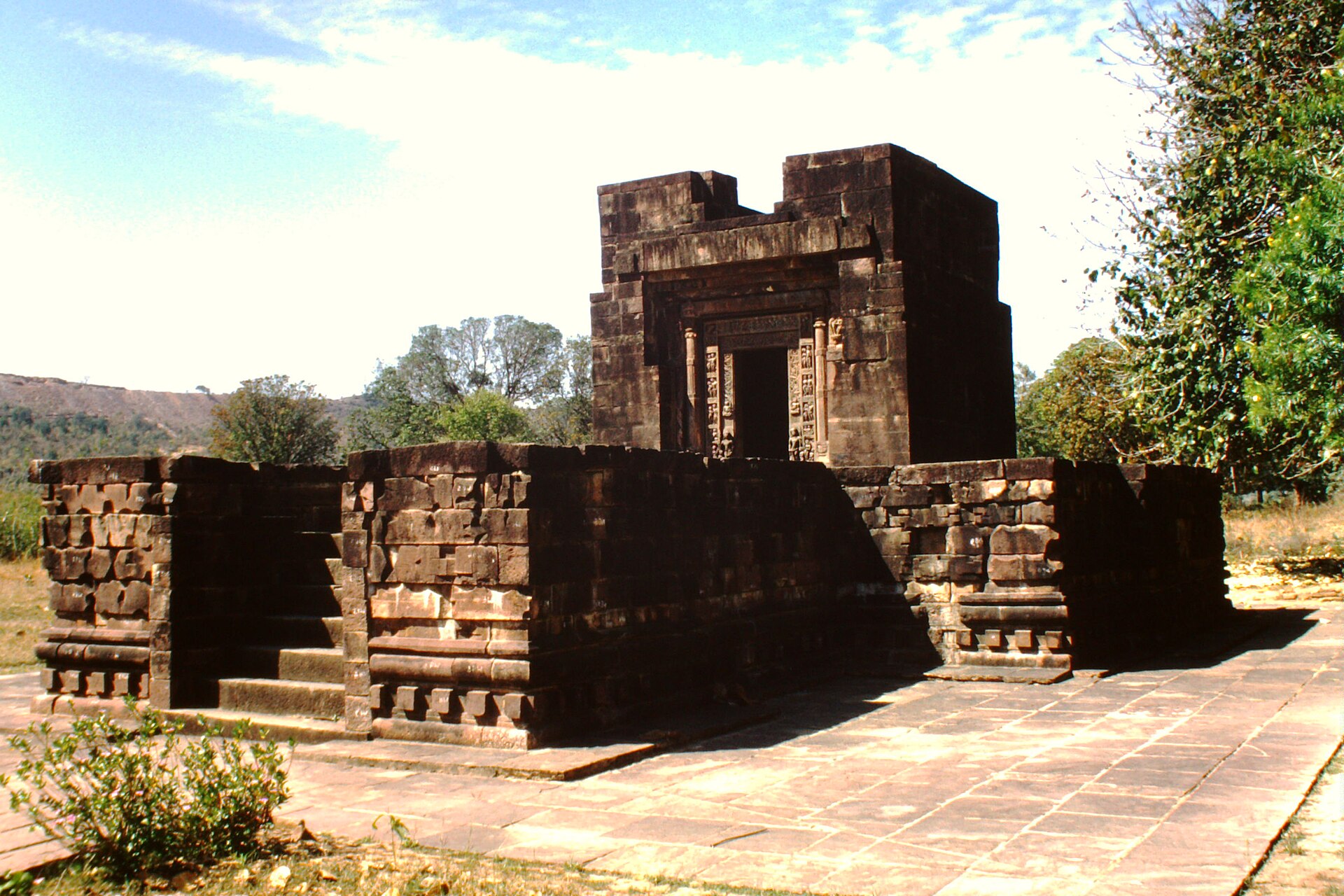
Photo: ArnoldBetten · Public domain · Wikimedia Commons
Sign in to save places and plan trips, day by day.
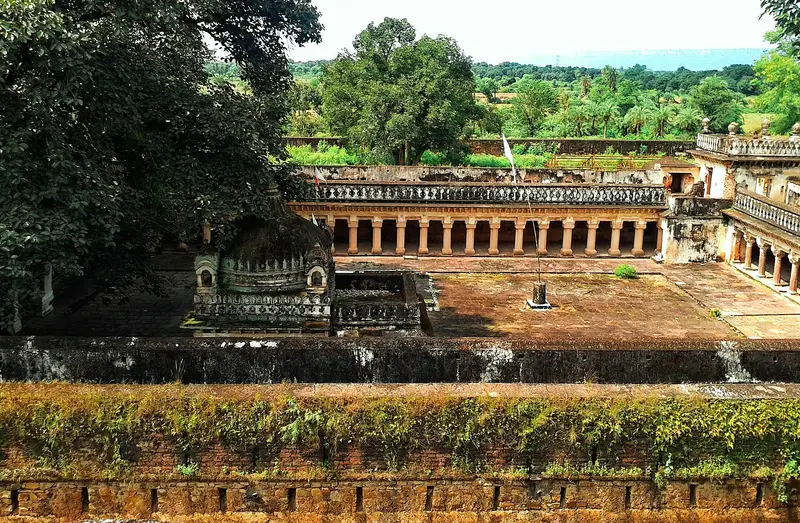
The Nachna temples, also called Nachna-Kuthara, stand near Saleha village in Panna district, in Vindhya forest at the mouth of a difficult valley, about 100 kilometres south-east of Khajuraho. Along with those at Bhumara and Deogarh, they rank among central India's oldest surviving stone temples. Some are dated by style to the Gupta period of the 5th or 6th century, while the Chaturmukha temple is from the 9th. Two nearby rock inscriptions of about 470–490 CE name Vyaghradeva, a vassal of the Vakataka king Prithvisena. Alexander Cunningham published the site in 1885.
Most of the temples are in ruins. The best preserved, the Parvati temple, rises from a raised, moulded plinth, with a square sanctum ringed by a passage lit through pierced stone windows and an upper storey that collapsed after Cunningham's visit and was rebuilt. Ganga and Yamuna flank the sanctum door, and the friezes include some of the earliest known stone scenes from the Ramayana. The site is now a pilgrimage place known as Chaumukhnath.
Unmapia
Coming soon
We’re still writing about Nachna Hindu Temples: its history, what’s there and why it’s worth the trip.
Where it is
24.40° N 80.45° E