
 Historical Place
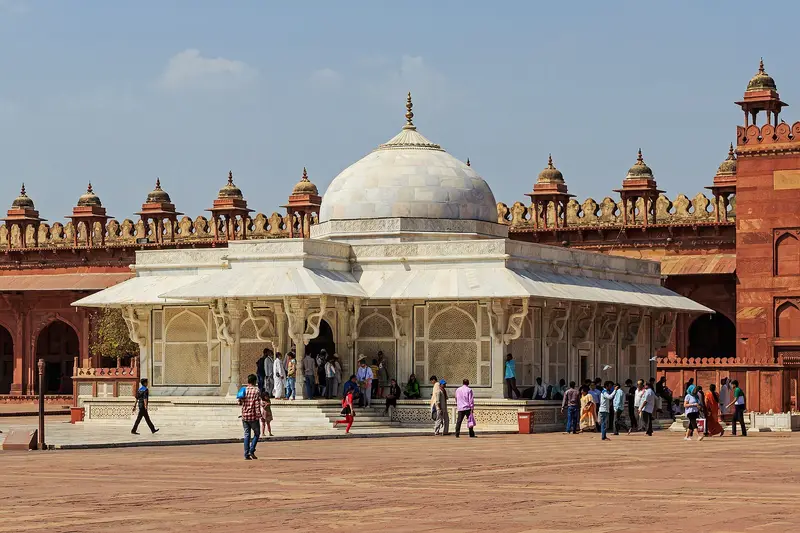
Tomb of Salim Chishti
White marble tomb of the Sufi saint in Fatehpur Sikri's mosque courtyard, wrapped in carved screens
Agra
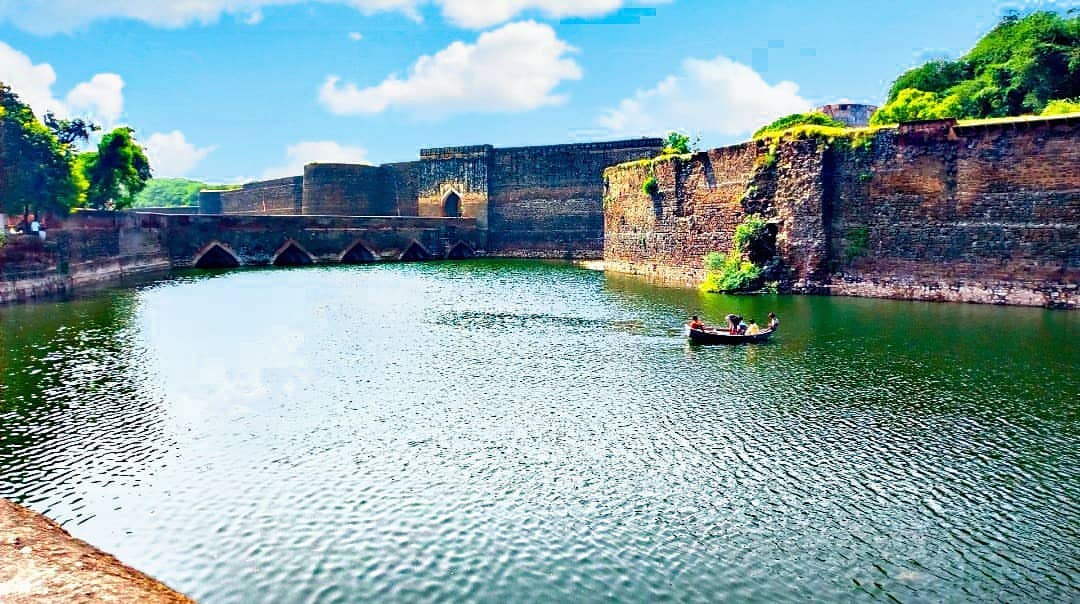
Photo: Sainiikshank1410 · CC BY-SA 4.0 · Wikimedia Commons
Sign in to save places and plan trips, day by day.
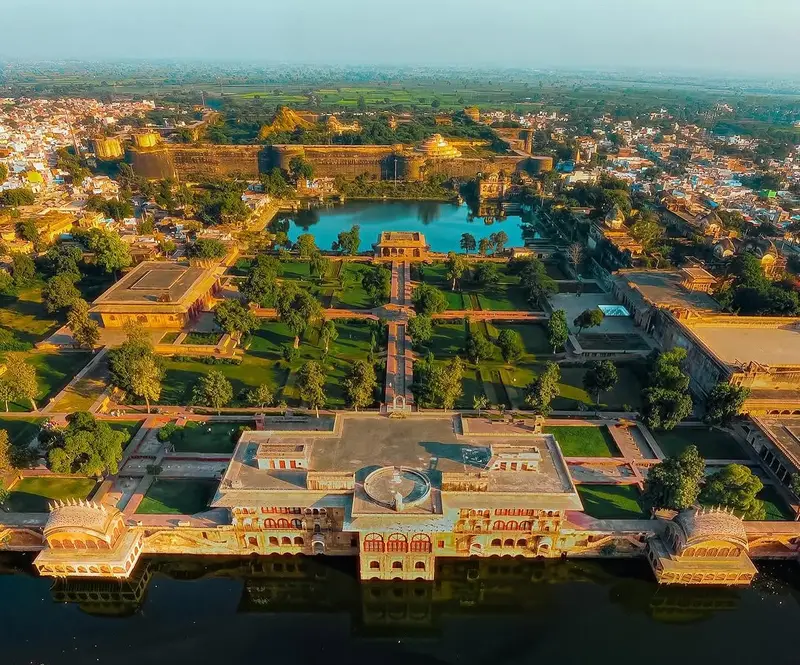
Lohagarh, the Iron Fort, was commissioned by Maharaja Suraj Mal in Bharatpur in 1732. It earned its name in early 1805, when British forces under Lord Lake besieged it and failed in four attempts to storm it. Its reputation as impregnable lasted until 18 January 1826, when the East India Company under Lord Combermere finally broke in after a siege that began the month before, after which Bharatpur became a princely state under British control.
The fort has two gates: the Ashtadhatu, or eight-metal, gate on the north and the Chowburja, or four-pillared, gate on the south. Inside are the Kishori Mahal, Mahal Khas and Kothi Khas. Maharaja Jawahar Singh built the Jawahar Burj in 1765 to mark his victory over the Mughals at Delhi, and it was used for coronations, while the Fateh Burj of 1805 celebrates the defeat of the British. A moat surrounds the walls.
Unmapia
Coming soon
We’re still writing about Lohagarh Fort: its history, what’s there and why it’s worth the trip.
Where it is
27.22° N 77.50° E