
 Historical Place
Motijhil
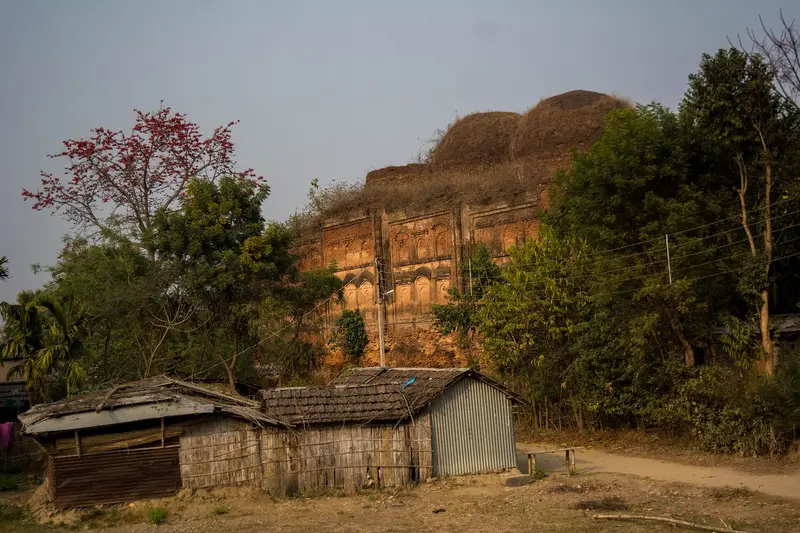
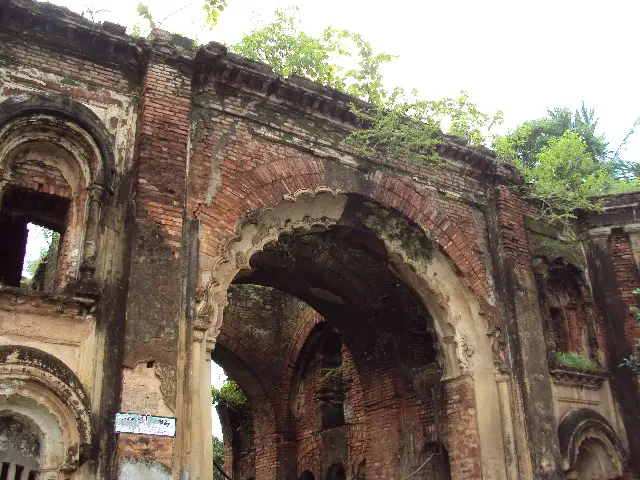
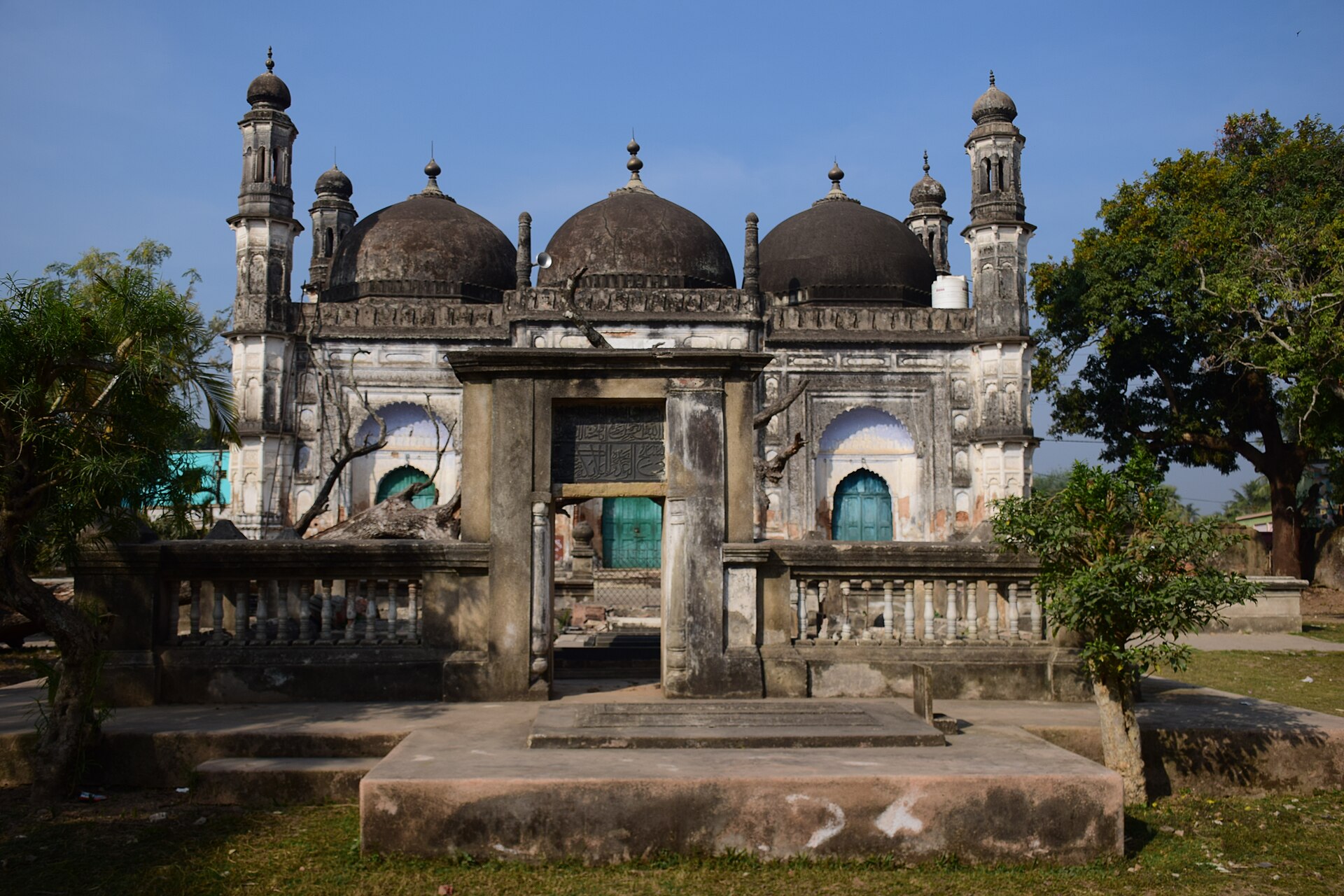
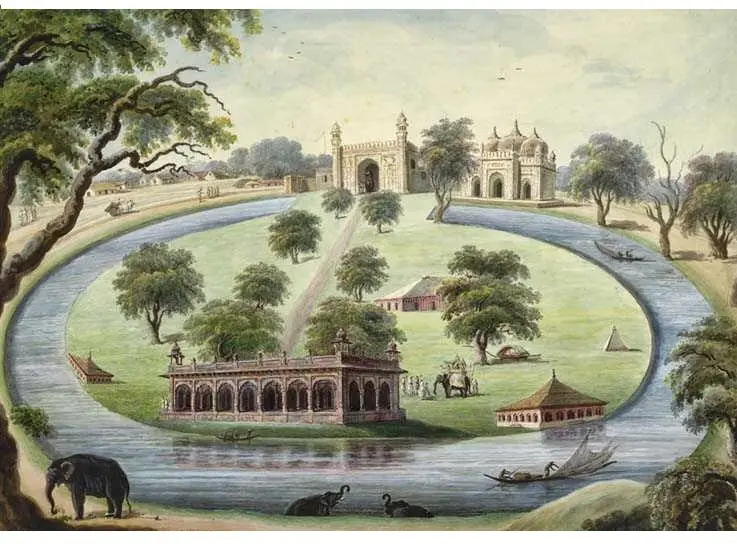
Horseshoe-shaped lake in Murshidabad dug by Nawazish Muhammad Khan, with a mosque, tombs and a ruined gateway
Murshidabad
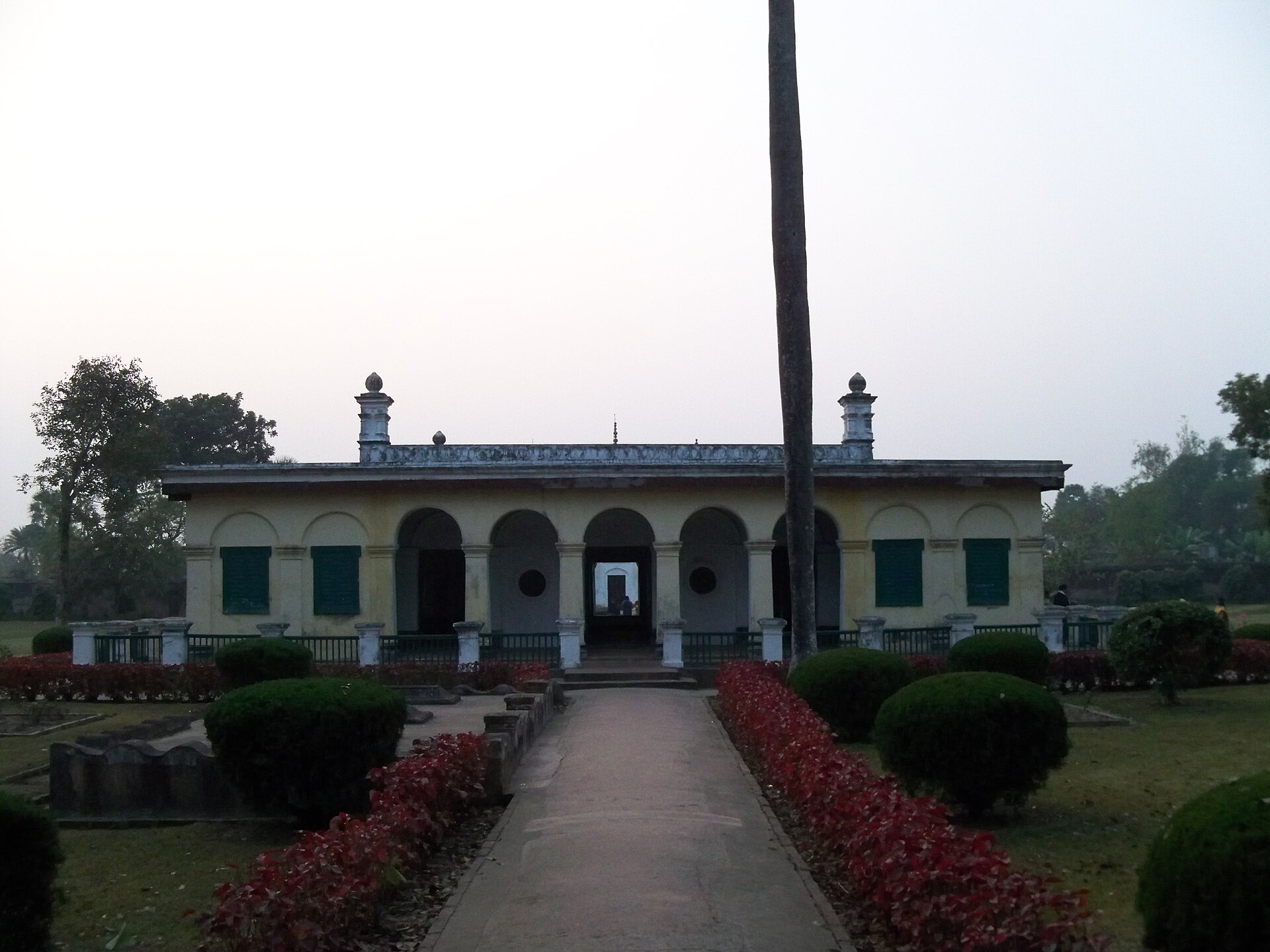
Photo: Sagnik0123456789 · CC BY-SA 3.0 · Wikimedia Commons
Sign in to save places and plan trips, day by day.
Khushbagh, whose name means 'Garden of Happiness', is a garden-cemetery of the Nawabs of Bengal on the west bank of the Hooghly in Murshidabad district. Nawab Alivardi Khan built it, and it holds the graves of the Nawabs of the Afshar line and their families, among them Alivardi Khan and his mother and Siraj ud-Daulah with his wife Lutf-un-nisa; the later Nawabs, from Mir Jafar on, lie at Jafarganj Cemetery.
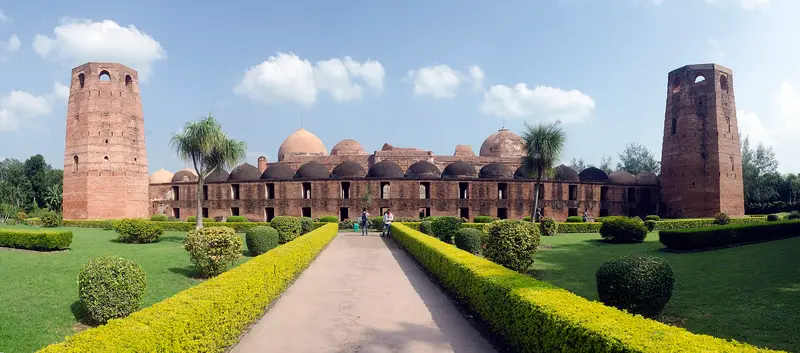
The 7.65-acre garden is enclosed by a wall 2,741 feet long, divided into walled enclosures whose outer walls once had musket loopholes and octagonal bastions. Siraj ud-Daulah and Alivardi Khan rest in a square, flat-roofed mausoleum ringed by an arcaded verandah, and Alivardi Khan also built a mosque here modelled on Delhi's Jama Masjid. After Siraj ud-Daulah's death following the Battle of Plassey in 1757, Lutf-un-nisa refused to enter Mir Jafar's harem; she is said to have later lived at Khushbagh for years, tending his grave and the garden's 108 kinds of roses, and was buried beside him in 1790.
Unmapia
Coming soon
We’re still writing about Khushbagh: its history, what’s there and why it’s worth the trip.
Where it is
24.16° N 88.26° E