
 Nature & Wildlife
Pulicat Lake birding areas
Bird sanctuary; temples; lakes
Famous · Thiruvallur
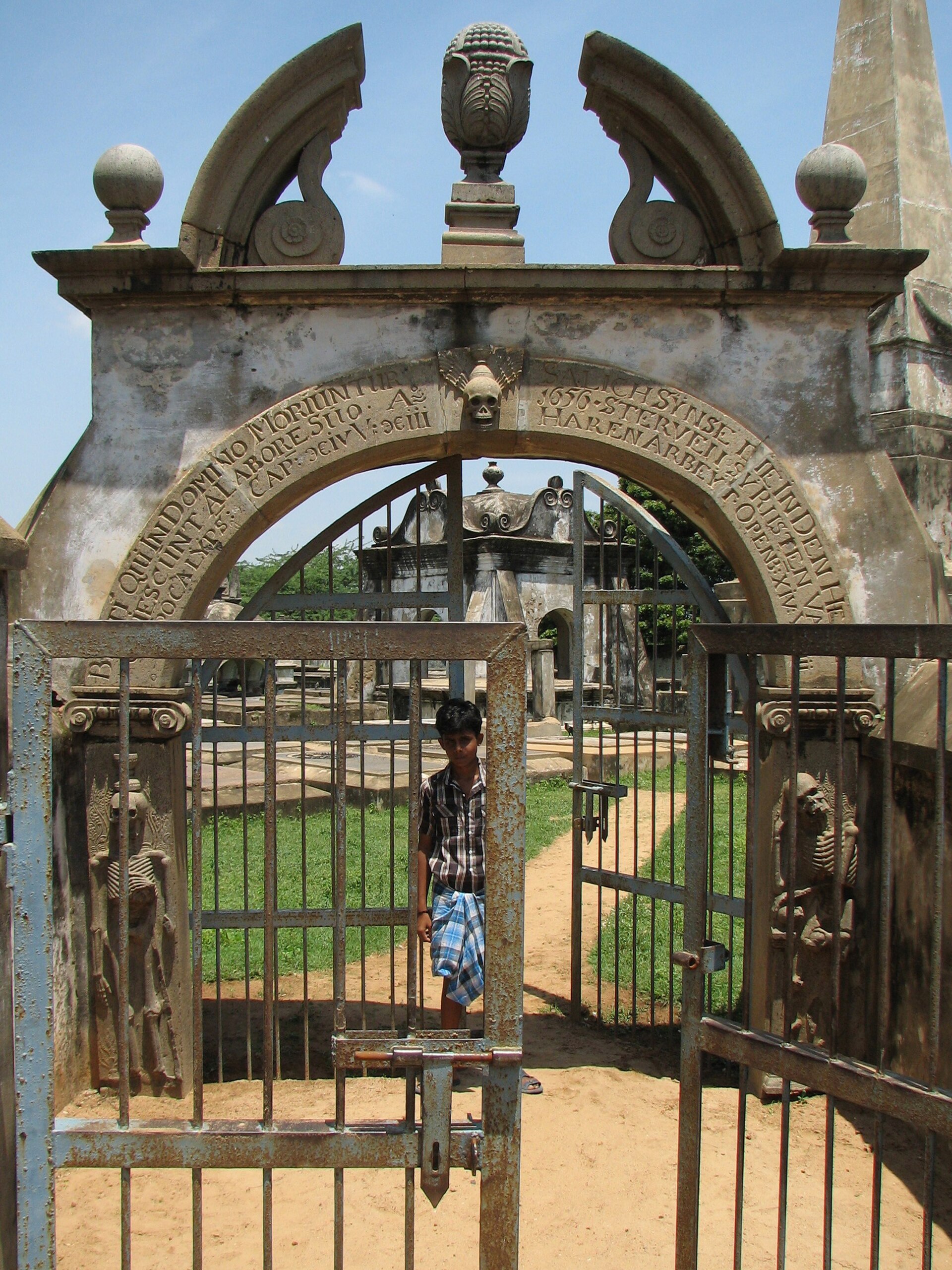
Photo: McKay Savage · CC BY 2.0 · Wikimedia Commons
Sign in to save places and plan trips, day by day.
Fort Geldria, on the shore of Pulicat Lake at Pulicat, went up in 1613 under the Dutch East India Company to house the first Dutch Republic settlement in India, and became the capital of Dutch Coromandel. It took its name from Geldria, home province of the company's director Wemmer van Berchem, and rose on the foundations of an earlier Portuguese fort with permission from Queen Oboyama, wife of the Vijayanagara emperor Venkatapati Raya. Unlike the company's other Indian posts, which were trading stations, it was a true fortification, usually held by 80 to 90 men.
The fort beat off a local chief and then the Portuguese soon after completion, and traded mainly in cotton cloth. The Dutch seat moved to Negapatnam by 1689, the fort was blown up in 1804 or 1805, and the British took formal ownership in 1825. The Archaeological Survey of India now maintains the site, which includes a cemetery in good condition with 76 tombstones that were carved in the Netherlands, and Dutch and Indian partners have drawn up restoration plans.
Unmapia
Coming soon
We’re still writing about Fort Geldria, Pulicat: its history, what’s there and why it’s worth the trip.
Where it is
13.42° N 80.32° E