
 Spiritual Place
Mahavinayak Temple
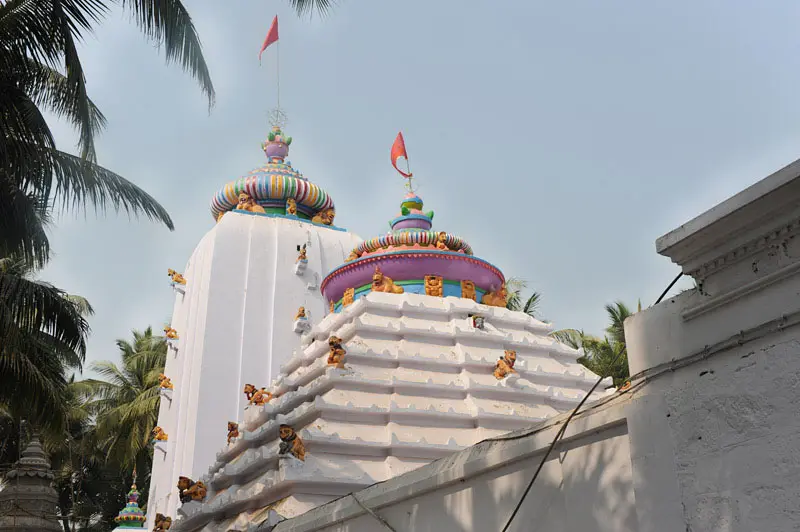
12th-century Chandikhole shrine where Ganesha, Shiva, Vishnu, Durga and Surya are worshipped as one deity
Jajpur
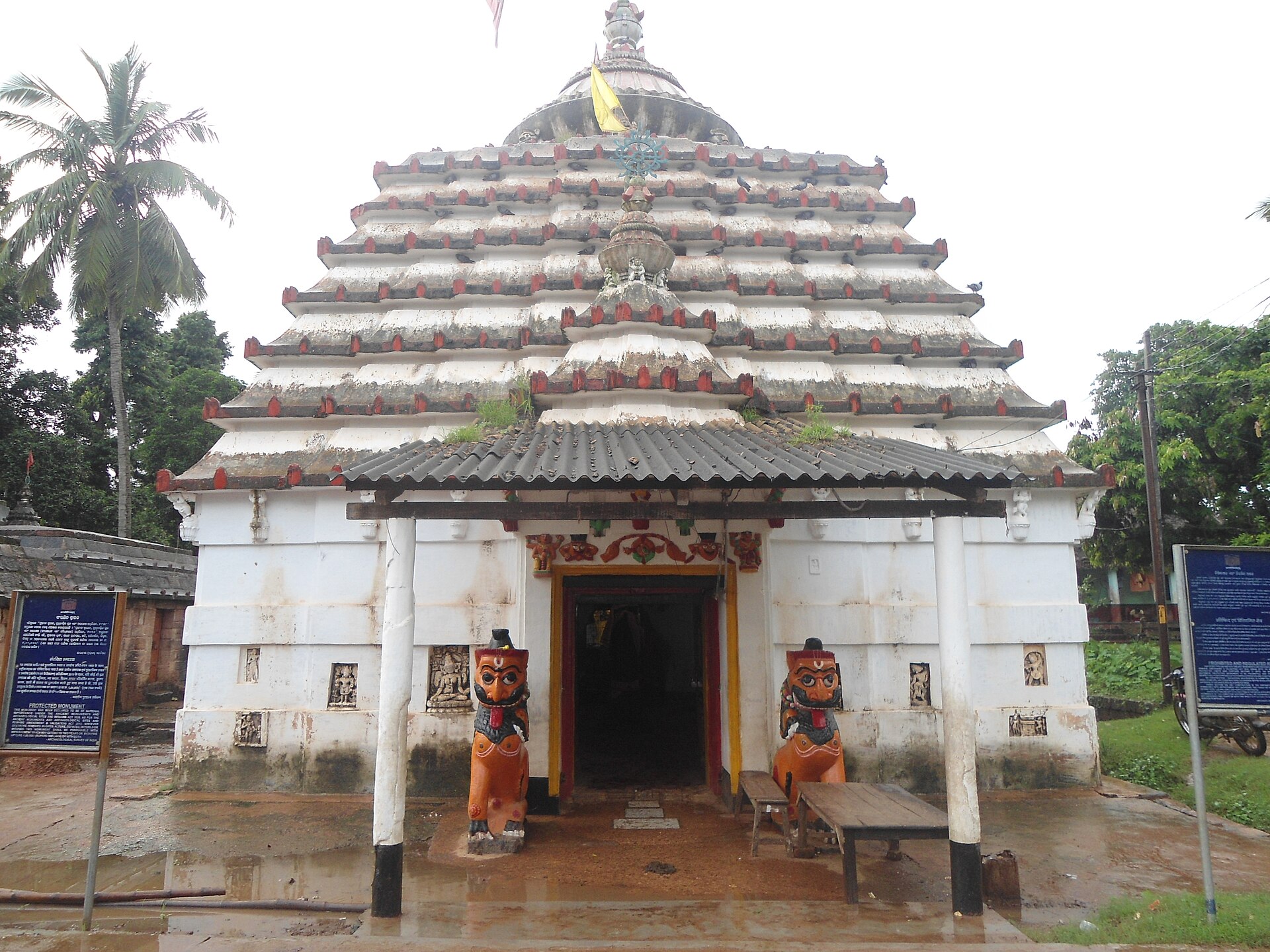
Photo: Rajku6070 · CC BY-SA 3.0 · Wikimedia Commons
Sign in to save places and plan trips, day by day.
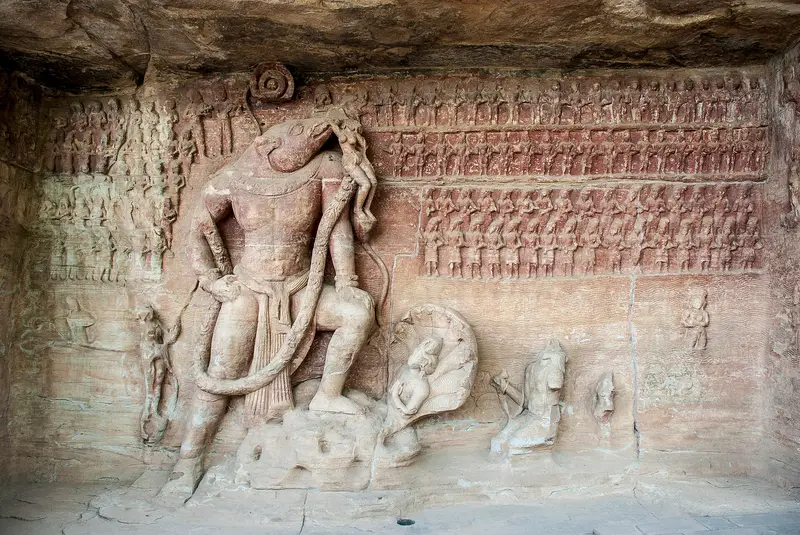
The Varahanatha Temple, also called the Yajna Varaha Temple, stands on an island formed by two branches of the Vaitarani River at Jajpur, about 1 km from the bus station and opposite Dasaswamedha ghat. Its main shrine honours Varaha, the boar avatar of Vishnu, worshipped here as the white Shveta Varaha. Legend holds that Vishnu rose as Varaha from the fire of Brahma's sacrifice bearing the stolen Vedas, and that the town took its name from that yajna. The temple dates from the 15th–16th century under the Suryavamshi Gajapatis, with the Madala Panji crediting Prataparudra Deva; Chaitanya visited in 1510, and Raghoji I Bhonsle later renovated it.
Built in the Kalinga style of Khandolite stone, plastered and limewashed, the 22 m temple has a rekha vimana, an antarala and a pidha jagamohana. The sanctum holds two Varaha images, a Lakshmi and a wooden Jagannath, and the walls carry amorous couples, musicians and deities such as Prajnaparamita, Narasimha and Kalyanasundara. The ASI protects the complex.
Unmapia
Coming soon
We’re still writing about Varahanatha Temple, Jajpur: its history, what’s there and why it’s worth the trip.
Where it is
20.86° N 86.09° E