
 Spiritual Place
Siddheshwar Mandir, Palari
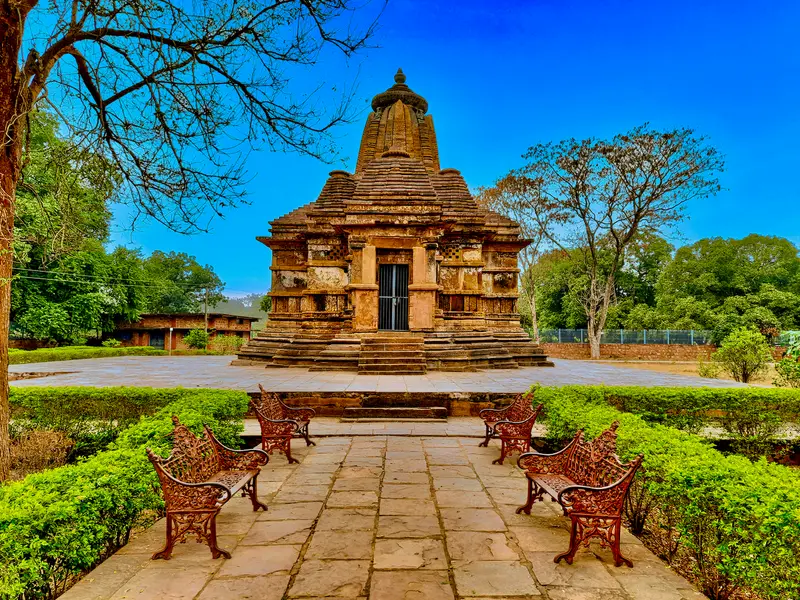
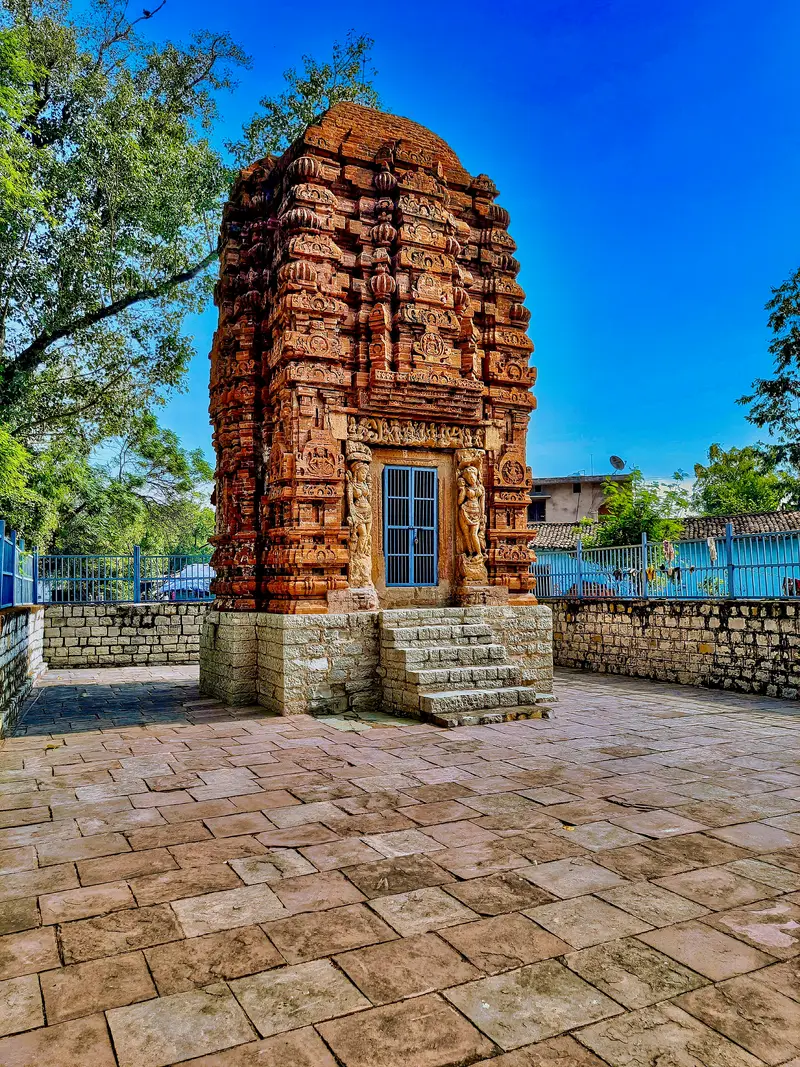
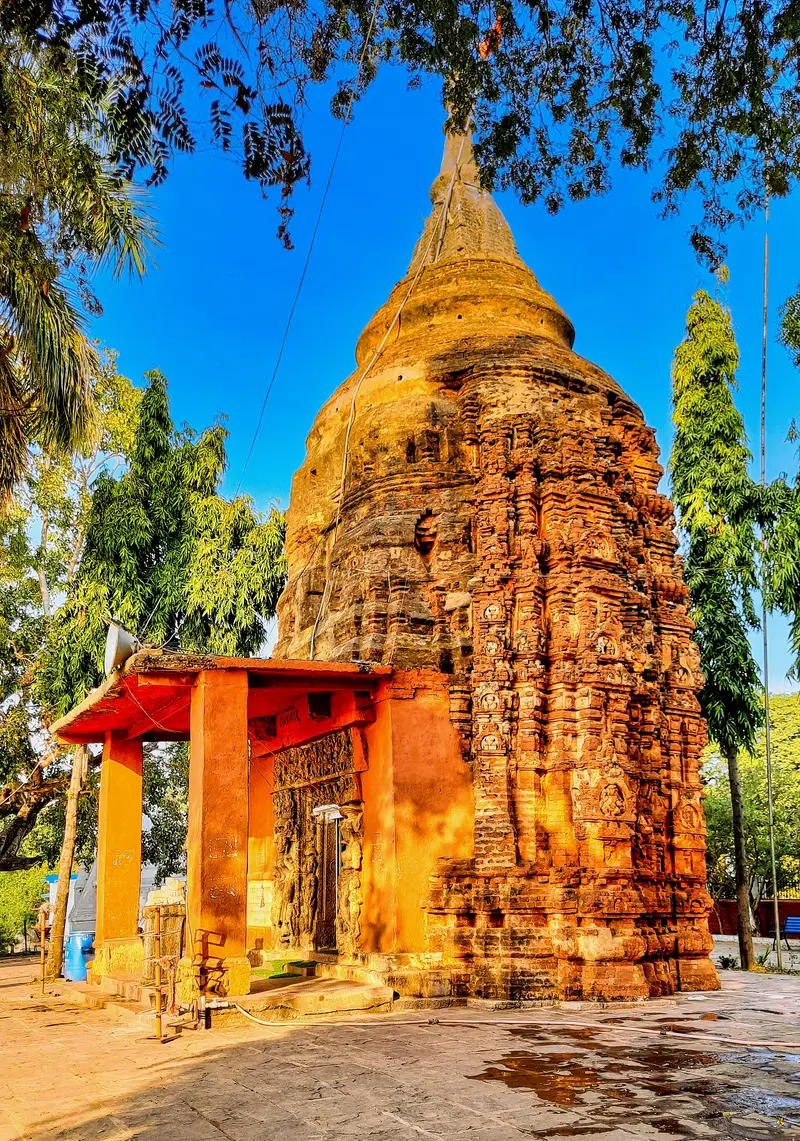
Mid-7th-century brick temple at Palari with a star-shaped plan and a richly carved stone doorway
Baloda Bazar
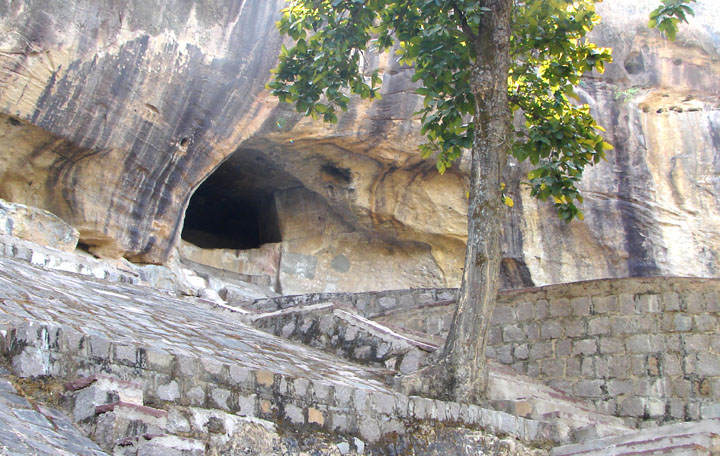
Photo: Biospeleologist · CC BY-SA 4.0 · Wikimedia Commons
Sign in to save places and plan trips, day by day.
The Sitabenga and Jogimara caves sit on the north side of the Ramgarh hills, near Puta village in Surguja district, Chhattisgarh, about 45 km south-west of Ambikapur. Partly natural and partly cut, they date from between the 3rd and 1st centuries BCE. Unlike other early caves in India they carry no Buddhist or Jain symbols; their Brahmi inscriptions, in the Magadhi language, are poetic, and Jogimara holds painted frescoes counted among the oldest in Asia. Local tradition links the hills to Rama, Sita and Lakshmana at the start of their exile.
From the Ram Janaki temple, a paved, marked trail leads west past a seasonal waterfall and a lake. Sitabenga, roughly 46 by 24 feet, has rows of rock-cut benches in front; many scholars see it as the subcontinent's oldest known performance stage, others as a travellers' rest house. Jogimara, with viewing platforms for visitors, bears a disputed inscription that contains the earliest known use of the word devadasi.
Unmapia
Coming soon
We’re still writing about Jogimara and Sitabenga Caves, Ramgarh: its history, what’s there and why it’s worth the trip.
Where it is
22.90° N 82.93° E