
 Historical Place
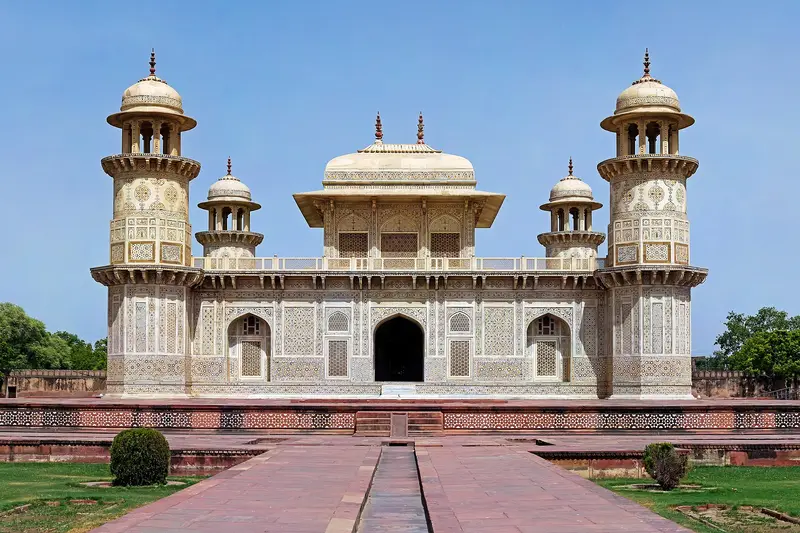
Itimad-ud-Daulah's Tomb
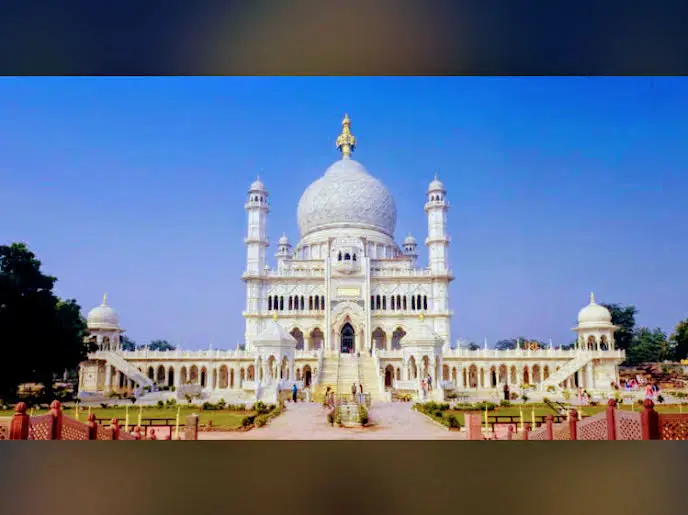
White marble Mughal tomb on the Yamuna, called the Baby Taj, with fine stone inlay
Agra
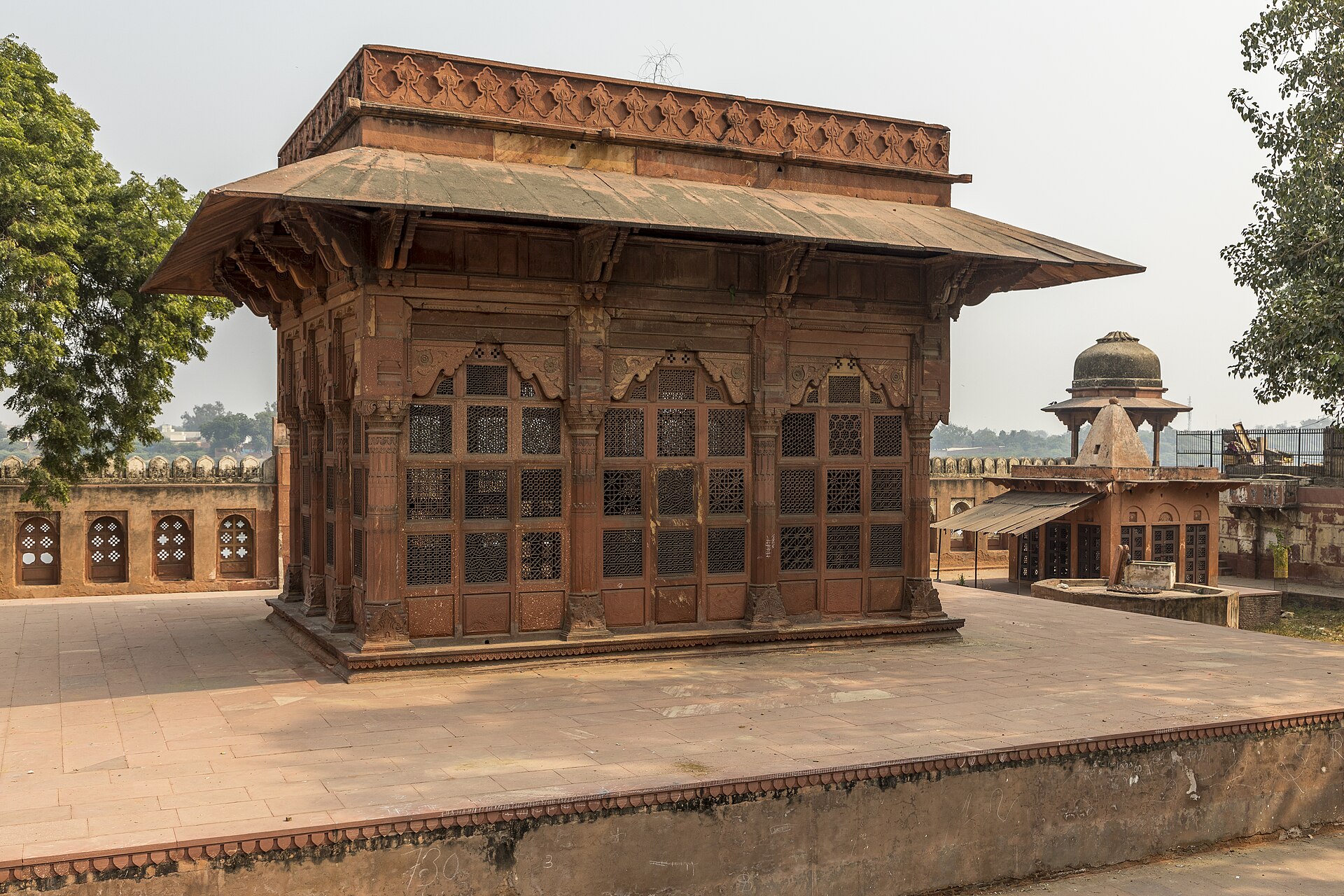
Photo: DeepanjanGhosh · CC BY-SA 4.0 · Wikimedia Commons
Sign in to save places and plan trips, day by day.
Jaswant Ki Chhatri stands in Rajwara, Balkeshwar, on the banks of the Yamuna in Agra, and is protected by the Archaeological Survey of India as a monument of national importance. Raja Jaswant Singh Rathore built it between about 1644 and 1658 for Rani Hada, a Bundi princess married to his elder brother Amar Singh Rathore. Amar Singh was killed at Agra Fort on 25 July 1644, and his widow committed sati when his body was handed to her.
The cenotaph is a square pavilion of finely dressed red sandstone on a raised plinth, enclosed by a low wall. Open stone jali screens in geometric and floral designs frame its main chamber on all four sides. On the river side, the enclosure wall carries relief panels of long-necked surai vessels within floral wreaths. Doors and windows have folding leaves cut from single stones that turn on mortise-and-tenon pivots, and under the pavilion a shallow tank with corner steps once served for ritual washing and cooling.
Unmapia
Coming soon
We’re still writing about Jaswant Ki Chhatri: its history, what’s there and why it’s worth the trip.
Where it is
27.21° N 78.03° E